Back in 2013 when I started this blog (has it been that long?), I did so because I needed to get faster and better at recording WSET tasting notes in anticipation of Diploma exams.
My theory at the time was that if I promised myself I would write a proper tasting note about each new wine I tried, I would ‘keep myself honest’ and not overdrink.
Well, you can see how THAT turned out – basically, it turned into a stiff margarita every day about 5pm.
Whatever… I still love finding new wines but I confess, I fall behind on the posts.
No one notices this but me (and maybe you, Dear Reader, because if you’re still reading…) With that, here are some tasting notes about some cool wines I’ve tried lately.
Nebbiolo, Elio Grasso, Barolo DOCG, Gavarini Chiniera, Monforte d’Alba, Italy, 14.5% abv., 2019
Translucent cherry colour , dusty roses and bright red cherry on the nose, with a palate of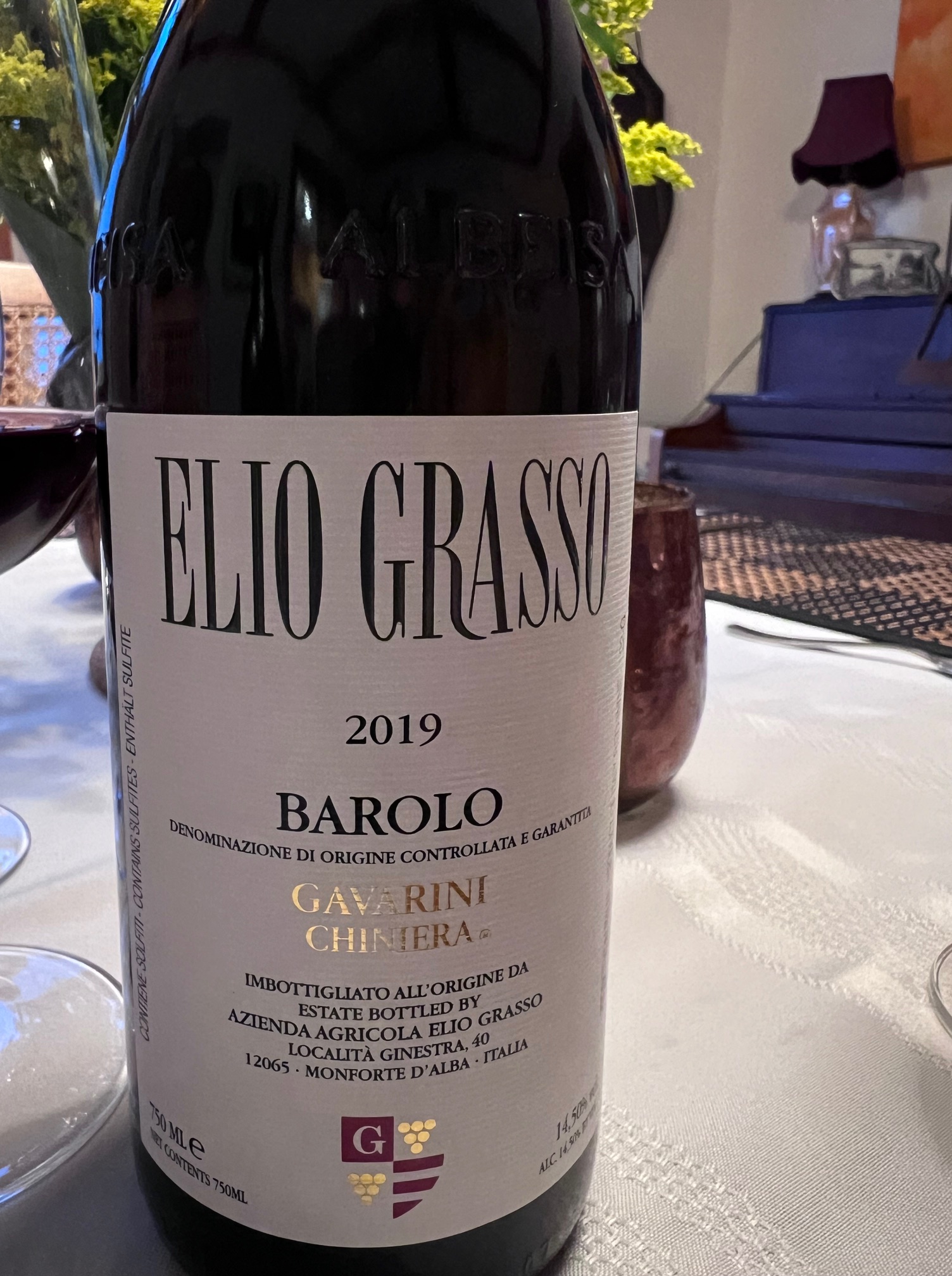 boysenberry, black pepper and red flower. Absolutely magical. Purchased in Seattle, I enjoyed sharing this with FH and SL in Vancouver.
Sangiovese, Ricasoli, Chianti Classico Riserva DOCG, Rocca Guicciardo, Gaiole in Chianti, Tuscany, Italy, 2019, C$38
 Translucent garnet with a nose of cherry, pomegranate, rose and sandalwood, bolstered by blackberry, Byng cherry, fern, mint and oak on the palate. Beautifully clean and delicious. I’d visited Ricasoli in summer 2022, but hadn’t had time to taste. This was one of the best Mother’s Day gifts I’ve ever received from JN and AN.
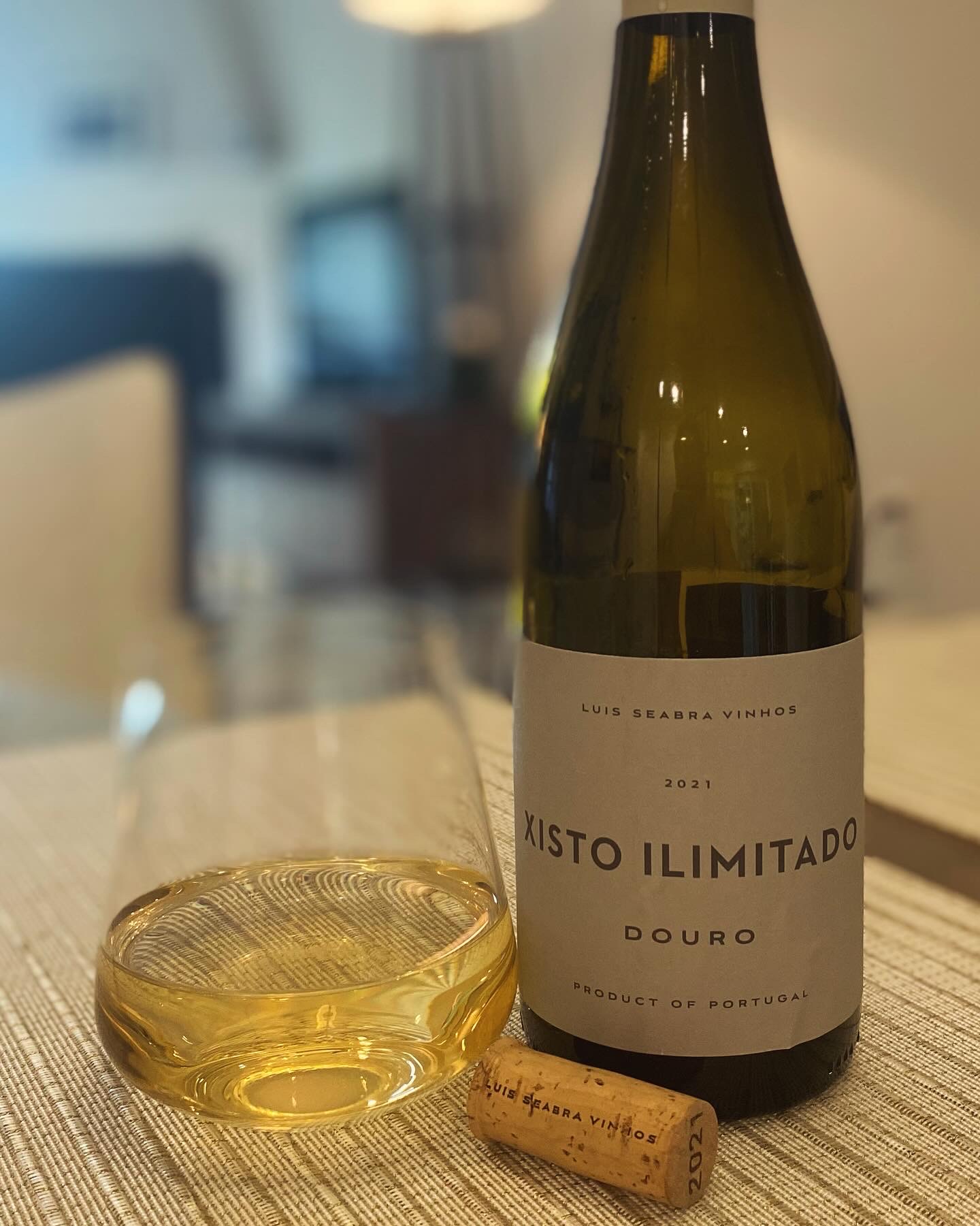
Chenin Blanc, Le Mont Sec 2012, Domaine Huet, Vouvray AOC, Loire Valley, France, 13% abv., 2012, C$70
 A beautiful translucent deep shade of coppery tangerine showing some significant development as it has been curled up in a bottle for 12 years. The nose is strong straw with herbs and honeysuckle. The look of it tricks you into thinking it’s an unctuous sweet wine, but it’s not at all – lemon, both green and overripe tangerine and mandarin orange, fresh apricot, wax, quince, cinnamon, dried herbs and nettle. After some time, it opens further and continues to be even more incredible. The acidity is super tight, proving that this wine could still go for another decade, if not more. Outrageously elegant and fabulous – and the perfect match to FH’s onion tarte.
Mondeuse Arbin, Domaine Fabien Trosset, Vin de Savoie AOP, France, 12% abv., 2017, 375 ml
 This wine was a true stunner, and not so much a surprise as I fully expected it to be super cool, being from Savoie and all. LN brought this back for me from France and it didn’t disappoint! A partially translucent cherry red, the nose is full on intense herbal tea, blue and purple fruit. The palate is deep blackberry and dusky deep plum. It’s super fresh and with these tannins, could go much longer. An absolute treat.
Savagnin, Les Pieds Sur Terre, Valentin Morel Vigneron, Cotes du Jura AC, France, 13.5% abv., 2020, 35 Euros
I bought this cool bottle at Jake restaurant in Aix-en-Provence. This is the colour of hazy, unfiltered apple cider with a shot of tangerine. The nose, while muted at first, opens up to all white flowers, daisy and honeysuckle. The palate is super funky composted yellow apple, baked lemon curd, fig, quince and honeycomb with some great acidity. Yeh, I drank the whole thing.
L’Abricot du Roulot Apricot Liqueur, Domaine Jean-Marc Roulot, Meursault, Cote de Beaune, Burgundy, France, NV, 25% abv., US$135
For dessert at Ma Cuisine in Beaune, Burgundy (their sister resto in Singapore has Michelin stars), I asked for some of this famous spirit. Jean- Marc Roulot makes it from handpicked Bergeron apricots which are grown by one of the world’s most famous winemakers for him – Jean Louis Chave. The result is a mind-blowing shot of mandarin orange and Tang crystals with orange jello, honey, apricot, cinnamon and mint. Not cloying in the least. Unbelievable.
Gewurztraminer, Mother of Melancholy, Ursa Major Winery, Sagebrook Vineyard and Black Sage Ranch, Oliver, Okanagan Valley VQA, BC, Canada, 12.5% abv., 2022, C$40
Unfined, unfiltered and aged on the lees for 8 months, lemon on the eyes, and a nutty oxidized nose with walnuts, citrus and yellow plum. The palate is pink grapefruit, ginger blossom, rosehip, bergamot, lemon curd, and composted yellow apple. I guarantee you, this is nothing like any Gew you’ve ever tried before. I love the wines this couple makes.
Pigato, Laura Aschero Wines, Pigato DOC, Liguria, Italy, 2022
 I enjoyed this half bottle at Restaurant Primula in Camogli, Liguria with a dish of calamari, chick peas and passion fruit. The wine was the accompanying piece de resistance – intense yellow fruit, ripe peach, almonds, nettle and acacia. The fact that I spent 3 weeks in France and Italy, and included a note about this white wine should tell you something.
Riesling, Tantalus, Okanagan Valley, BC, Canada, 2014
 On an afternoon when my sister and I were commiserating, I pulled this one out of the cellar where I’d left it for a decade. The result? To-die-for Cosmic Crisp apple, ripe Bartlett pear, clover honey, quince, and composted yellow plum on both the nose and palate. The lightest whiff of gasoline hovers over the glass. Super acidity and beautiful fruit have helped this wine blossom into a thing of beauty. The medium plus body is almost unctuous. Don’t let anyone ever suggest that Okanagan VQA wines cannot age.
 When we were deciding where to go on our European adventure, I pushed hard for Corsica. I’d wanted to go there ever since taking the WSET Diploma ‘Light Wines of the World’ course.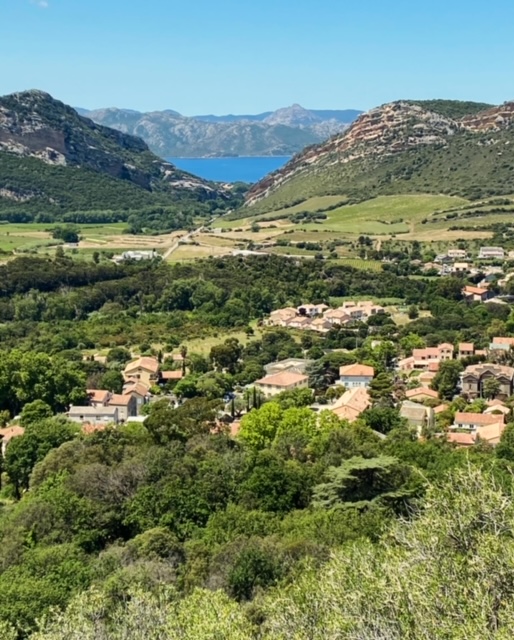
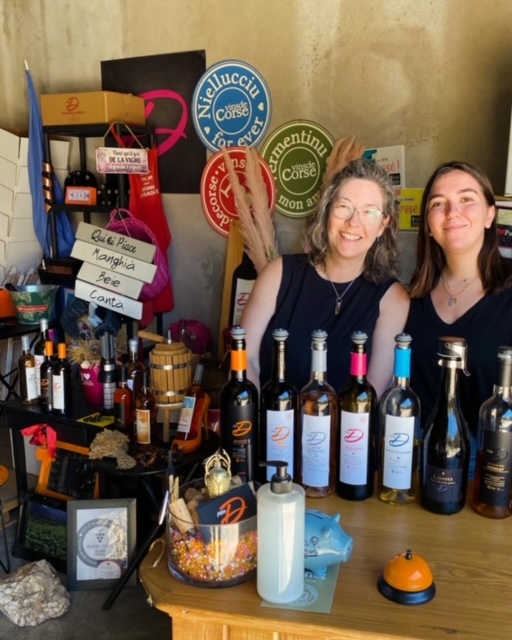
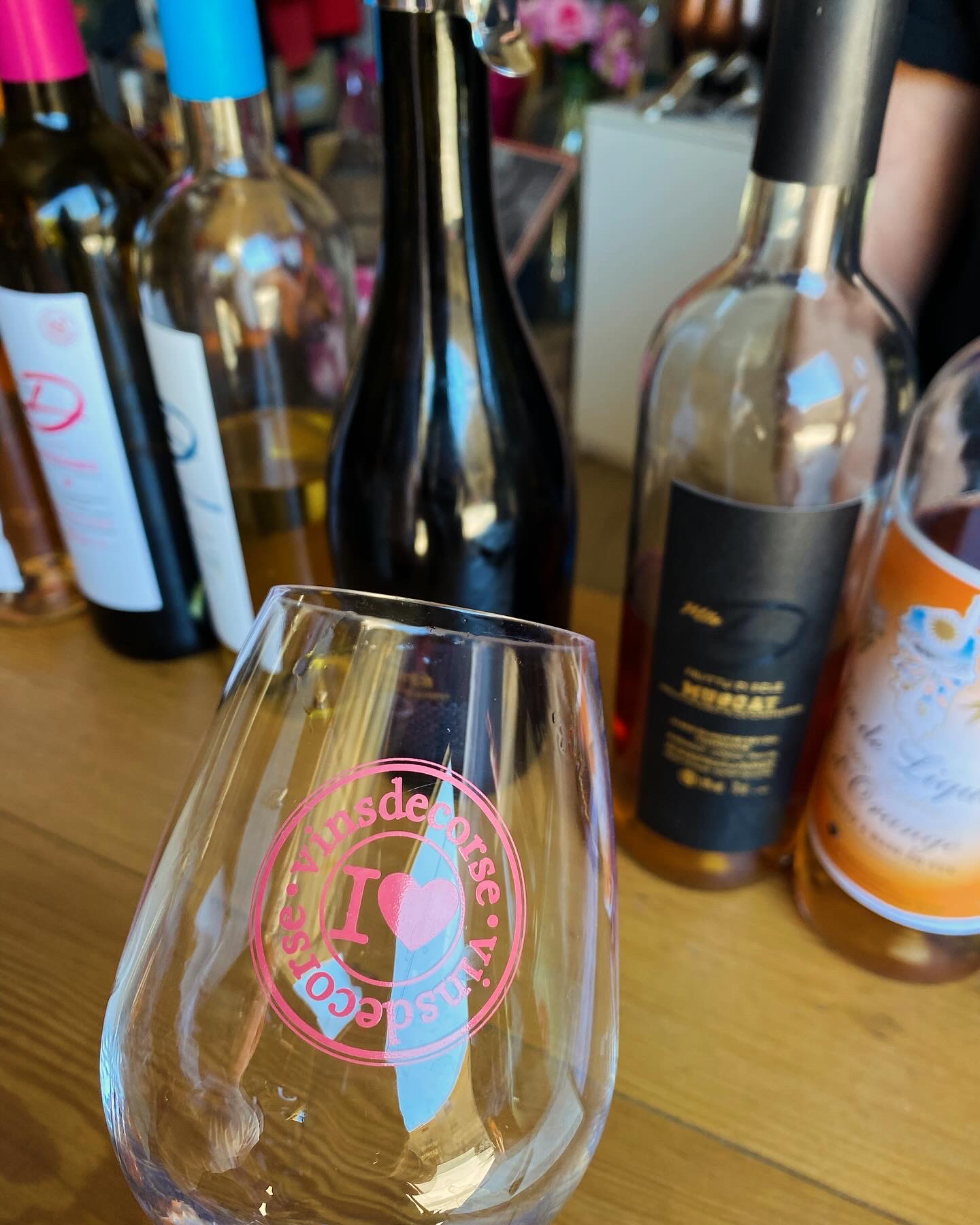 Anaïs guided me through an extensive tasting starting with a dry and pretty pétillant called Liberta, and ending with the 16% Mlle. D Muscat à Petit Grains digestif. A 15% Corsican Orange Liqueur was also featured – all tangerine pith and simply delicious.
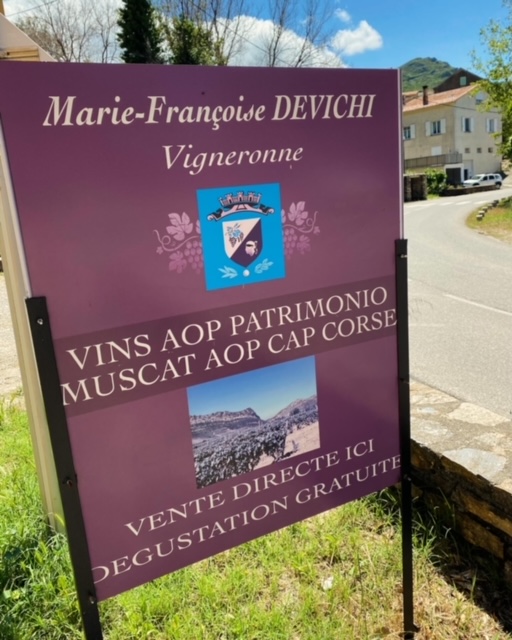 light, 13.5% abv, clean and no reduction to speak of. Hand harvesting and careful pressing is their hallmark, and it shows in the quality of the wines.
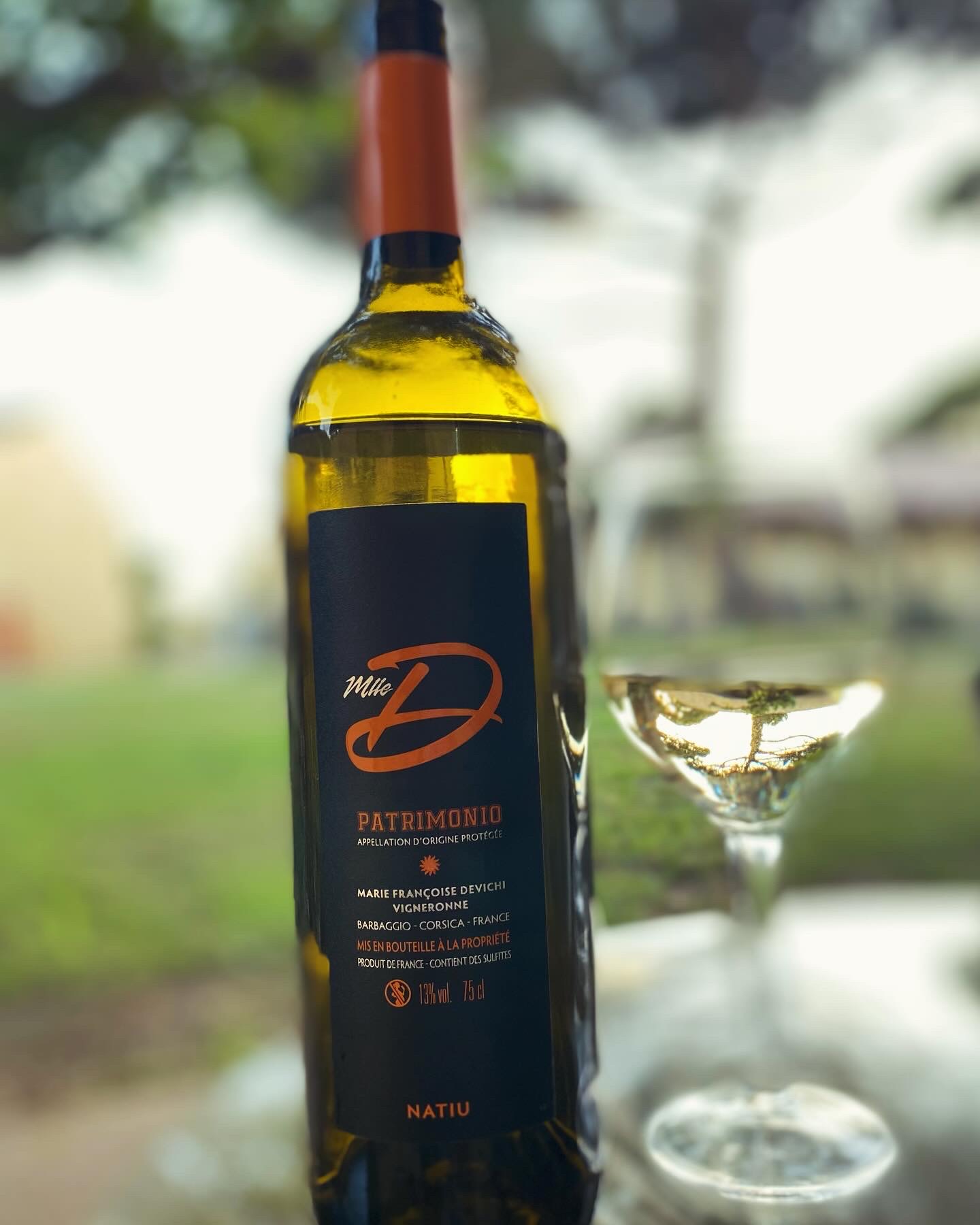
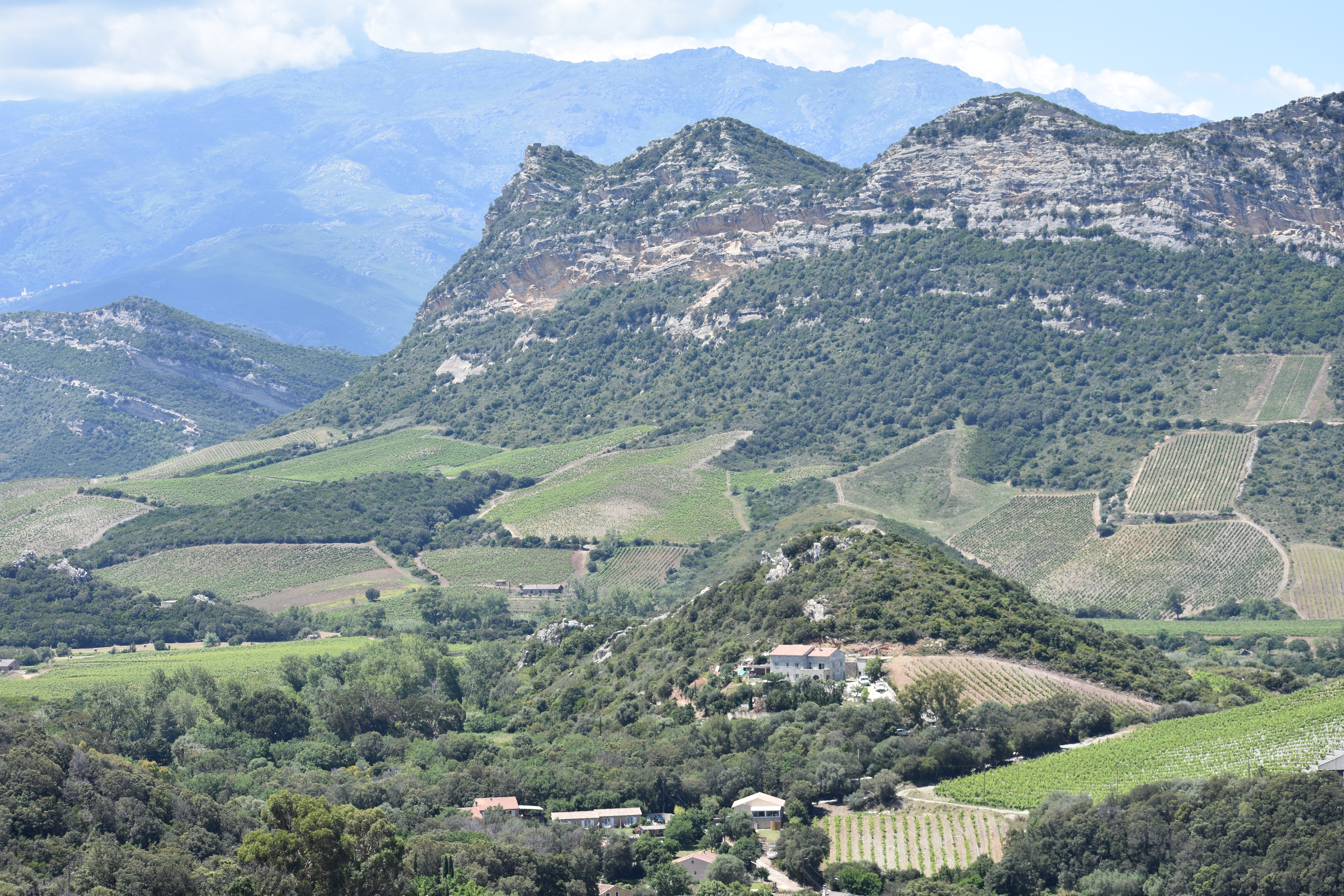 I did come away with a bottle of the Natiu. Made of 100% Vermentinu with a salinity and minerality that cushions the lemon verbena, nettle, honeysuckle and white peach notes, it is delicate, but also solidly constructed. This wine is perfect on its own, or with salads, seafood or pasta.
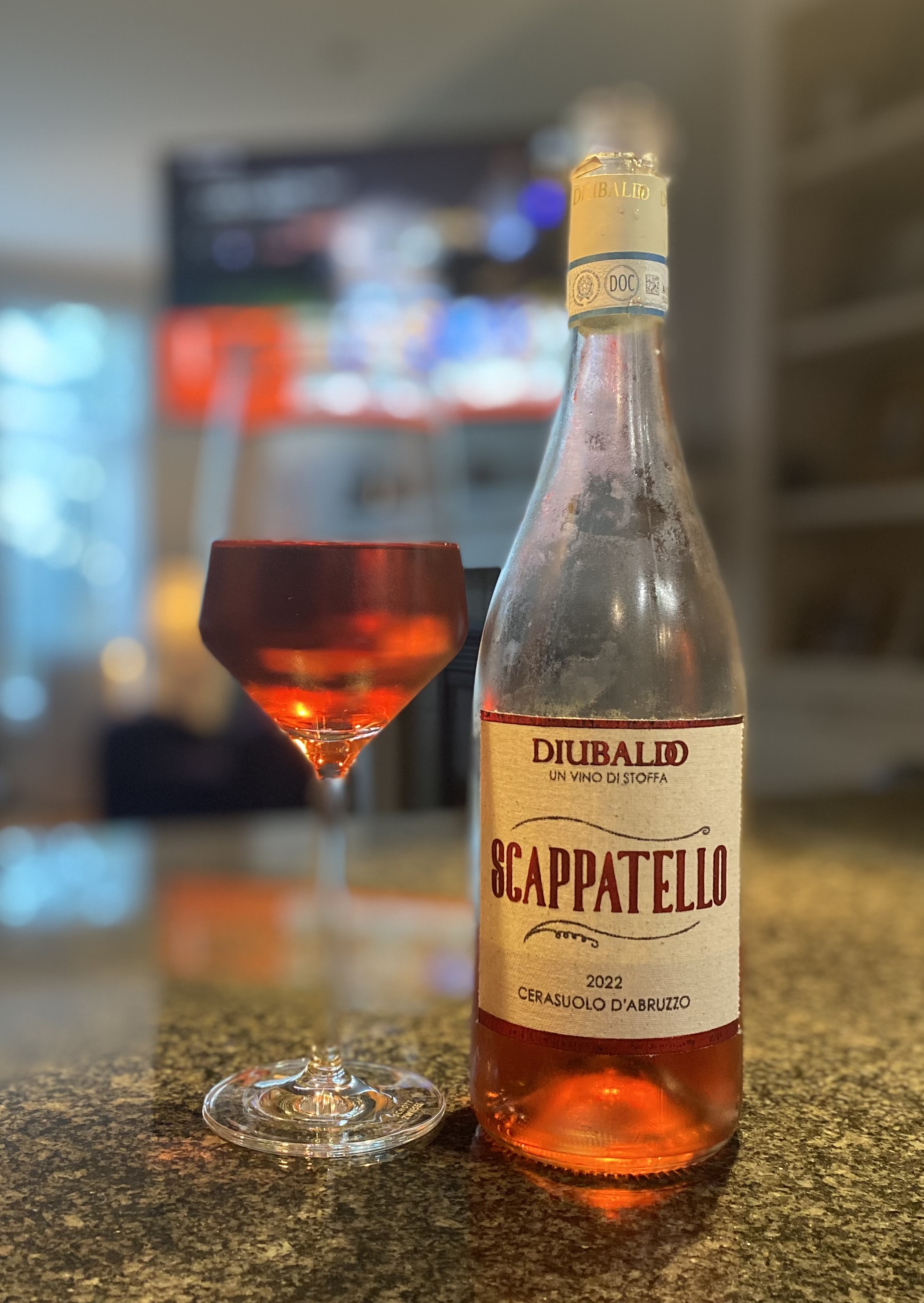 They produce some pretty awesome certified organic wines from their 15 hectares which, if you can get a hold of them, will captivate you with their fresh and clean aromas and flavours.
 What a refreshingly gorgeous red wine this is – the Chorus Cuvée is a Napa Valley field blend co-ferment of 32% Tempranillo, 26% Touriga Nacional, 22% Tinta Cão, 12% Tinta Madeira, and 8% Trousseau.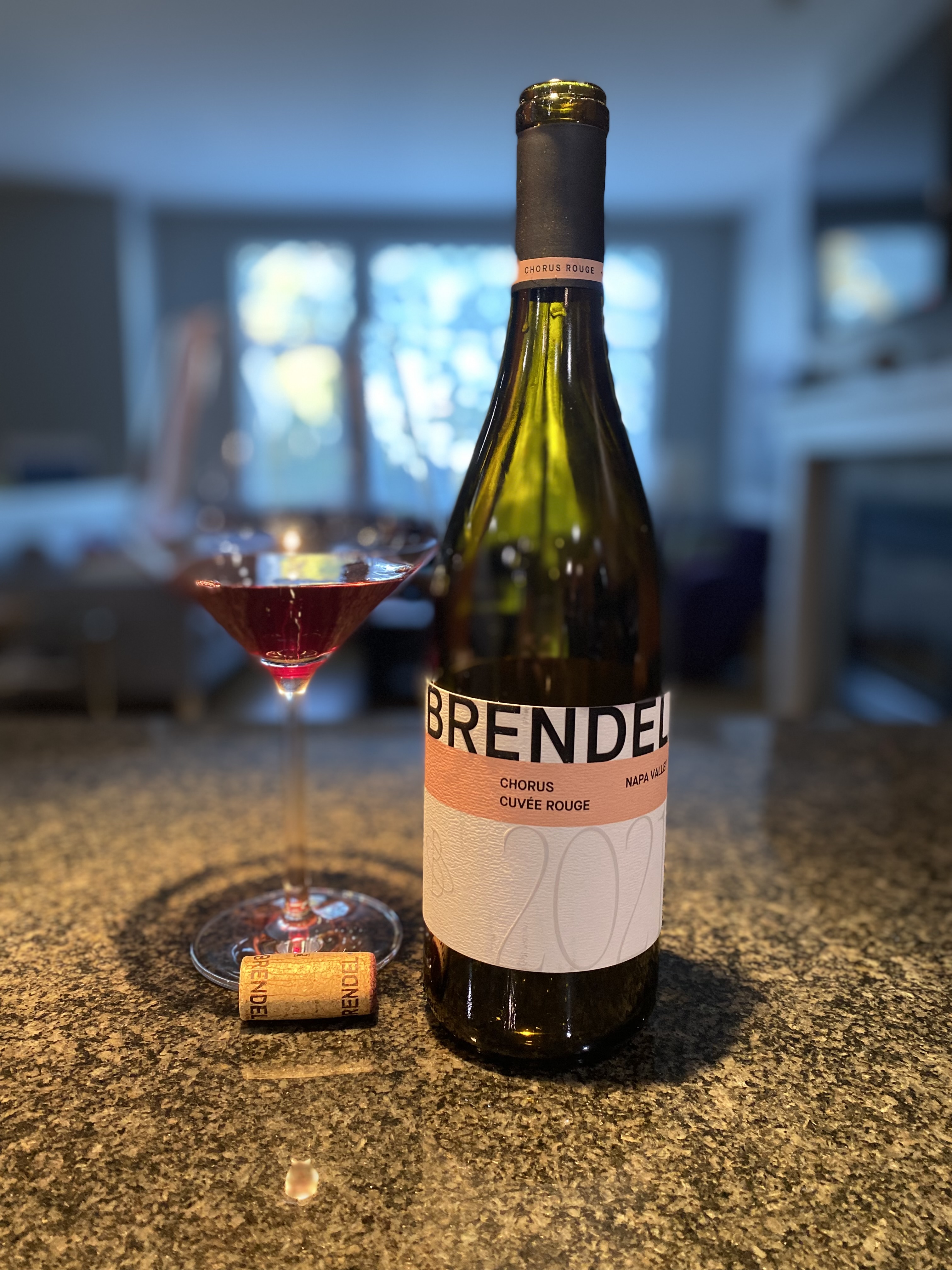
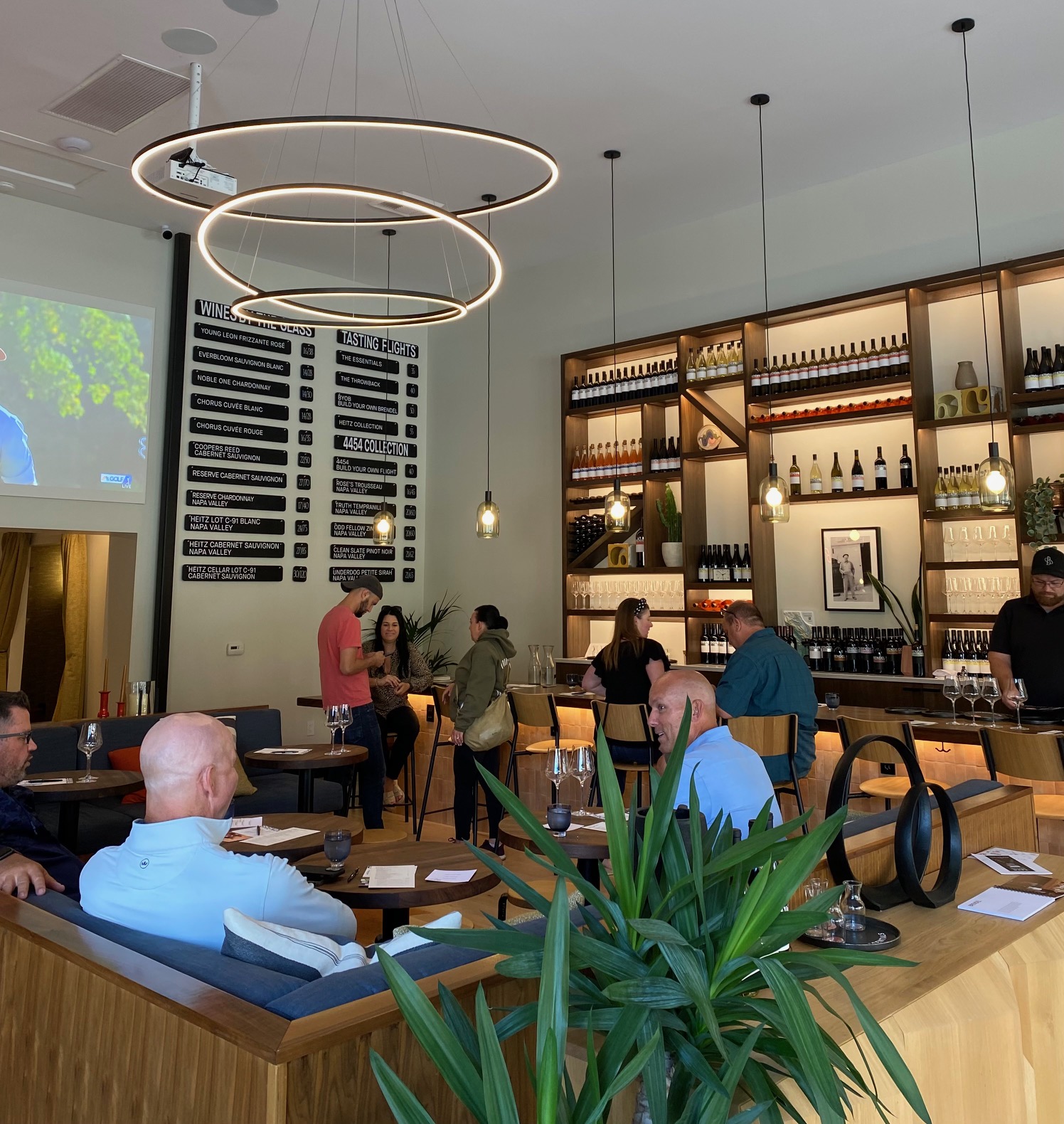 relief to find something unique and delicious that was NOT a Cab Sav.
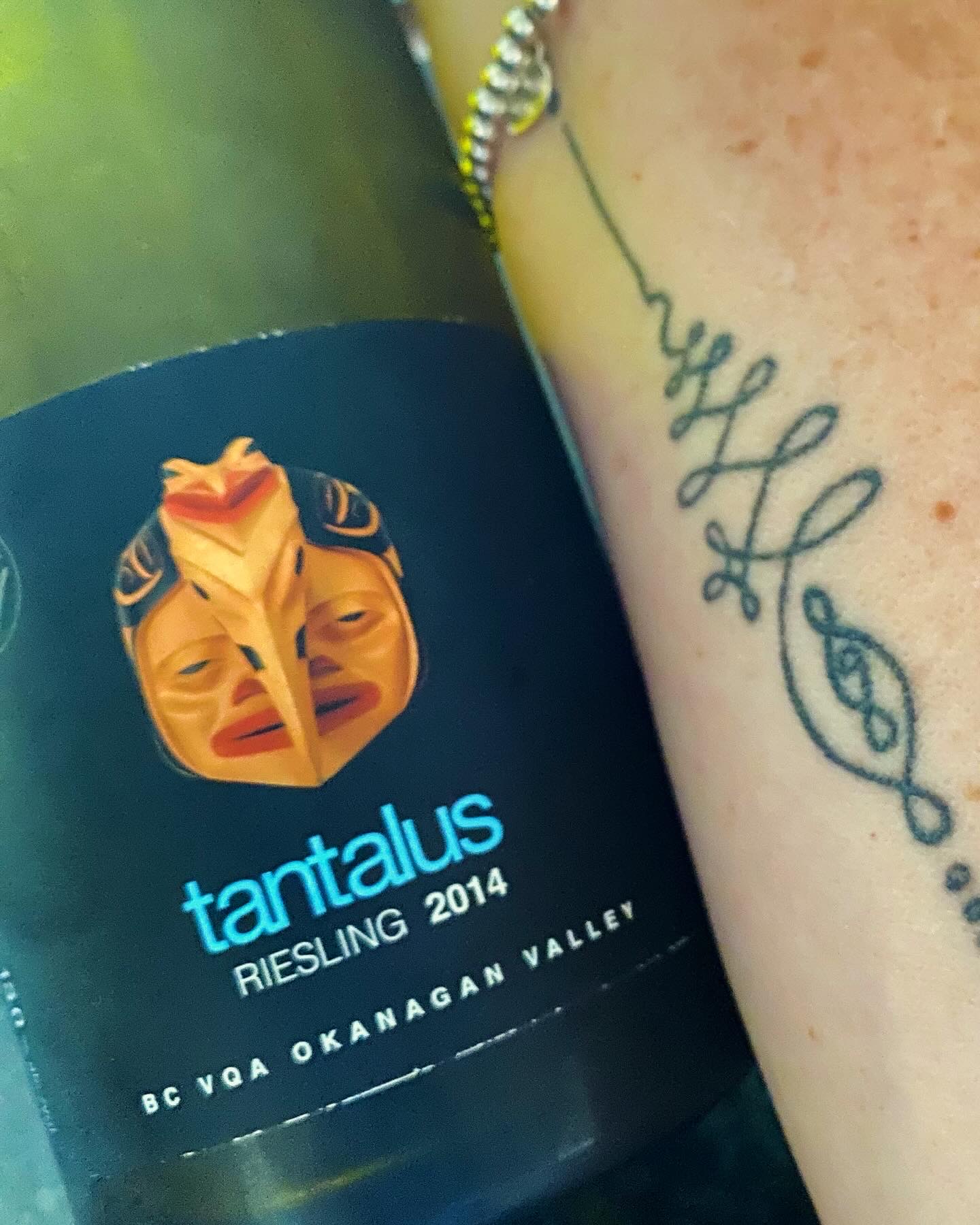 A few weeks ago my sister was over and we were commiserating. I needed to pull out a good wine to bring our spirits back.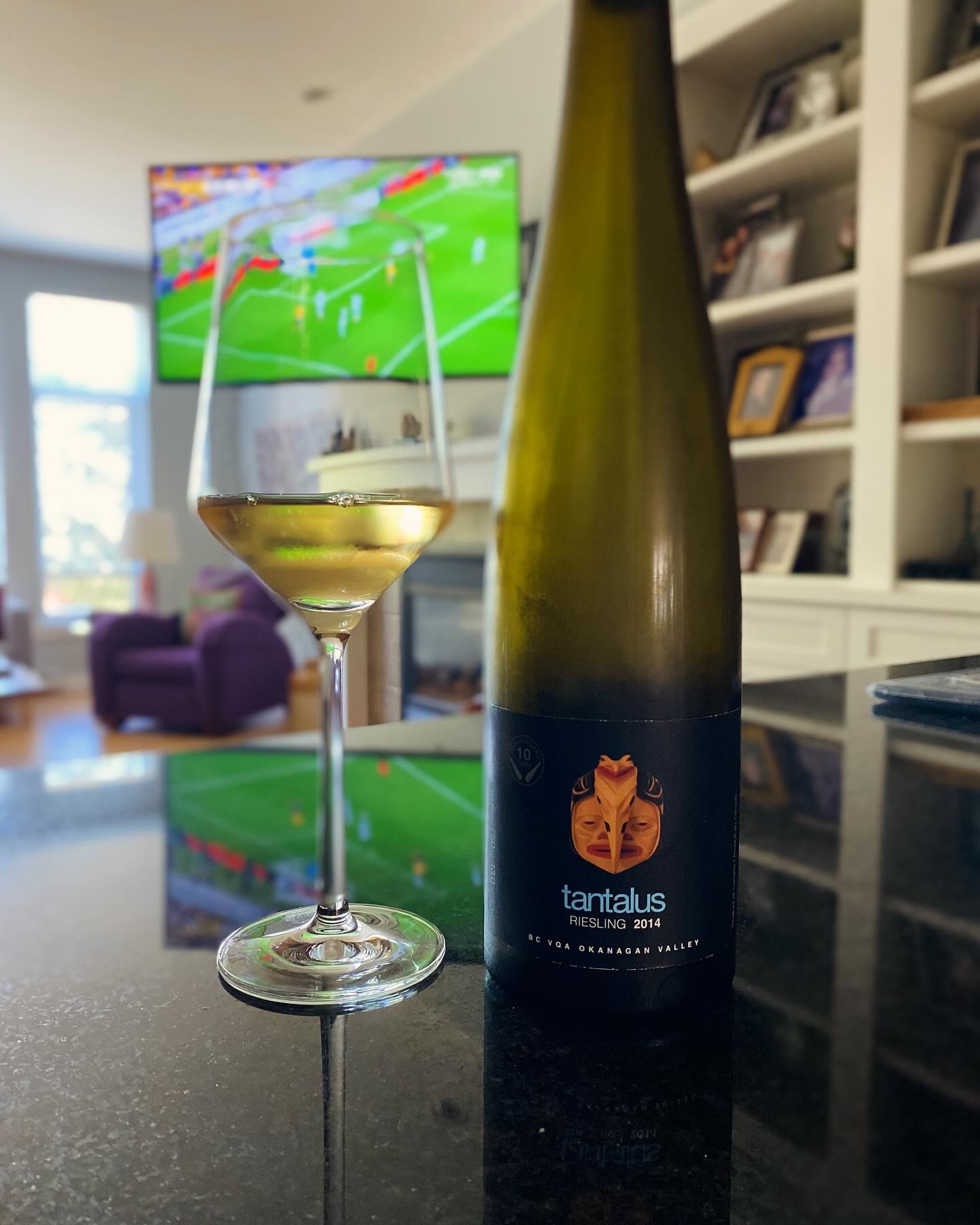
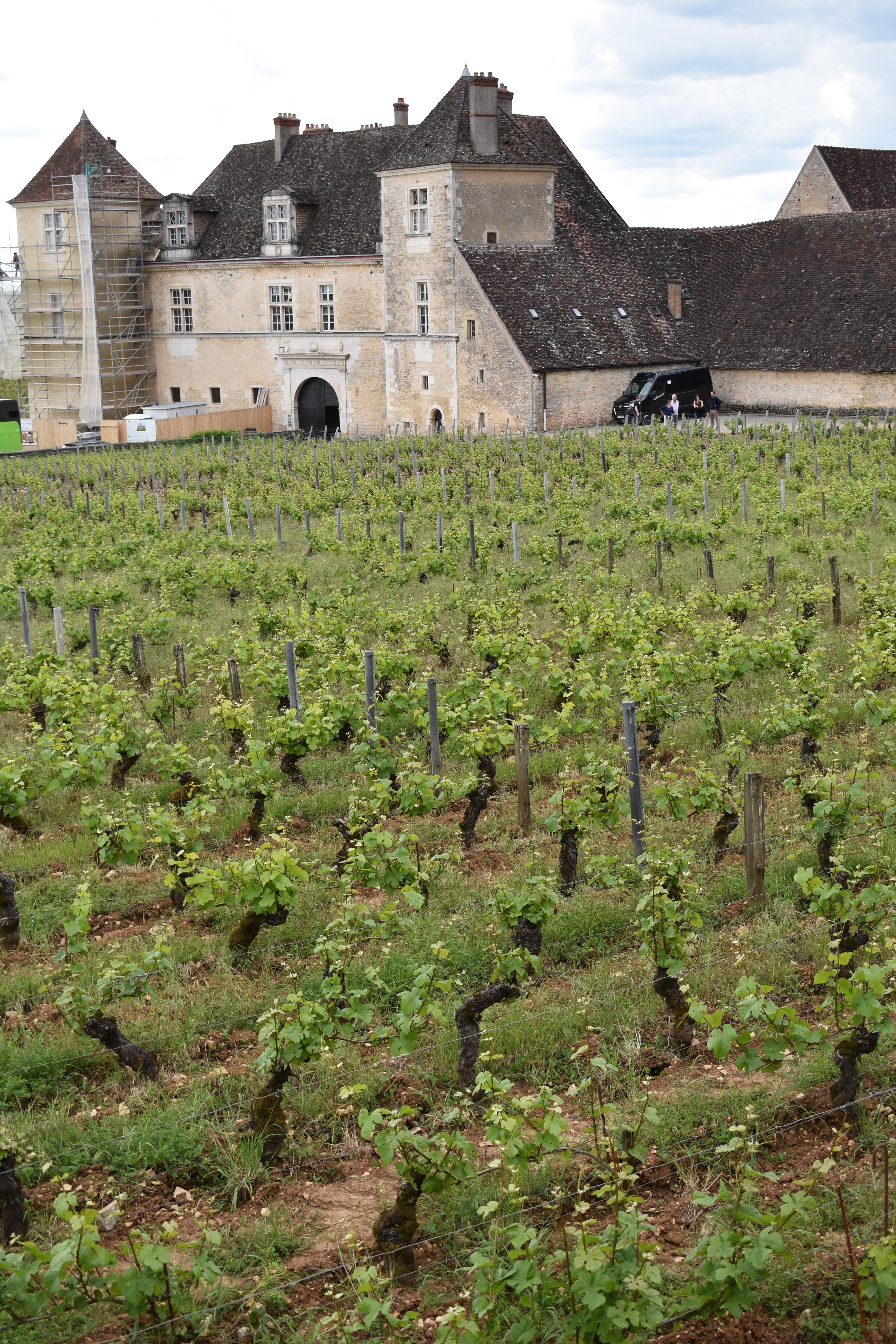
 One of the tasting experiences during my day in Burgundy was at Domaine du Château de la Crée in very tiny Santenay. The Château dates back to 1431, and its main building was burned down during the French Revolution. Santenay is located at the very southern tip of the Côte d’Or.
 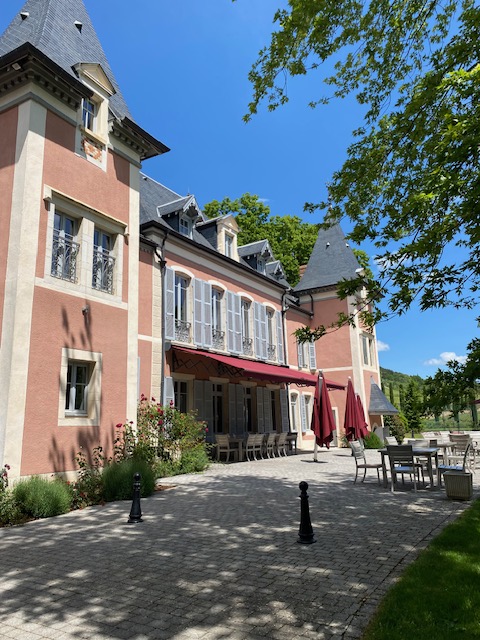 Château was purchased in 2015 by Grace and Ken Evenstad, owners of Domaine Serene in Willamette Valley, Oregon – which I’d been to (follow
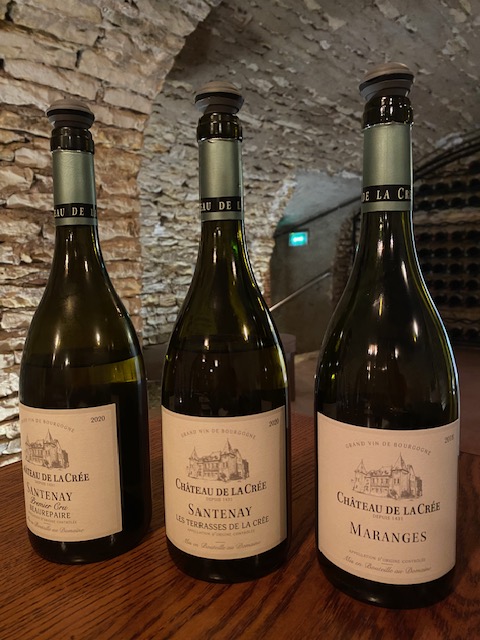 We started with two beautiful 2020 Chardonnays from Santenay (a Beaurepaire Premier Cru and a Les Terrasses de la Crée), but the 2018 Maranges was hard to argue with – fresh lemon, white flowers, acacia, great acidity and 12 months in oak.
 Épenotes, Beaune, Premier Cru was outstanding – earthy chlorophyll and mint with rose petal, raspberry, persimmon and violet, touched by green leaf. Beautifully balanced with chalky tannins, this wine will live for a long time.
  biodynamic vineyards.
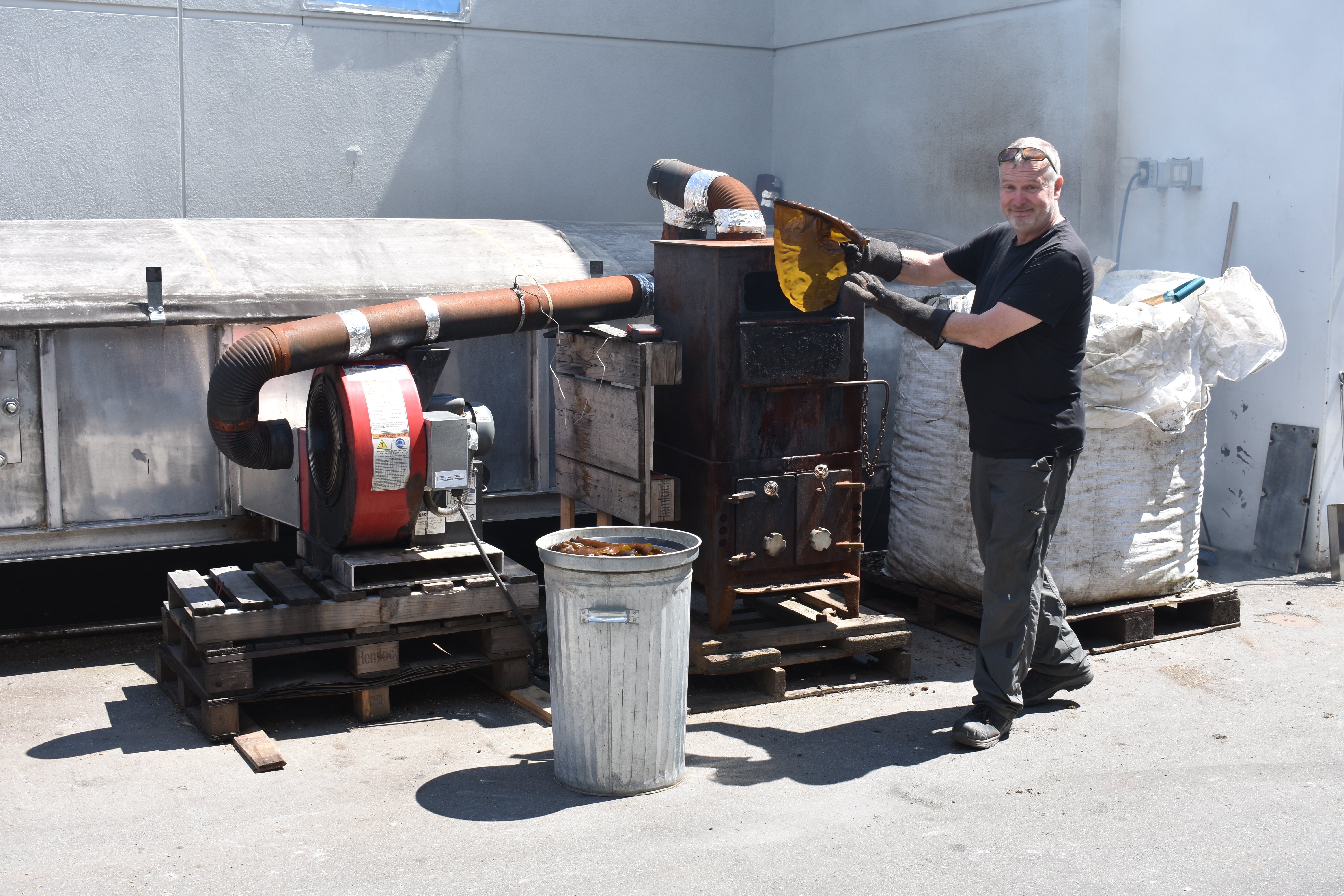
 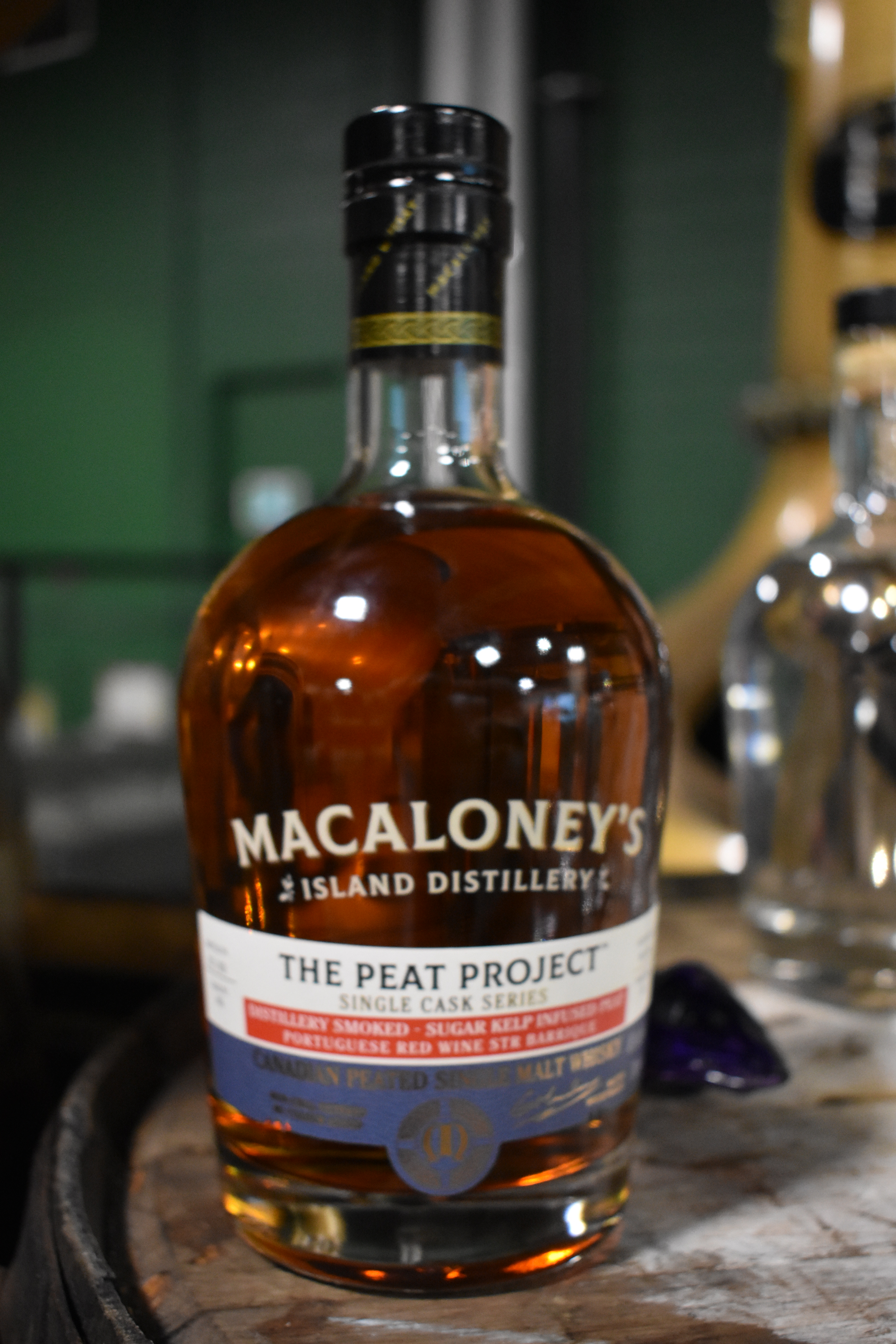 It’s rare to taste and cover a world-first in whisky innovation – but recently, I attended the launch of a Peated Single Malt Whisky smoked with sugar kelp-infused local peat which was just that.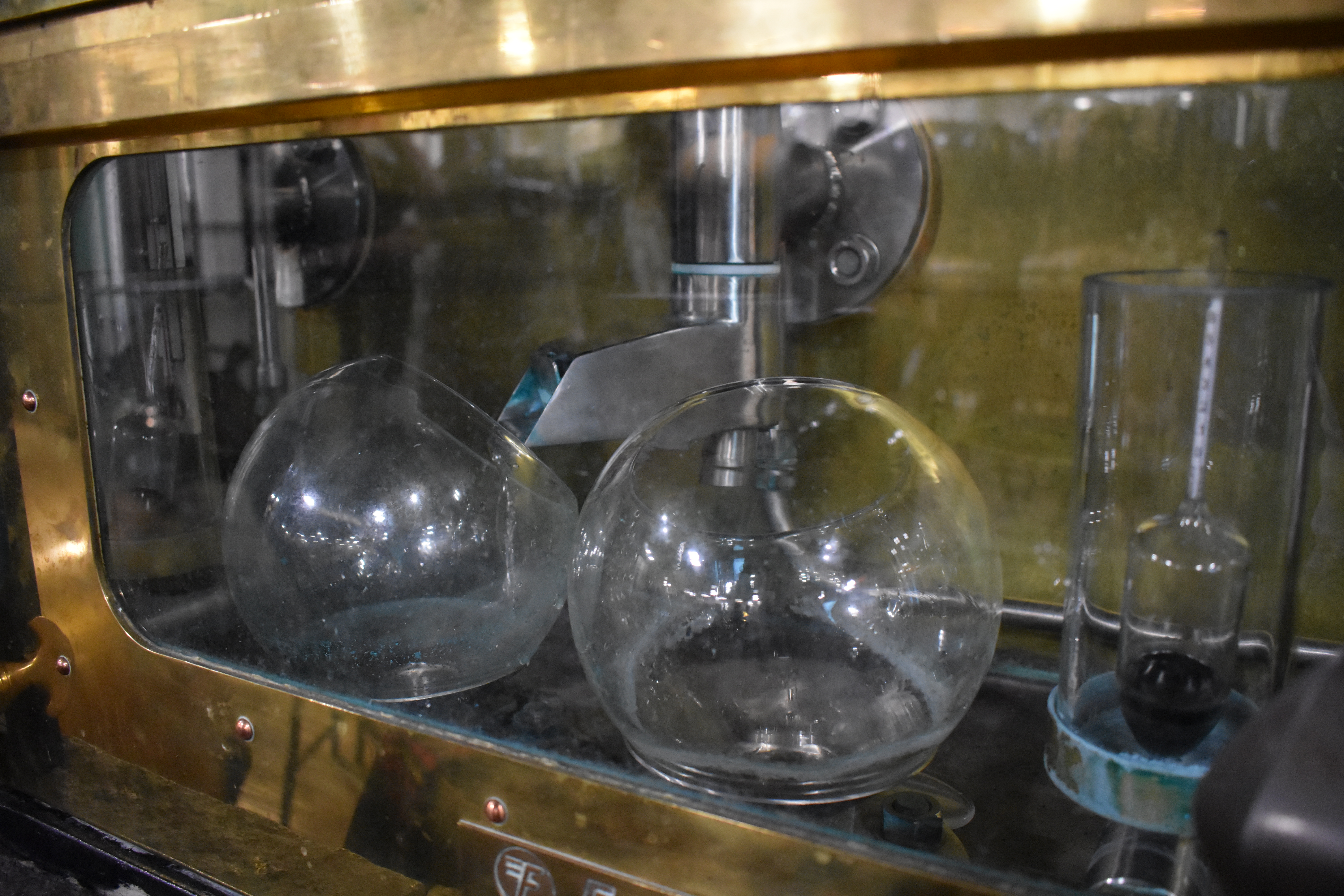
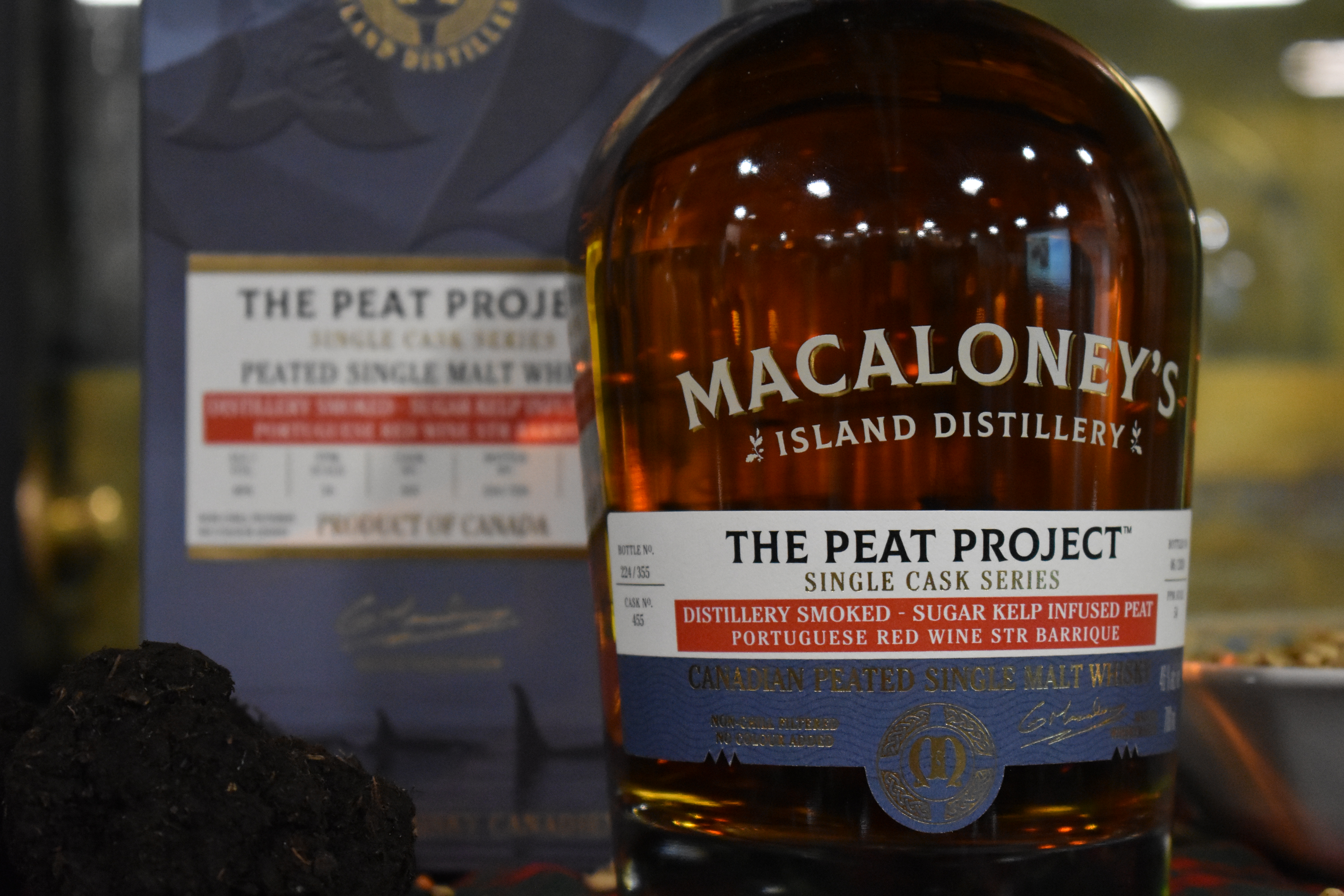 The 3 year old 46% abv whisky with which the seaweed-peated clear spirit was made is outstanding. The nose and palate echo each other with Werther’s butterscotch candy and crème brûlée, sweet pipe tobacco, mandarin oil, dark chocolate and hazelnut. There is no colour added to this masterpiece – it comes from the charred Portuguese red wine barriques.
 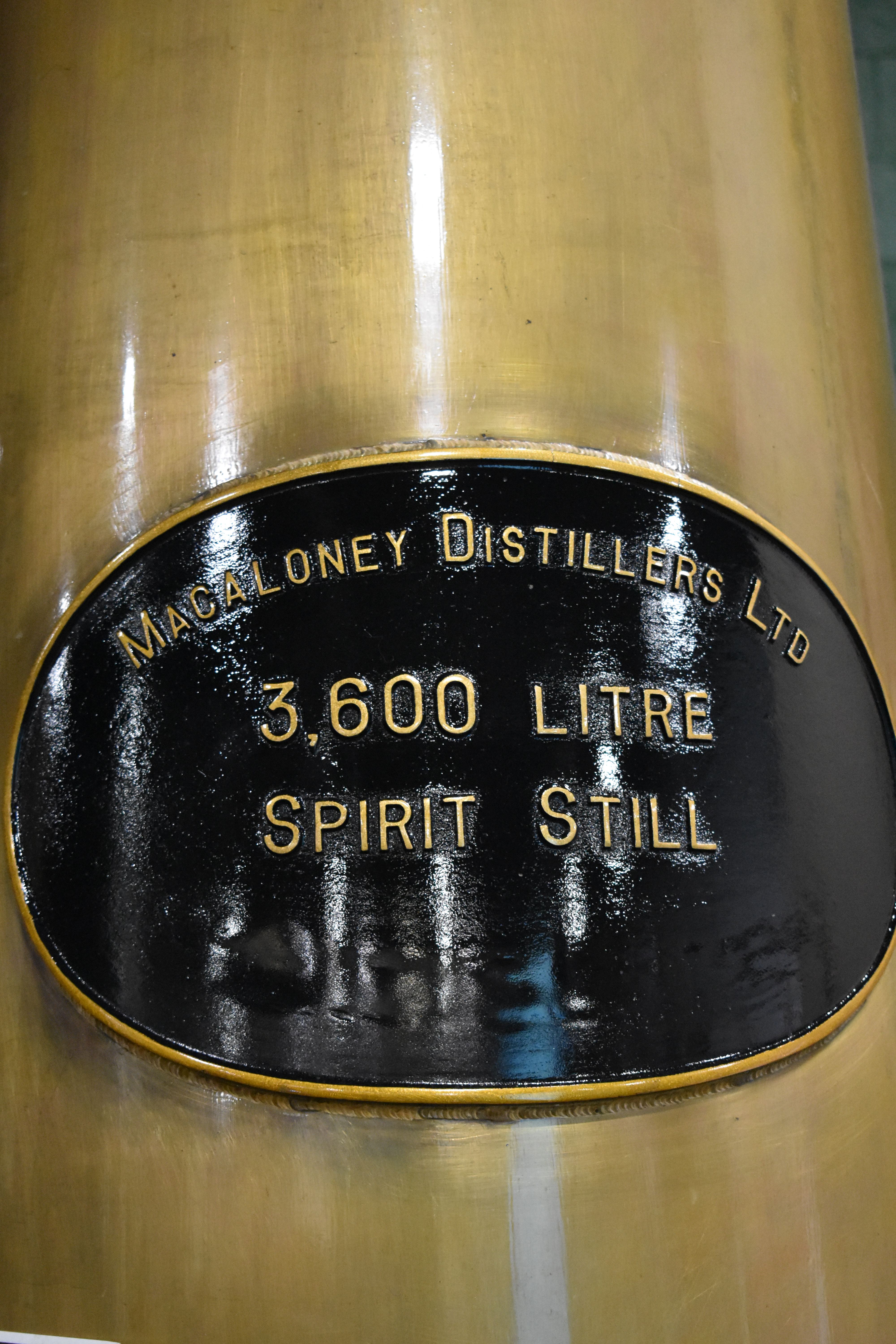 It’s absolutely extraordinary to have such a world-class distillery creating award winning spirits in my own backyard.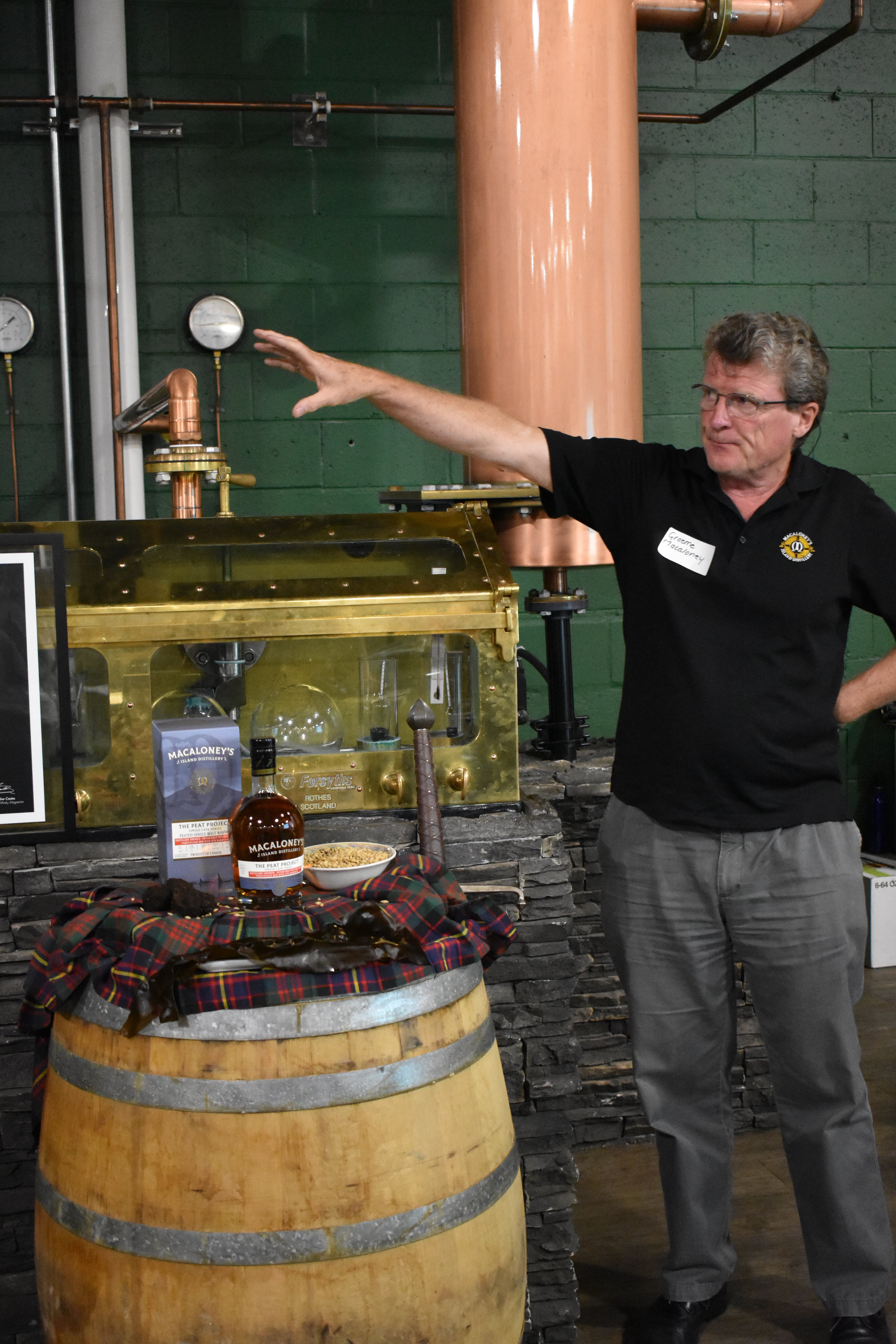
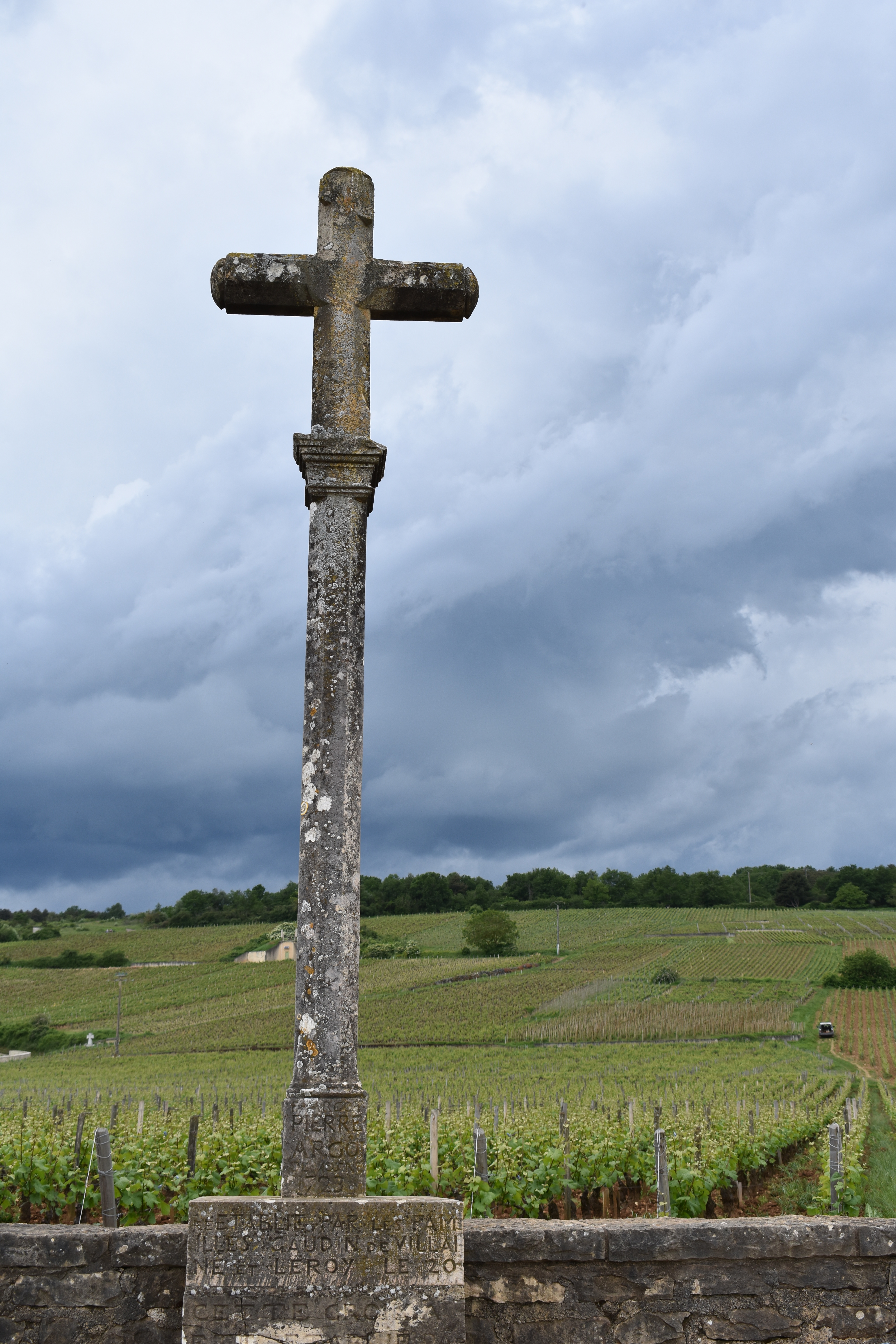 When we started planning a trip anchored to the 2024 Monaco Grand Prix, I knew I also needed to plan a stop just up the road in Burgundy.
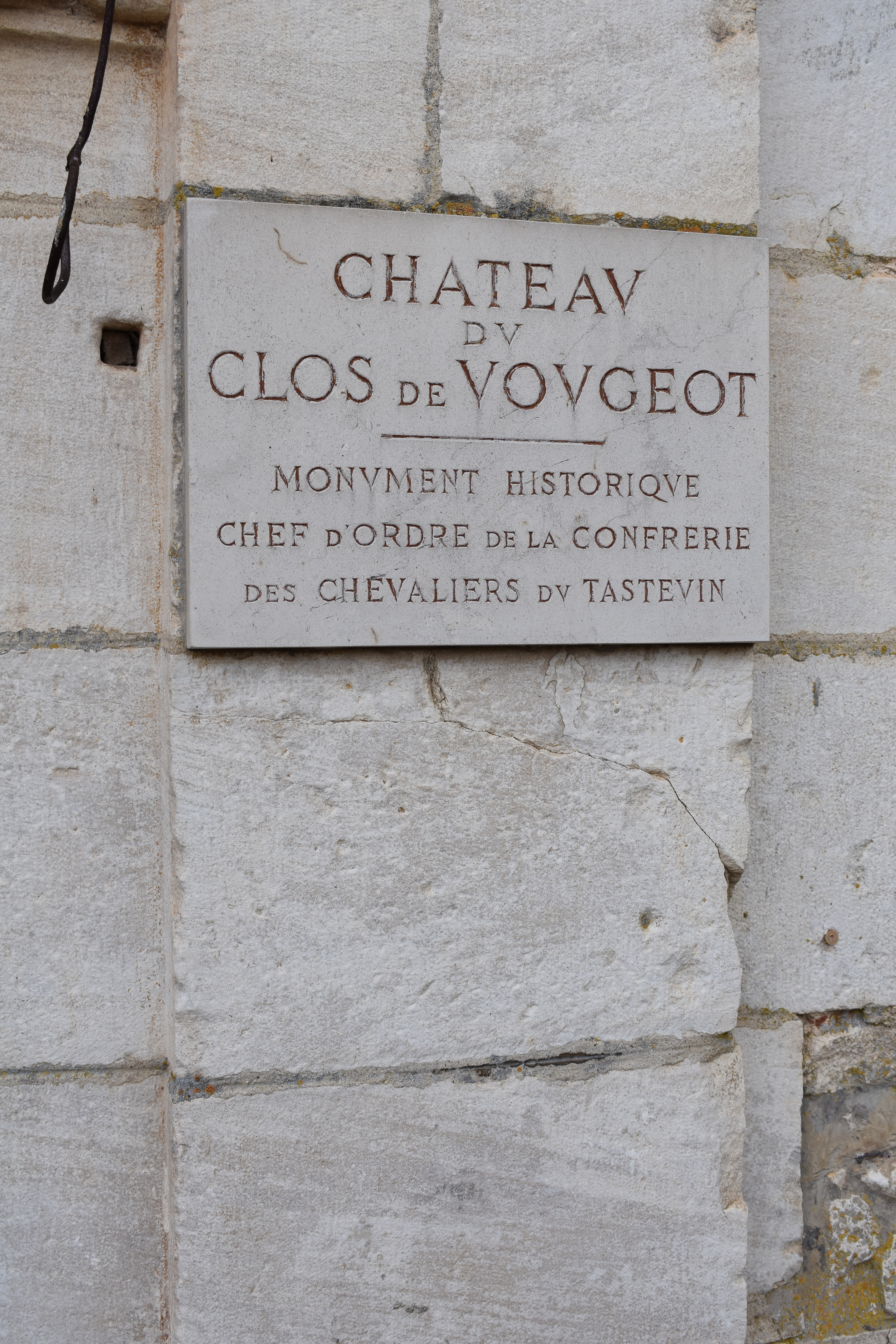 more than a one day visit, but that’s all the time I had. So, I put the word out to my wine world friends and colleagues, and lo and behold, I got some great suggestions for a plan of attack.
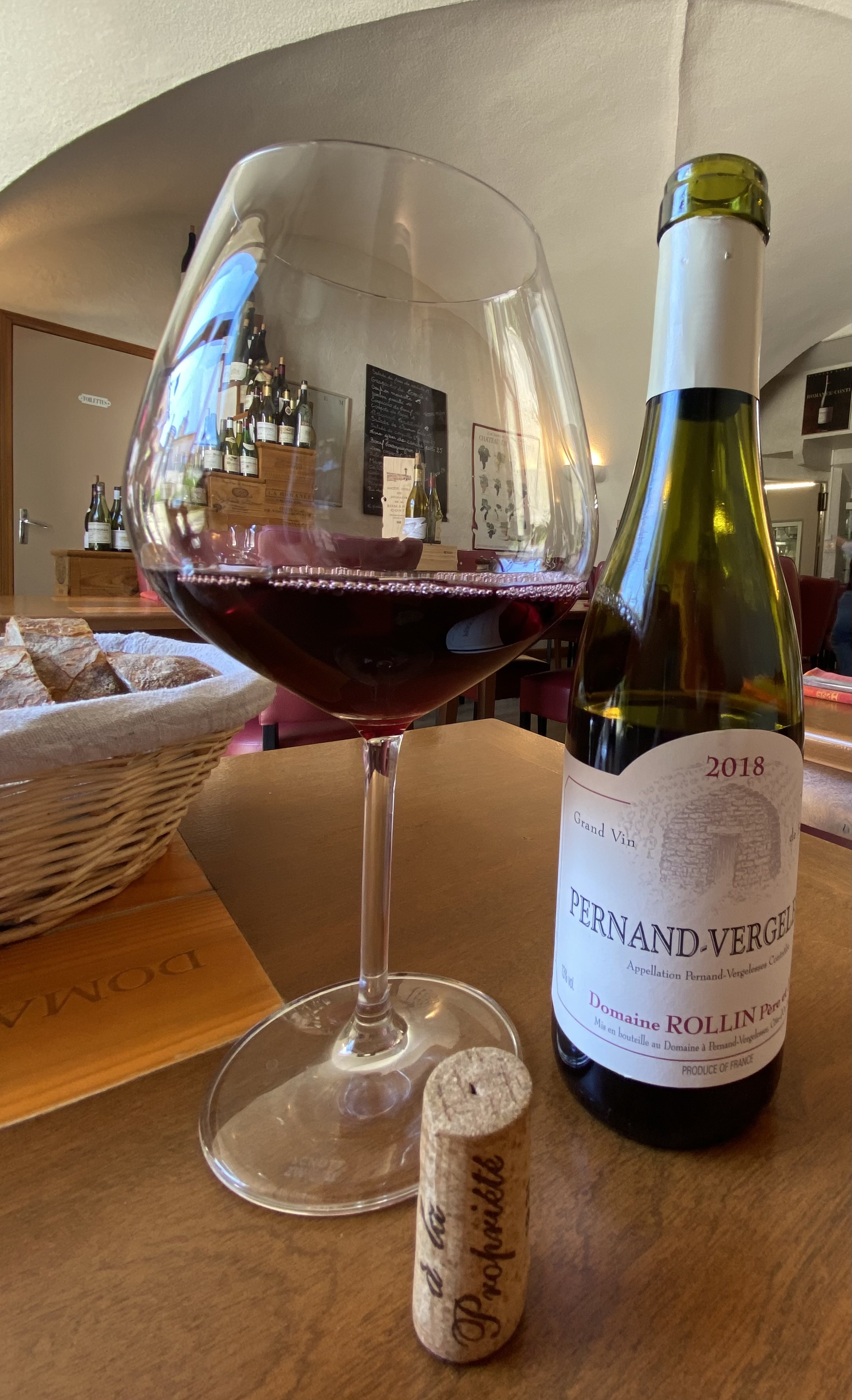 st important regions of Côte de Nuits and Côte de Beaune together) with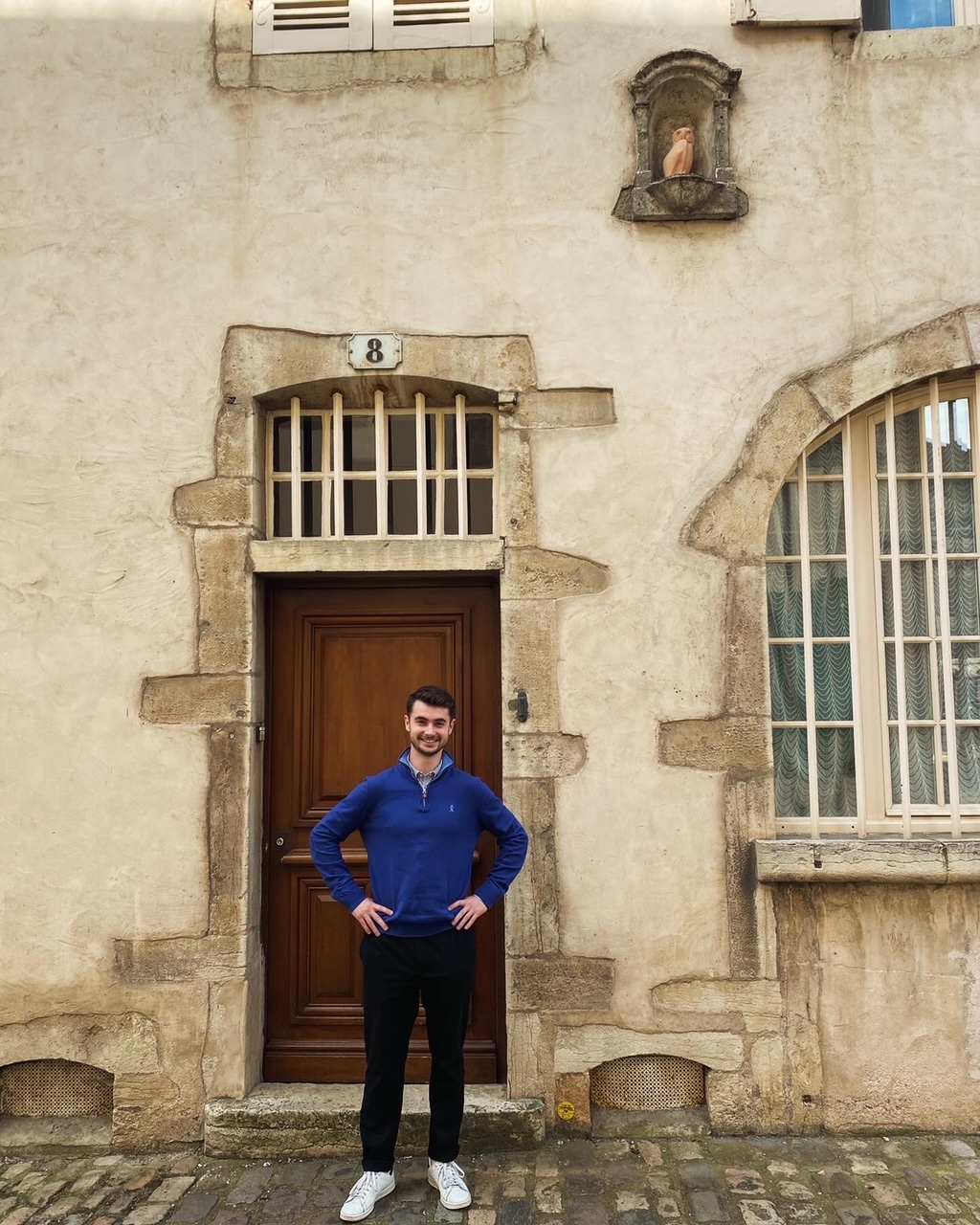
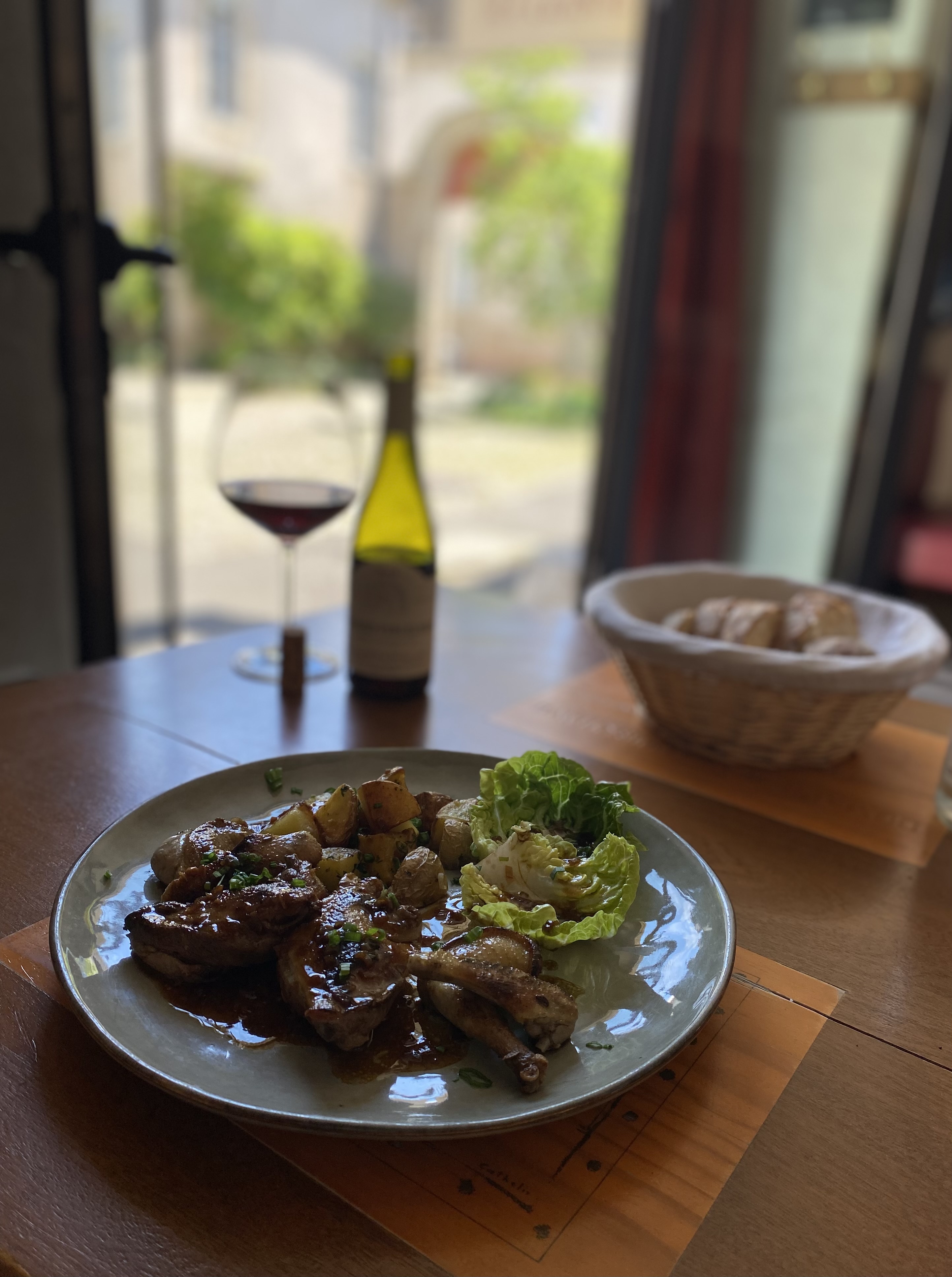
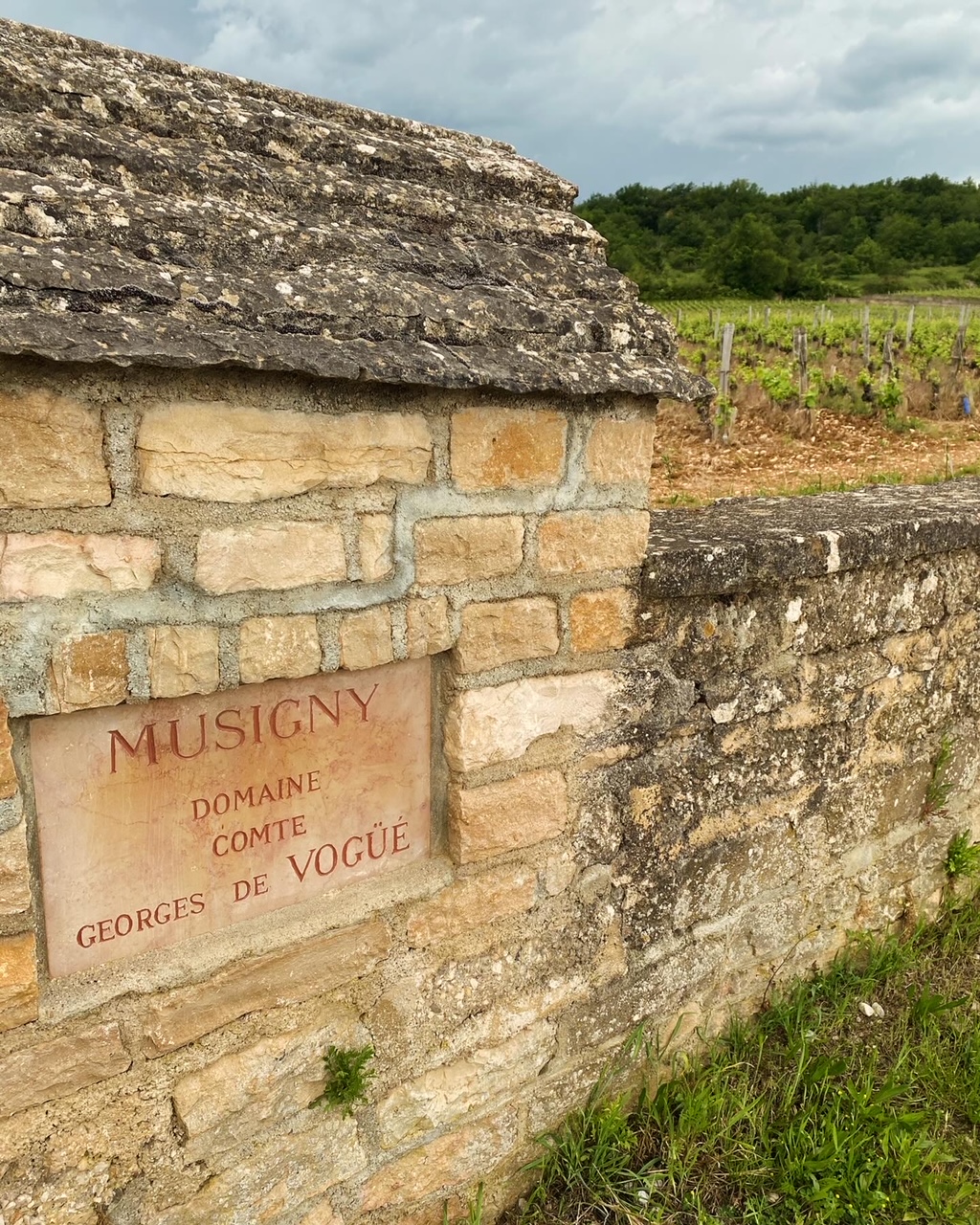
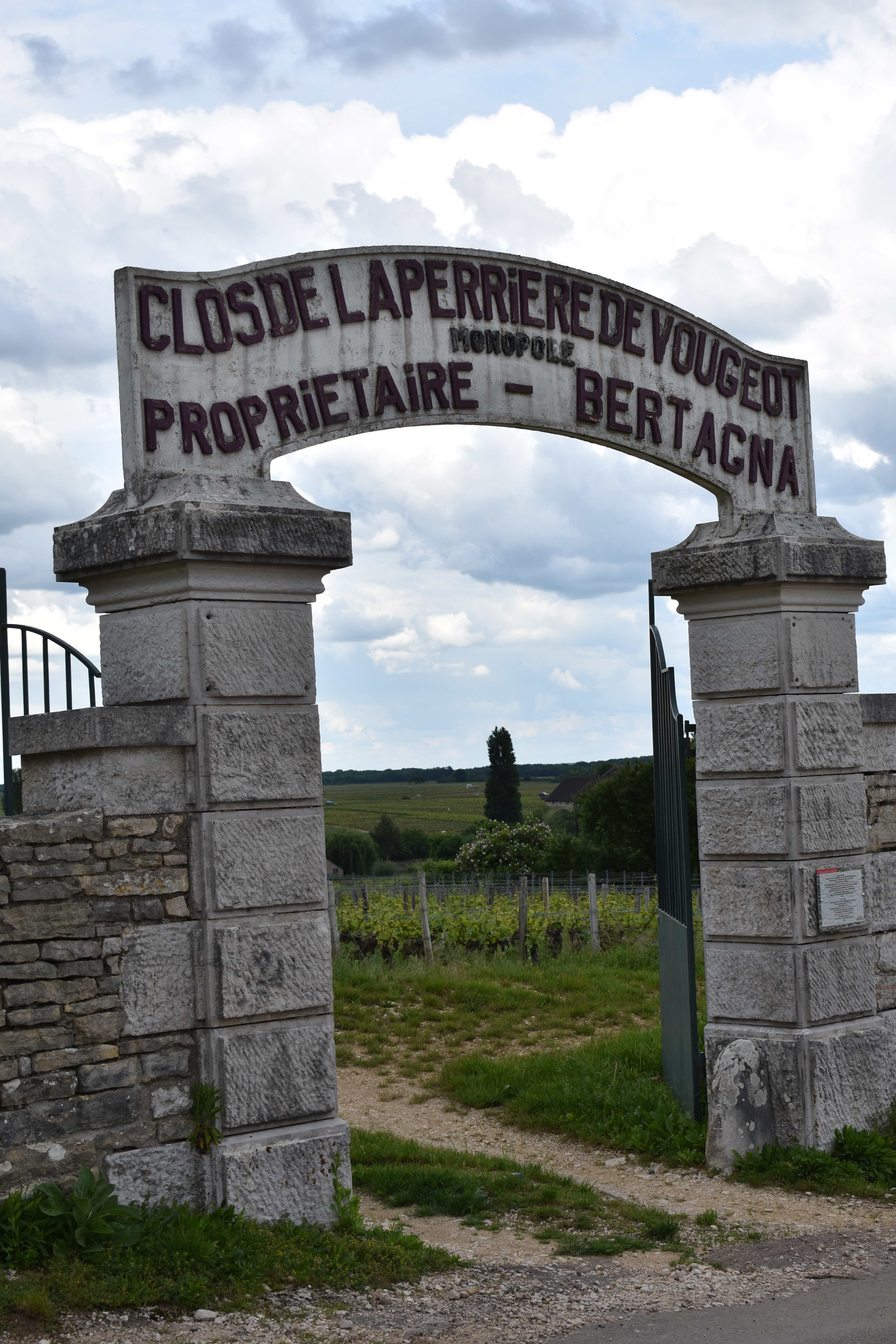
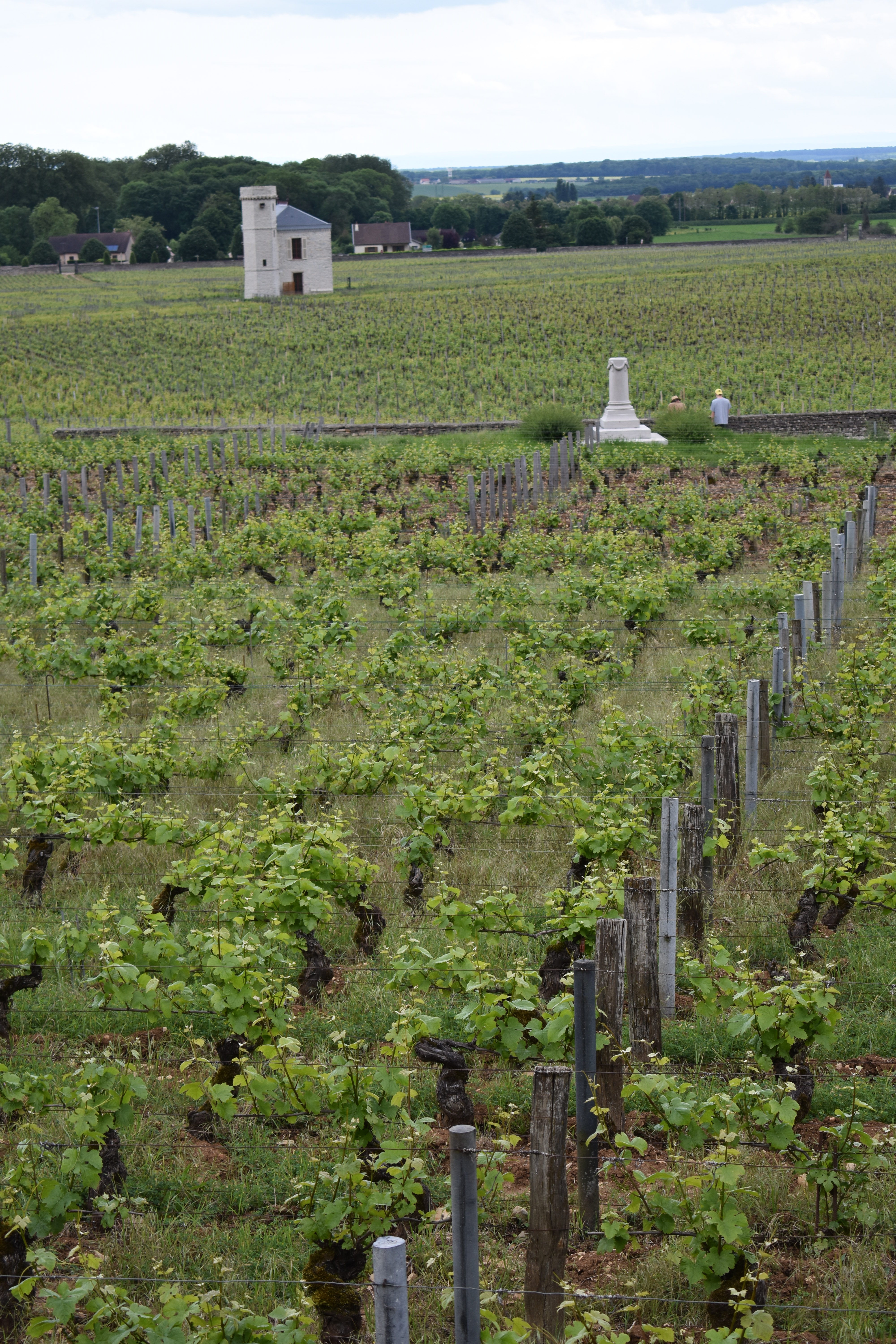
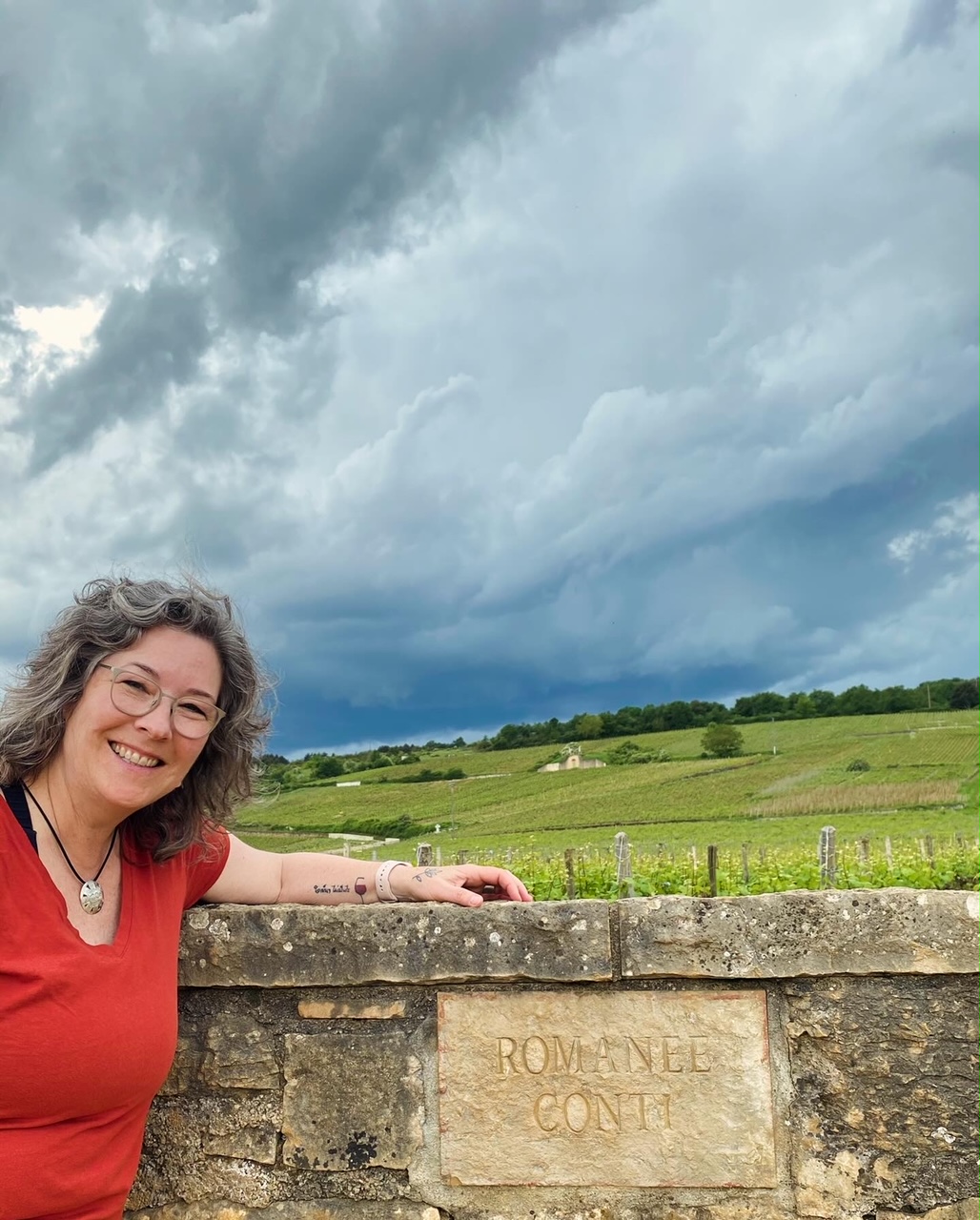 The day included visits to some of the most mythical vineyard plots from the Côte de Nuits – such as La Romanée Conti, Le Musigny, and Le Clos de Vougeot. I also feasted on pigeon at
  Château de la Crée. Ironically, I had visited both their Willamette Valley sister wineries, so it was as if my wine life was coming full circle.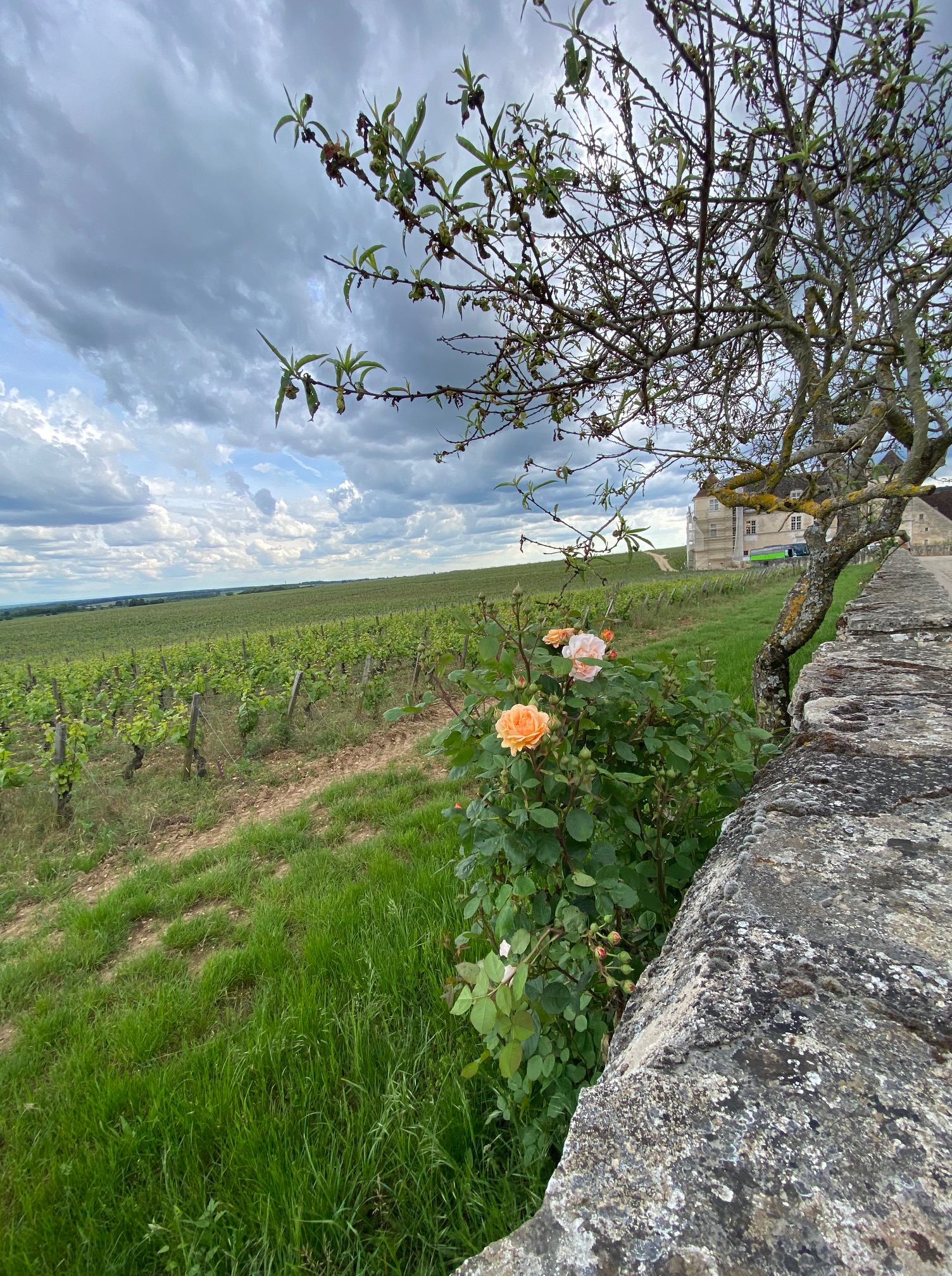
 Ever since I studied the wines of Corsica during the WSET Diploma Wines of the World course, I have wanted to visit the island, birthplace of Napoleon, and see it for myself.
 Clos Paoli, named for his mother’s side of the family, only produces about 8,000 bottles a year on their 15 hectares, and all are made from native Corsican varietals and in traditional ways. Le Blanc is 100% Vermentinu – fresh, fruity, dried flowers and mineral, Le Rosé, a lovely blend of 70% Grenache and 30% Nielluciu, and Le Rouge, the opposite blend of the same grapes. All sport a light 12.5% abv which makes them super approachable and wonderfully refreshing.
 slate in the fields and then pressing them to make wine in the tinazzi tradition – large, open wooden tubs. The wine is later fortified and then aged in oak barrels for 10 years.
 translucent garnet/ruby colour, and a nose full of sweet pipe tobacco, just-turned raspberry, deep red plum and prune, light cassis, fig, date, mocha and hazelnut. With its fresh acidity and light tannins, this treat is delightfully quaffable, and with no cloying sweetness. I bought a bottle and enjoyed some every night for a week before flying home.
 also soulmate to a Corsican lamb pie with chestnut purée we enjoyed.
 shed and meet with Dominique for a tasting. Tell him I sent you! While I was obsessing over the wine, my husband was drooling over a genuine Corsican ‘barn find’ – a completely original and intact 1930 Donnet Six – hiding in the back of the tasting room.
 You could also take part in their ‘dinner in the vineyard’ offer. And make sure you’re shipping a bag home so you can bring back multiple
  bottles. It’s more than worth the effort.
 After picking, the fruit is pressed as a field blend and left to co-ferment with native yeasts. The wine ages 7 months in French oak but there’s no MLF or battonage, so the wine produced has super minerality and fruity clarity.