In 1999, when Cristiana Tiberio’s father Riccardo discovered this property and its rare Trebbiano Abruzzese vines in the middle-of-nowhere Abruzzo, emptied his bank accounts to buy it, and replanted most of it with Montepulciano d’Abruzzo, more Trebbiano Abruzzese, Pecorino and Moscato di Castiglione grapes indigenous to the region, people said he was crazy – and worse, that no one would ever buy his wines.
Fast forward to 2022 – his daughter is the winemaker, and his son, the viticulturalist – and their wines earn accolades every vintage from adoring industry heavyweights around the globe.
Cristiana welcomed us into her home and spoke lovingly of her father and the absolute trust he had placed in her.
“My first vintage was 2004. There are not many female winemakers. When I started making wine, people said, ‘Oh, they’re very elegant, female wines’. No one says that anymore. Now they say, ‘this wine is so great, so vibrant, so much energy!’ Putting people in boxes makes others comfortable….It’s not about being a girl or a boy, but you know, in Abruzzo, for many generations, the girl or lady in the wine family just had the role of public relations and accounting.”
 “Outside Abruzzo, I haven’t had any trouble. But here, no – she’s a girl, what can she do?! Honestly, the secret of me has been our father. Since I was a child, I grew up thinking I could do whatever I wanted – it was up to me – being a girl had nothing to do with it. My father purchased this property and spent all his money. I find this a big responsibility. It’s been tough, but I carry it.”
 Riccardo has long since retired into his truffle hunting hobby (his retired dogs Quarmari and Diana are in the pictures, and all over their Instagram), but Cristiana and Antonio shepherd the 30 hectares of 20-80 year old vines with great passion, noting that “Every five minutes, there’s a new challenge. Bugs, disease, pandemics, earthquakes…whatever can happen will happen.”
I have enjoyed these wines tremendously since they became available in western Canada – especially the Cerasuolo d’Abruzzo IGT – a free run juice rosé with cold maceration on skins that is all crunchy, red fruit – pomegranate, strawberry, and new cherry – with high acidity and light tannins.
But the Pecorino IGT has such small production that I was excited to taste it. It’s a higher level wine, but it has been declassified to IGT status so the hill it hails from can be named on the label (Colline Pescaresi). This is important as these vines are 15 years old and the grape is truly indigenous, and has not been nursery corrected. 
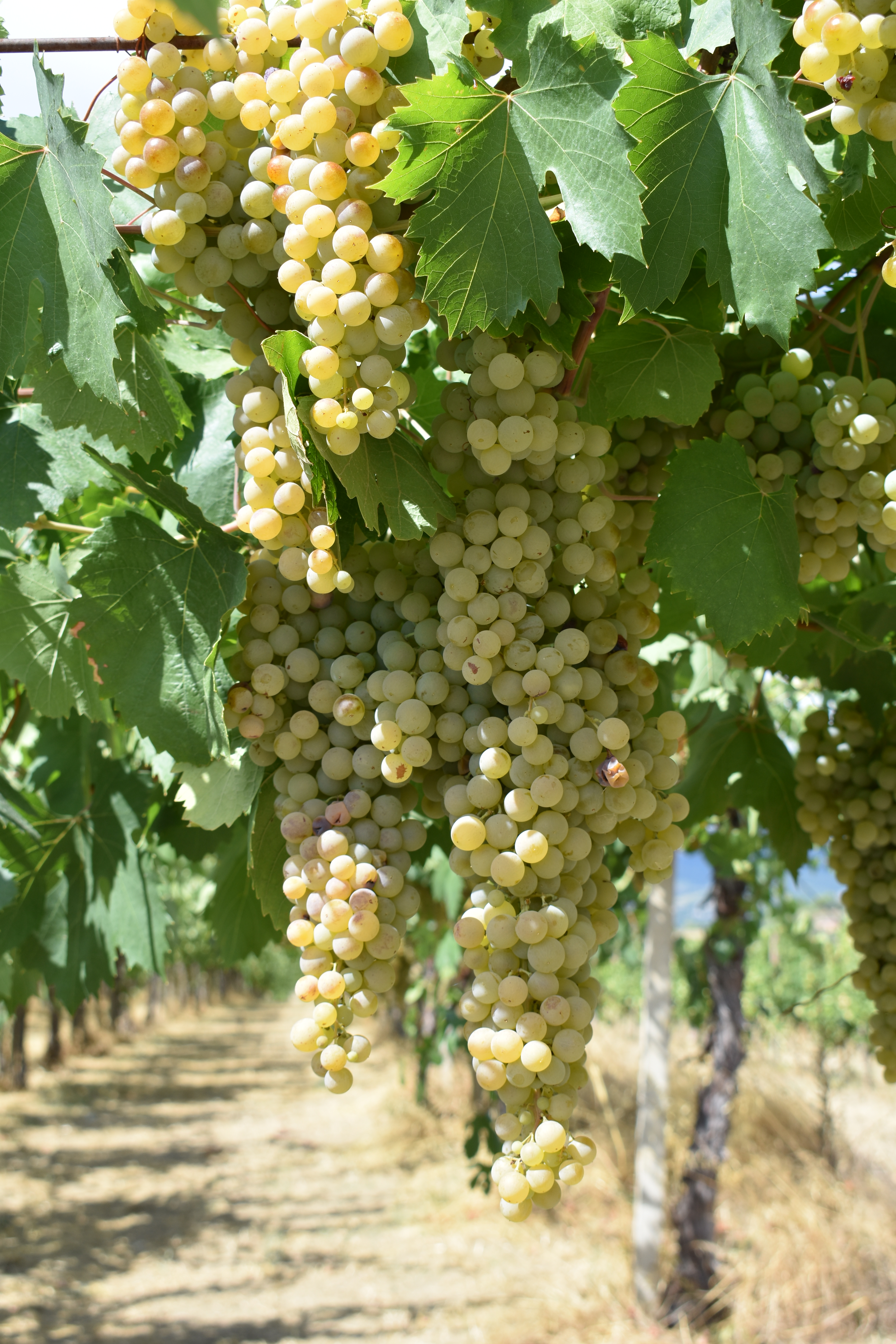
Translucent gold from the thick grape skins, the Pecorino IGT is distinctly mouth tingling with yellow apple and white peach, augmented by rosemary, thyme, cheese rind and a slate-like minerality. The finish is long and evolves with savory, umami-toned notes.

Note the rare double vine plantings.
These Pecorino grapes have thicker skins than the modern clones planted by other wineries on flatlands that have higher yields. The skins help protect them from spring frosts, and in hotter vintages, they grow even thicker to protect the fruit. The groundcover on these 3.5 hectares planted at 360m is completely spontaneous – nothing extra is planted or introduced into the environment.
 While Tiberio is neither organic nor biodynamic, Cristiana agrees it would have been much easier for them initially if they’d had those certifications. Now she asserts, “I think the organic and biodynamic route has been important, but it has been overtaken by the marketing. We don’t need a sticker or a stamp – we need to communicate the details of our land, our grapes, our process. It’s much tougher for a smaller winery like ours, because I need to invest time to communicate. But at this point, we are good and now I do it for our industry.”
With her Pecorino wine now noted widely as a true benchmark Italian white, she couldn’t be more right. They’re more than good.

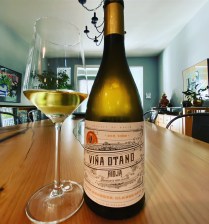
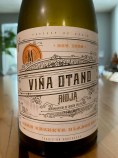 Deep gold in colour, the nose has tones of sherry, sea salt, coconut, super ripe Barlett pear and bergamot. The palate is delicious with almond, pear and ginger blossom, dried mandarin peel, and more Oloroso.
 about so many reviews is the fawning, oh-my-god-this-wine-is-amazing accolades that
  many churn out.
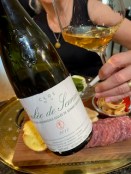
 This is a stunning example of a benchmark white wine, from a famous piece of schist dominated
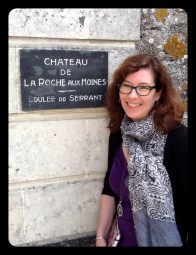
 dirt (planted since 1130 AD, see picture) which is now its own appellation, even though it’s only 13 hectares in size. Nicholas Joly is the owner and winemaker, and his daughter Virginie whom I met in 2014 works alongside him in this capacity (see picture).
 We opened it at 14 years old and did not decant it – we wanted to see how it would open up in the bottle over the evening. We were unable to save any for the next few days to observe changes – we couldn’t stop ourselves and drank it in one sitting, even though Mr. Joly himself recommends enjoying his bottles over three days. How anyone could wait so long to finish it is completely beyond me.

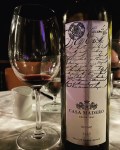
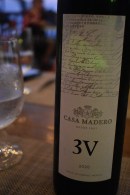 Anyone who follows me on social media will know I was in Mexico recently with my family to celebrate 20 years of togetherness. What better way to toast our family’s union than to enjoy a Mexican wine from the oldest winery in the Americas (est. 1597) with the anniversary dinner.
 maintain an open mind -and I’m glad I did, because the 3V was a lovely accompaniment to our celebratory dinner.
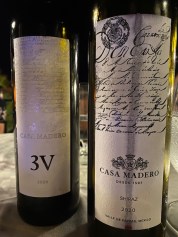 (‘parras’ means ‘vines’ in Spanish), is grown at 1,525m. This is the only reason wines of any measure of quality can be produced this far south – the altitude offers an air conditioning effect on the vines. The Val de Parras is a microclimate oasis in the middle of what is otherwise mountain ranges and semi-desert.
 Deep purple with aromas of strawberry, blueberry, plum and boysenberry, the palate shows the same fresh fruit, augmented with dried tobacco leaf, marvelous body, and good acidity. It has spent 12 months ageing in American, European and French oak.
 denomination systems.
 Classic, classic, classic – it doesn’t get much better than this developed, yet still bright, mostly Tempranillo wine from benchmark Rioja winery, Lopez de Heredia.
 Lopez de Heredia red wines and is often enjoyed much earlier than we did this one – but it was outstanding nonetheless (we opened it at 11 years old).
 The dry palate is both soft and complex showing mocha nibs, cigar box, pastrami and walnut. There’s even still some bright fruit – black plum and cranberry. Spicy and candied, it has fabulous acidity and a lengthy
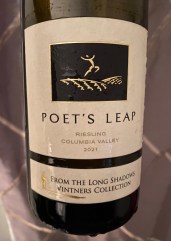
 Owners Shay and Harlee Code decided in 2016 to purchase land in Okanagan Falls on which they planted Viognier, Syrah, several clones of Pinot Noir, and Chardonnay grapes.

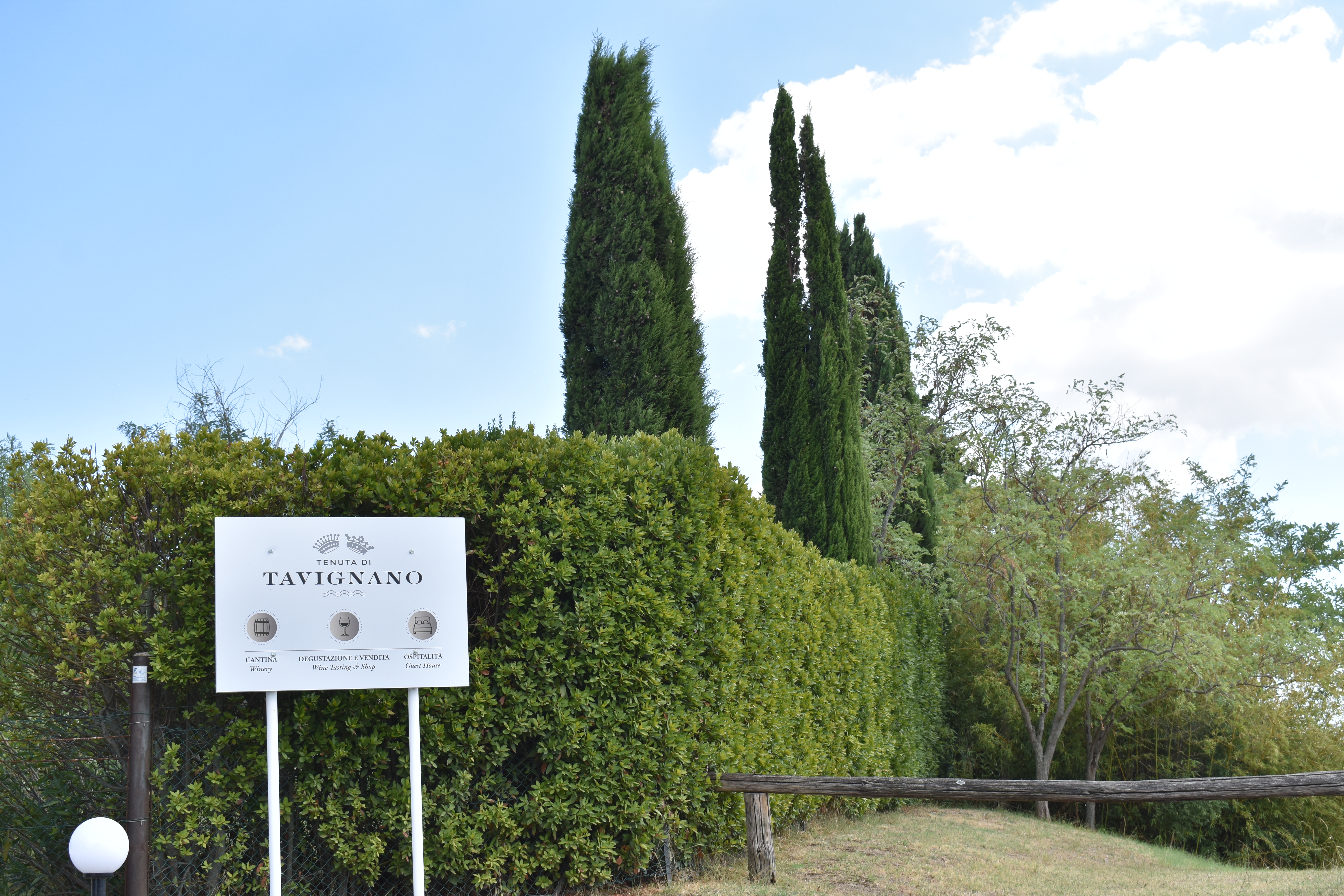
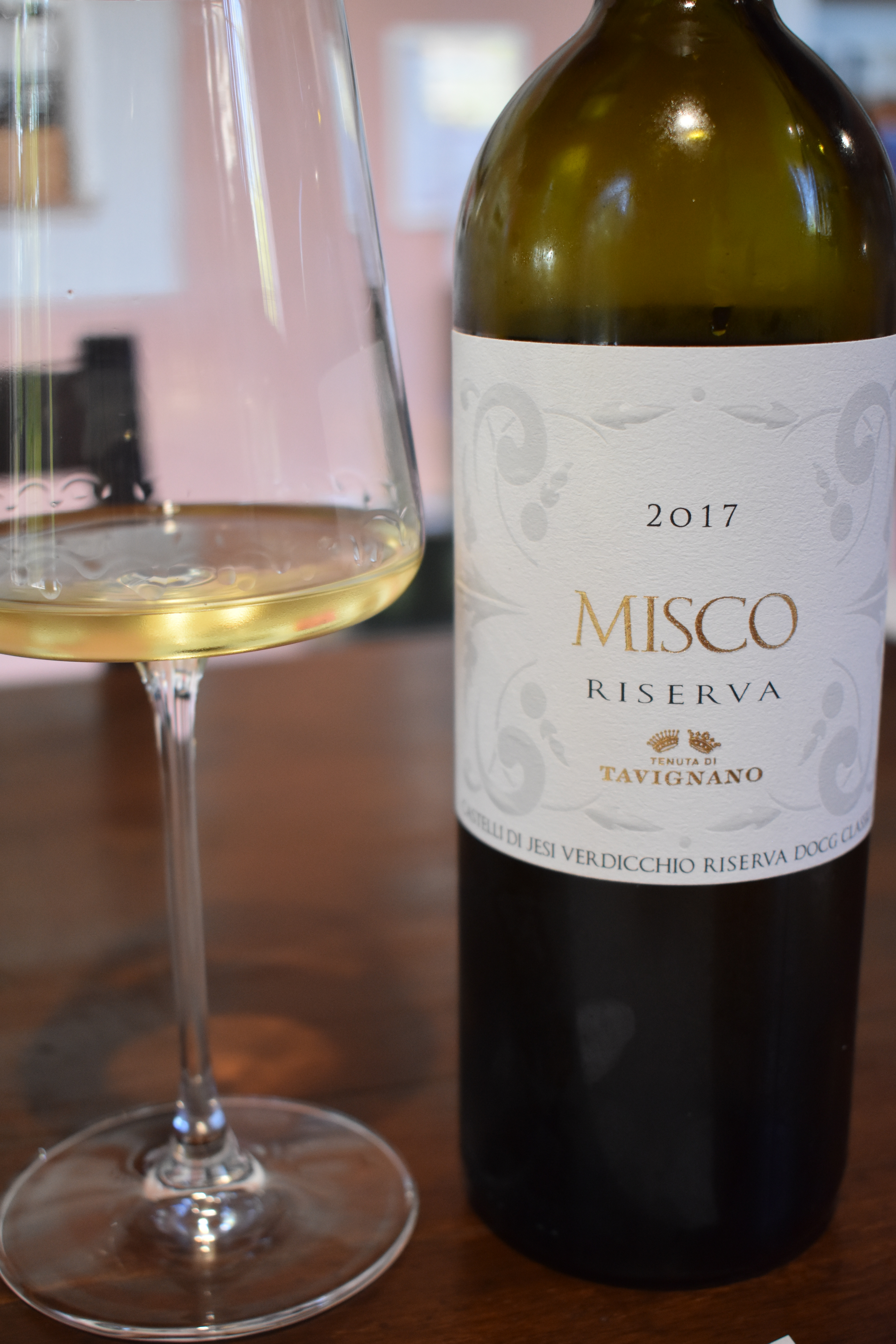 Tenuta di Tavignano is located in a valley above the Musone River which flows between the Apiennes and the Adriatic on Italy’s hamstring.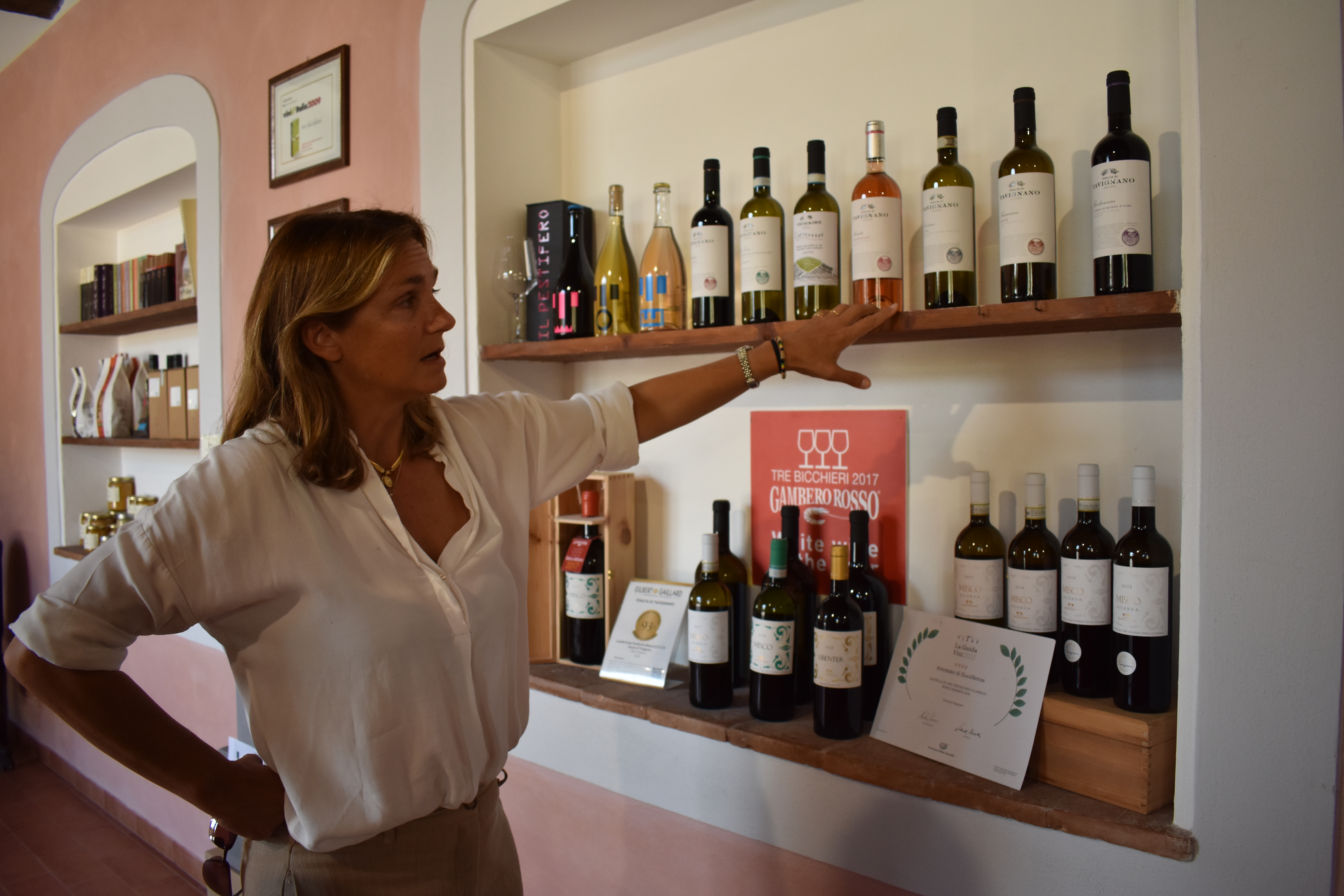
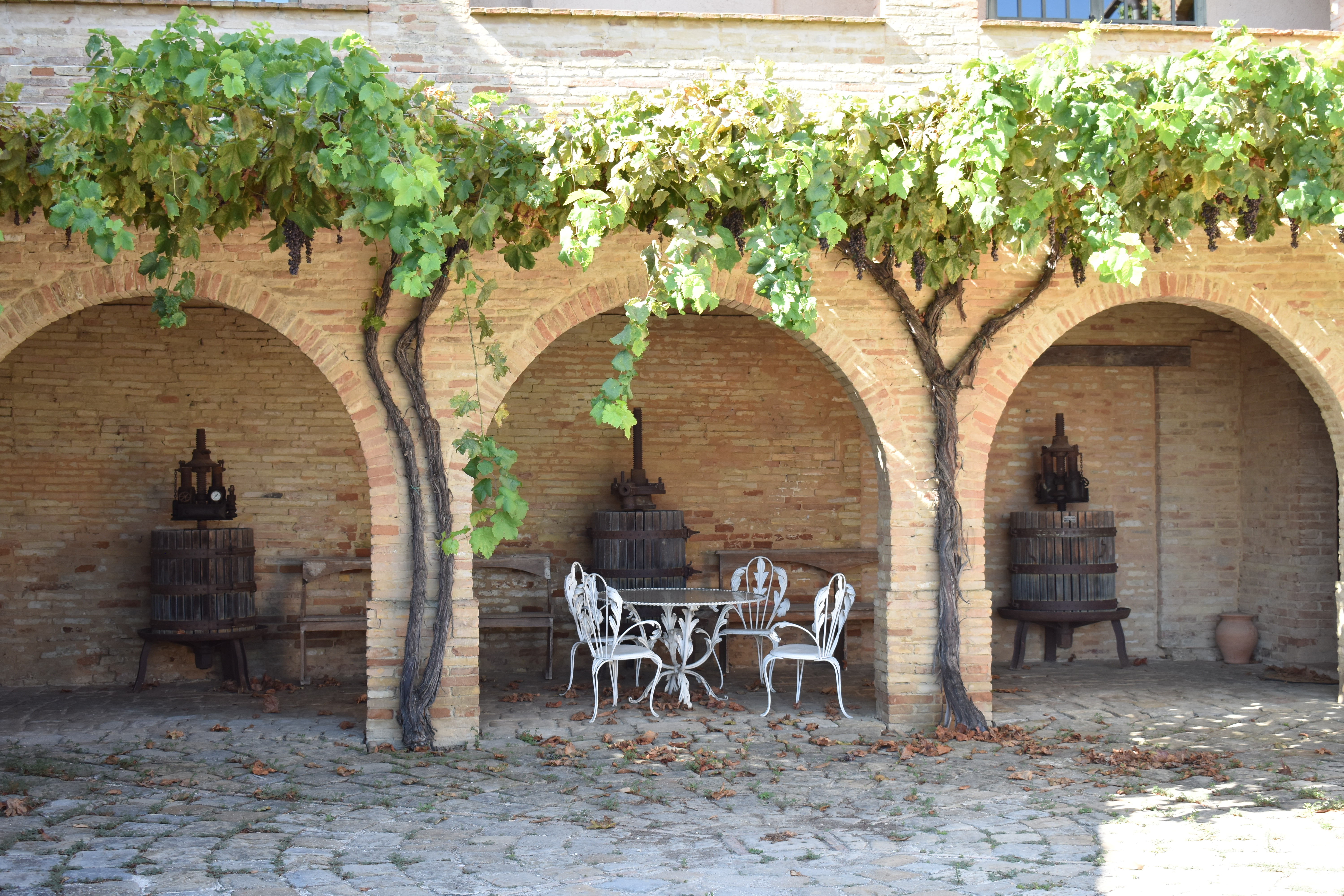
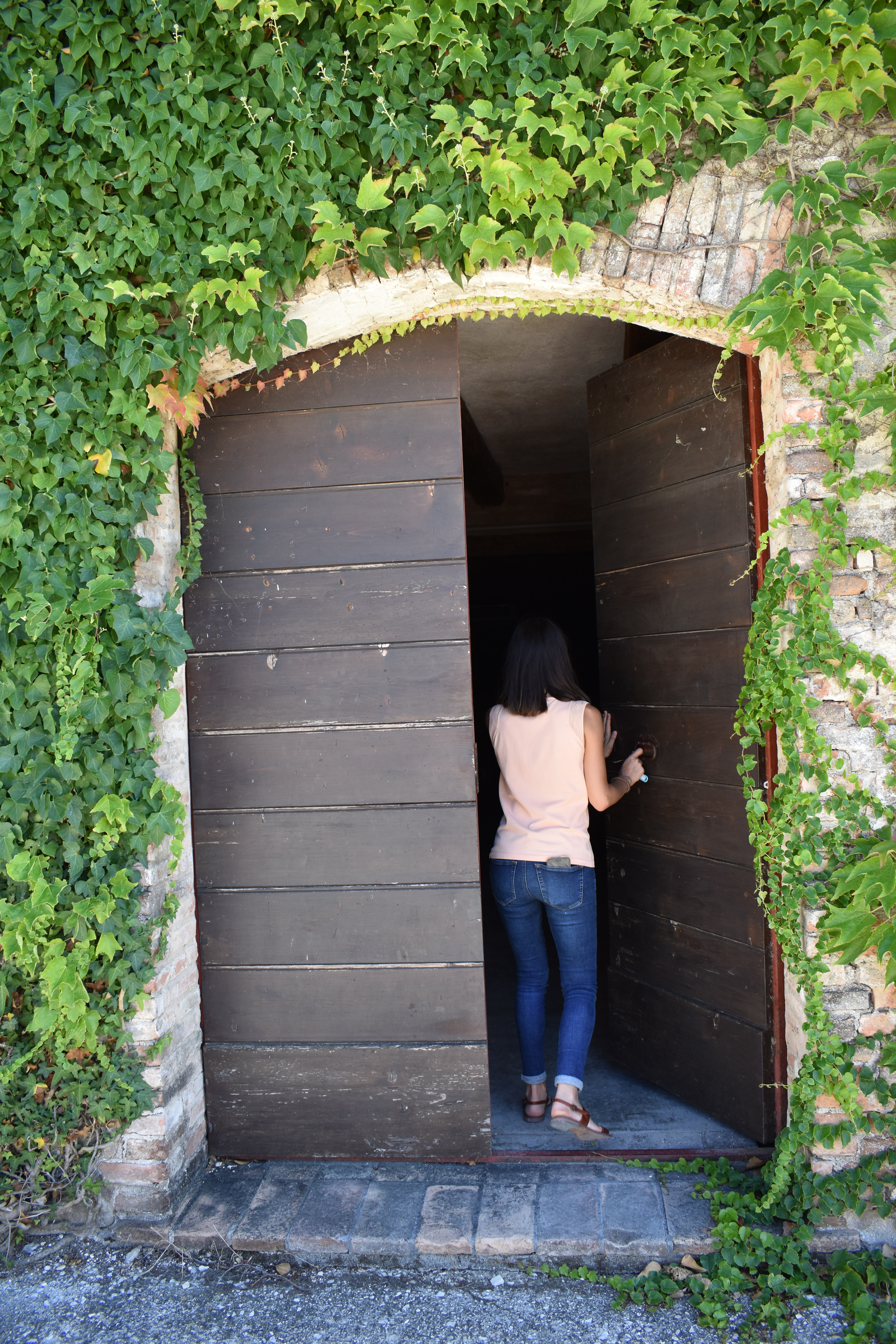 As Ondine remarks, ‘In Italy, wine is our bread. We have the wine, bread and oil at church and this is part of our Italian heritage, our life. It’s our right and we want to make it available to everyone.’
 And this is one of them. The Misco Riserva 2017 is made from handpicked passes over the last, most mature grapes of the harvest. Deep lemon, the nose and palate is all elegance – almond biscotti, white flowers, acacia and anise. The year it spent on lees has built a real beauty with a deeply mineral backbone. Two more years of aging in stainless steel gives the impression of it having spent time in wood, although it hasn’t.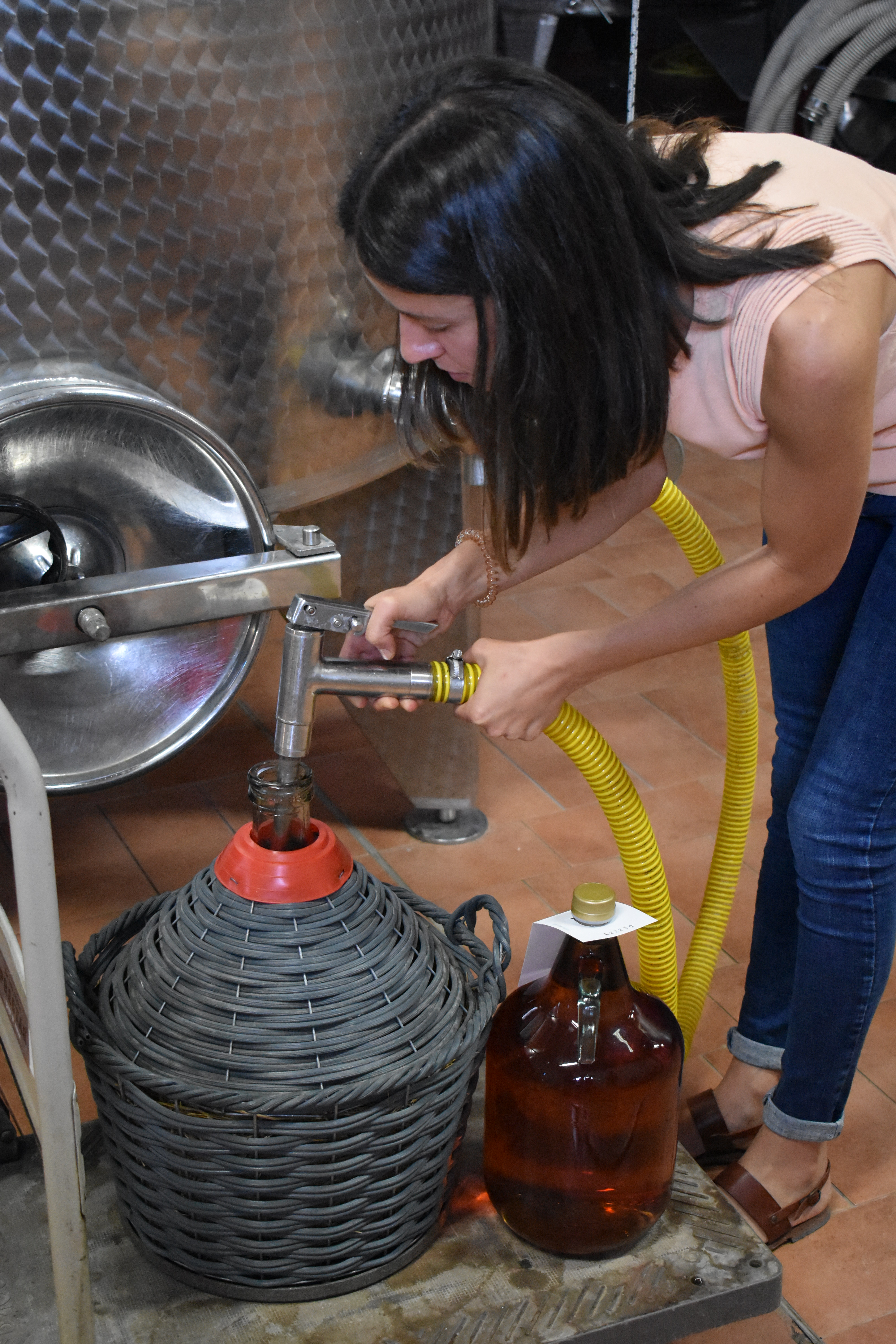
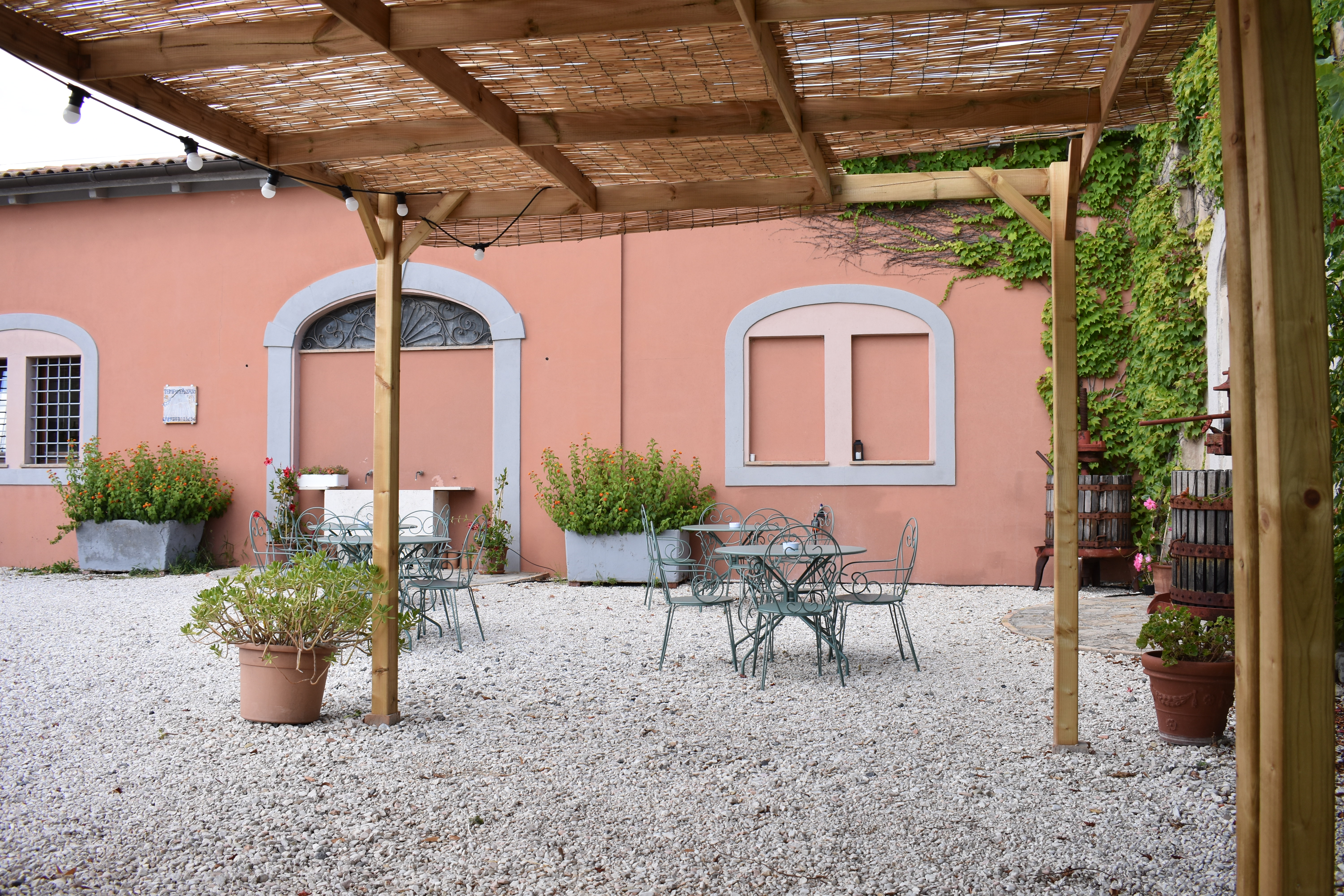 Erica (pictured right).
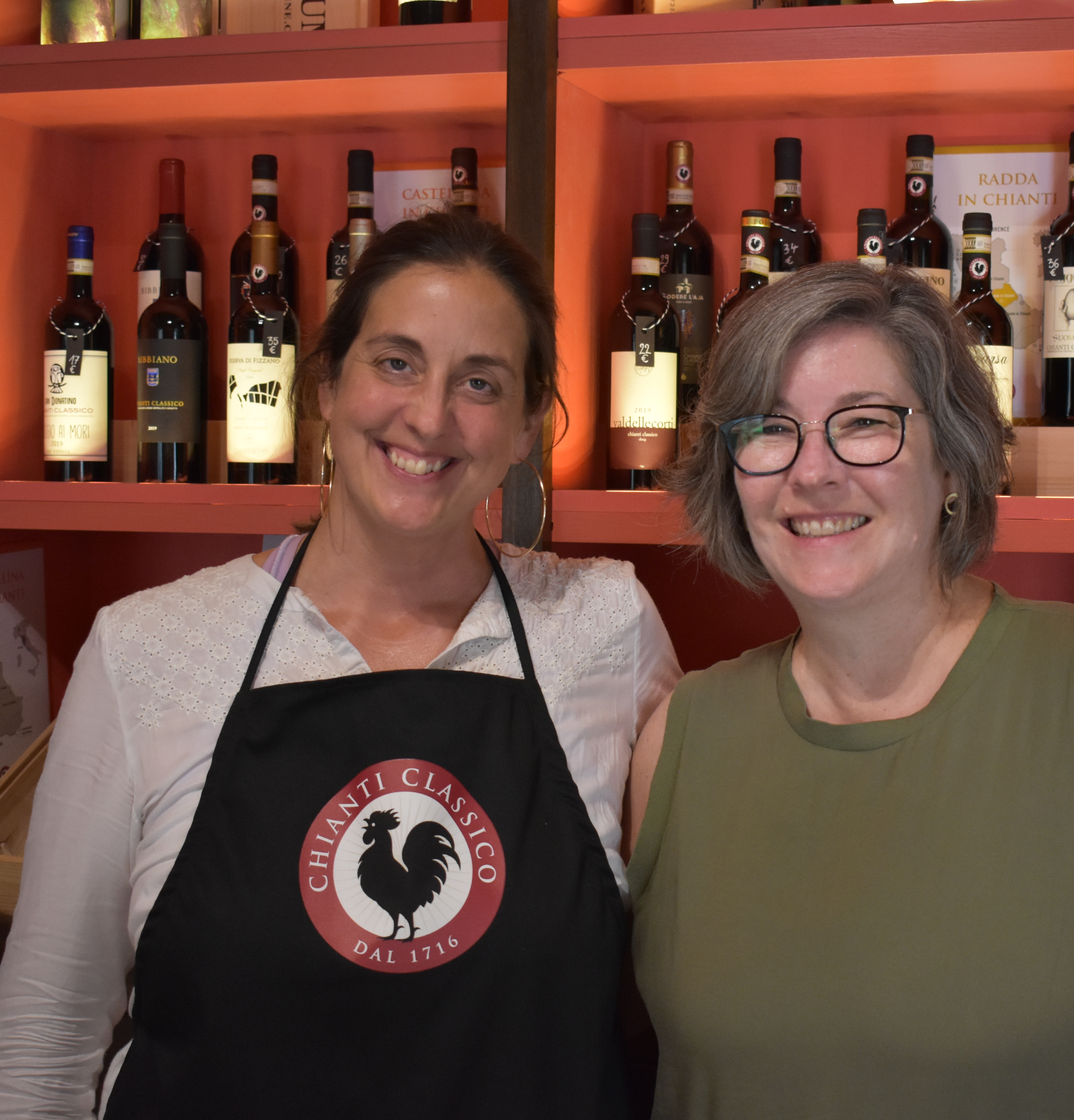 I liked colleagues Melanie and Giuseppe right away. I had booked a premier tasting at the Casa Chianti Classico in Radda to learn more about the structure of Chianti Classico. We connected quickly over a conversation about Canadian fish and chips, wine, and cars.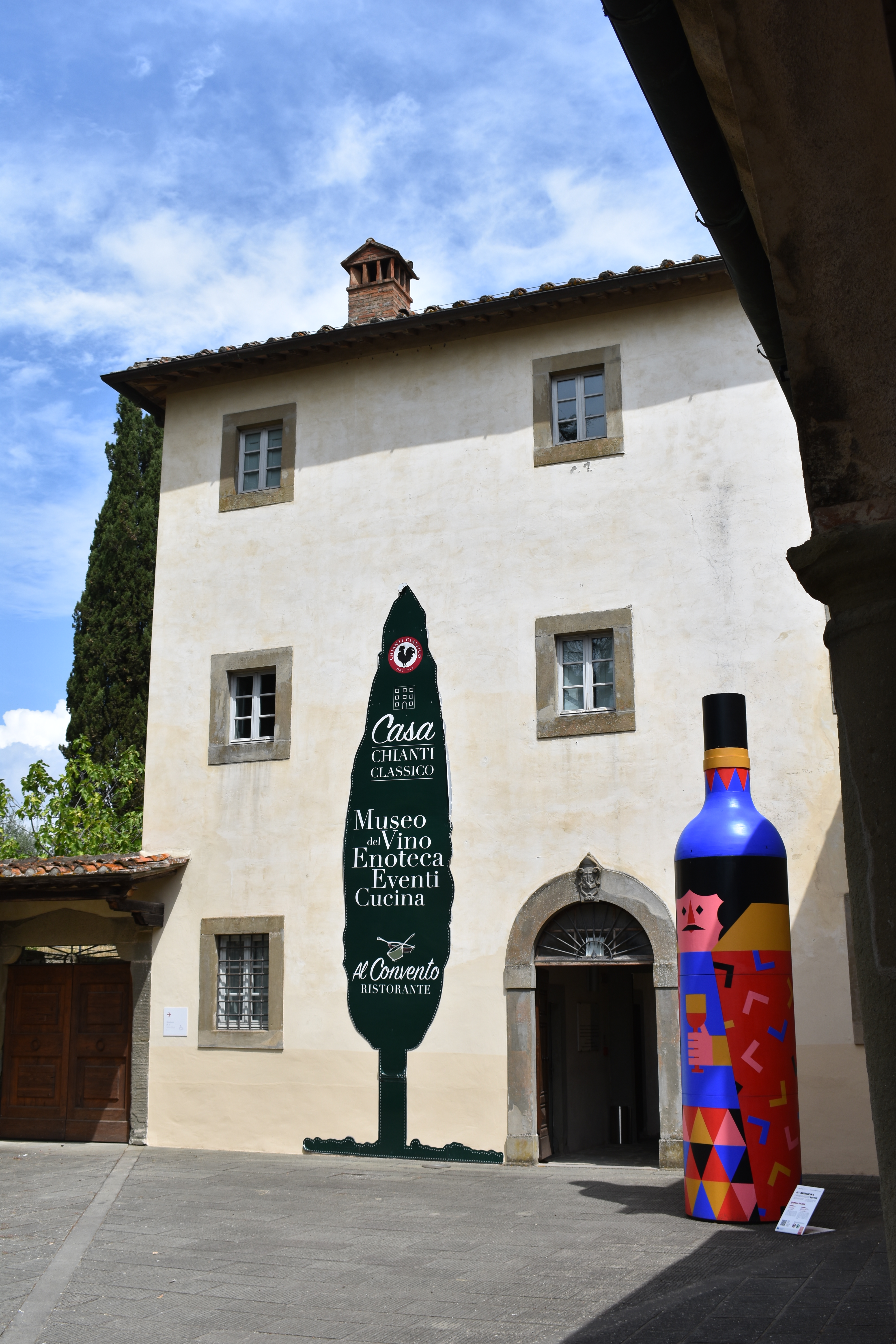
 The Riserva example was Azienda Agricola Casa Emma’s Chianti Classico DOCG, 2018 from Vignalparco, east of Radda – a delicious garnet wine with basalmic prune, cocoa nib, and an elegantly rounded leather structure.
 Castellinuzza e Piuca, Gran Selezione (only made in certain years approved by the Casa Chianti Classico DOCG). This 100% Sangiovese hails from a unique one hectare vineyard located adjacent to a cooling forest near Greve at 600m above sea level. Very few bottles of this single hectare wine were made – and this was the last one at the Casa Chianti Classico.
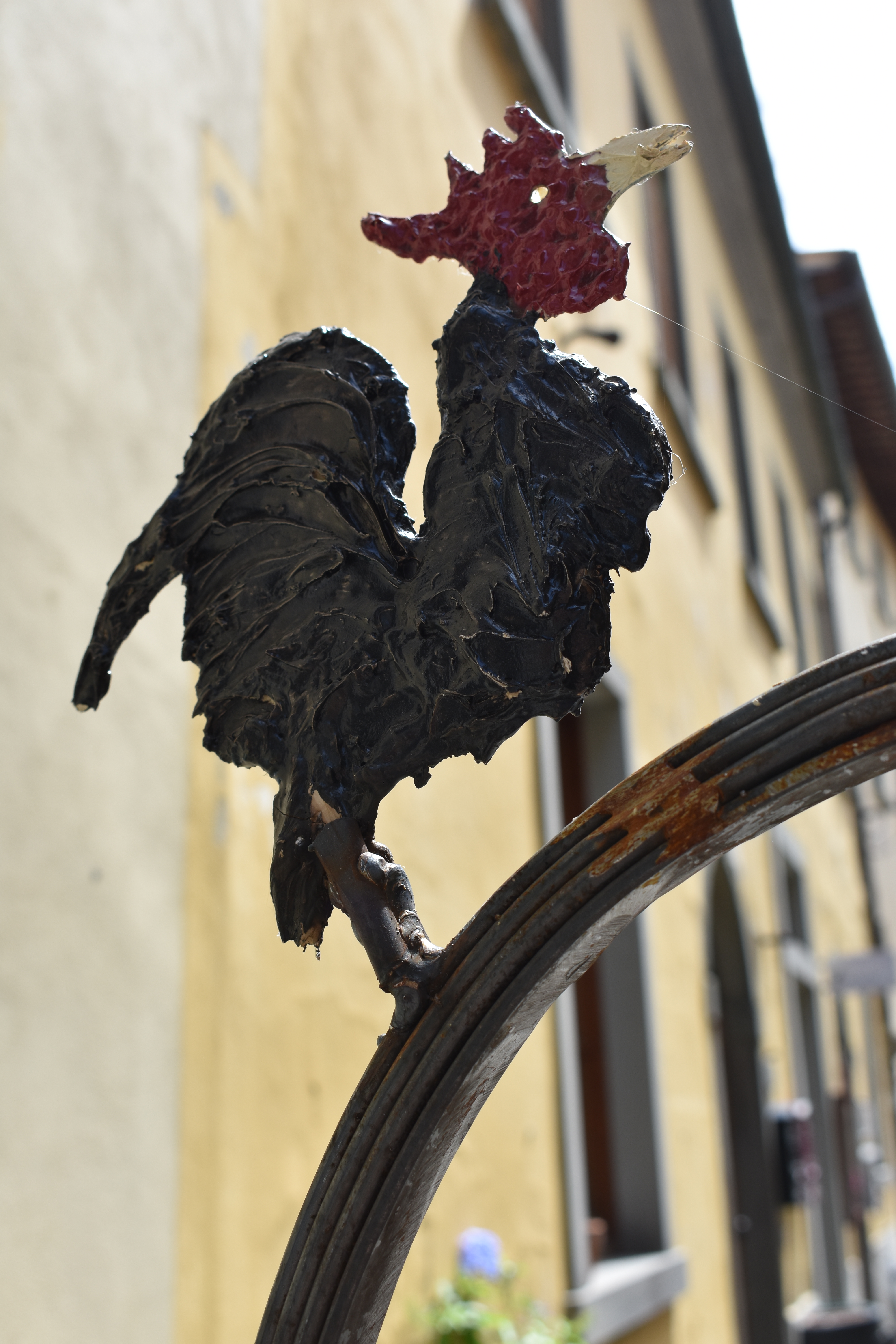 dusty roses and violets, white pepper, truffle, and smoked meat. Its dry palate has high acidity alongside plum, truffle, dried herb, salumi, and a drizzle of bittersweet castagno (chestnut) honey.
  A lengthy finish is complemented by velvety tannins and development remarkable for such a young sample. What might await a lucky drinker in 5, 8 or 10 years?
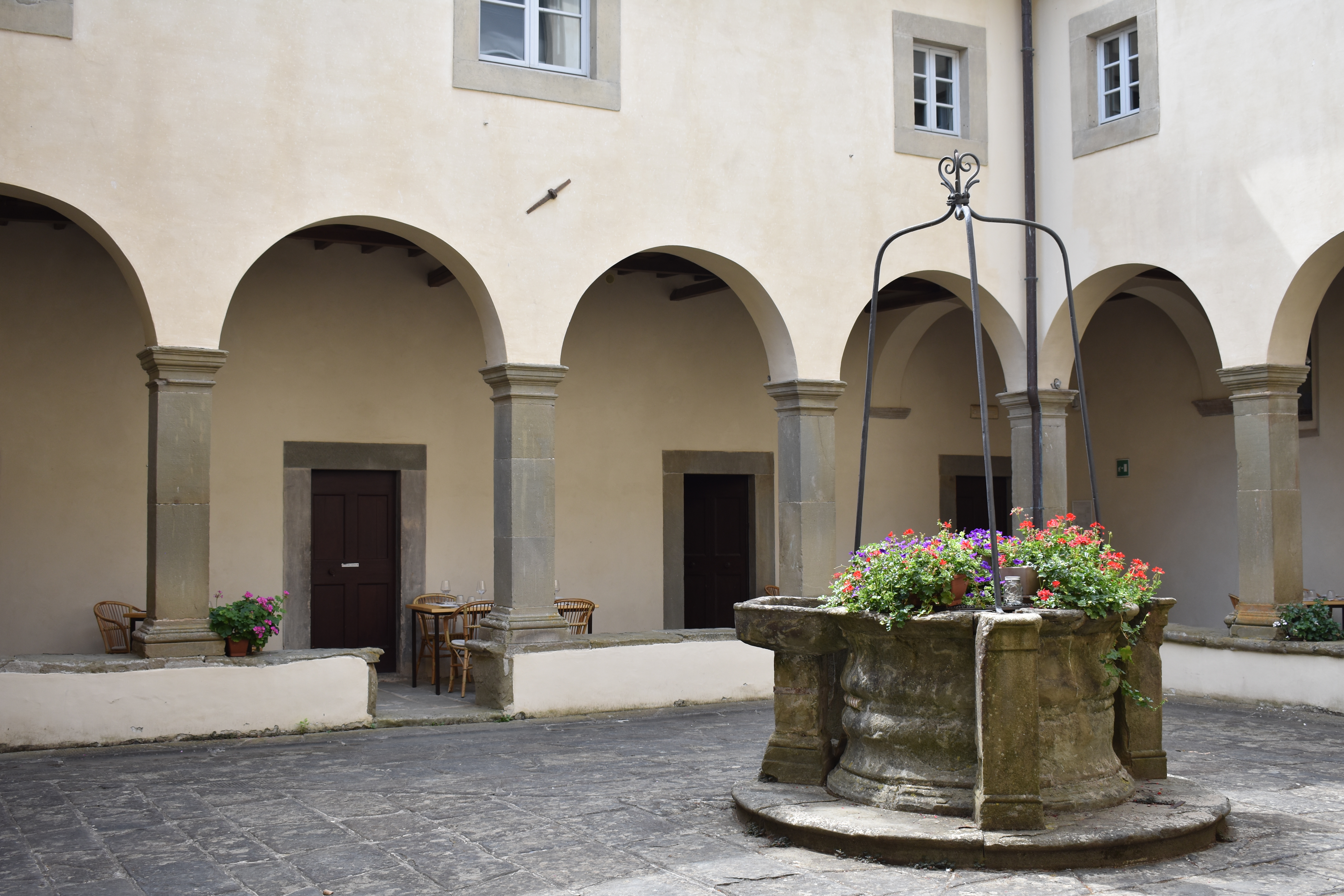 This special tasting was augmented by a delicious charcuterie featuring a Chianti Classico olive oil from corregiolo olives tasting of bitter green grass and ground black pepper.