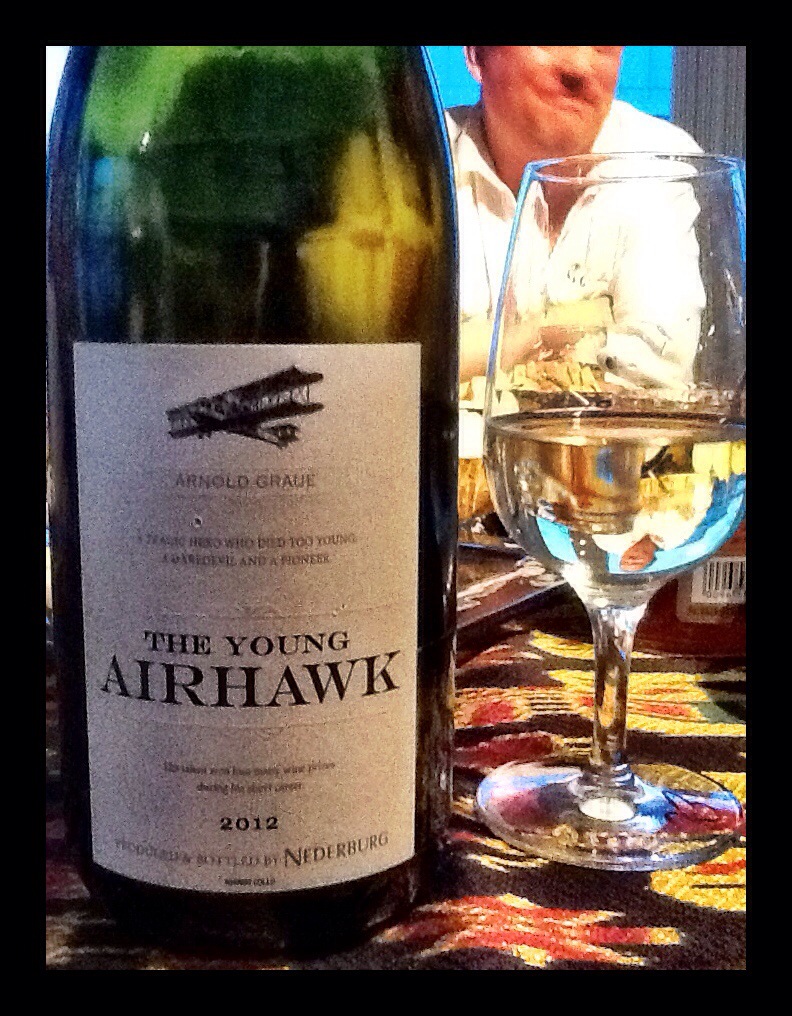
The Young Airhawk, Sauvignon Blanc, Nederburg, Paarl, South Africa, 2012, 14% abv, C$28.00

This wine is grown and produced in Paarl which is part of the Coastal Region, an important wine district located in South Africa.

Located inland from the coastal region of Stellenbosch and the Pacific Ocean, Paarl is the warm home of the KWV (Kooperatieve Wijnbouwers Vereniging van Suid Afrika), the now public company that has shaped and controlled the South African wine industry since its inception in 1918 over the course of two World Wars, the Depression and Apartheid.

With Stellenbosch on its west, it’s bordered by Tulbagh to the north and Franschhoek (or ‘French Corner’ because it was settled by Huguenots) to the east.  It’s less maritime influenced than Stellenbosch with soils ranging from sand to decomposed granite. The cooling influence of the Benguela ocean current cools temperatures inland and makes it possible to grow grapes suitable for crisp and light white wines.

Sauvignon Blanc makes up only 15% of the white cultivars grown in South Africa (the local term used for varieties) compared to 20% for Chenin Blanc (or Steen).  The other white cultivars grown include Colombard, Cape Riesling, Sémillon , Riesling, Gewürztraminer and most of the Muscats.

Sauvignon Blanc styles range from light, crisp and herbaceous through to barrel aged styles with fuller body and nutty, vegetal flavours.  This particular wine is one of the latter examples – clear and bright, it’s pale lemon-green with legs.

The nose is clean and youthful with medium plus intensity and aromas of wood, toast, lemon citrus, light green apple and minerality.

The palate is dry with medium plus acidity and medium body, medium plus alcohol and medium plus intensity with flavours of yellow grapefruit, lemon zest, almond and nut, wood and more toast and very light leaf.  The finish is medium plus.

This wine is WSET Very Good; it has strong acidity that is balanced by the concentrated fruit, some solid complexity, good structure and an average finish.  The wood is slightly strong, but it is the backbone of this style.  Drink now or may be held for up to 5 years.

20140504-224058.jpg

Posted in Sauvignon Blanc, South Africa, WHITE | Tagged , , , , , , , , , , | Leave a comment

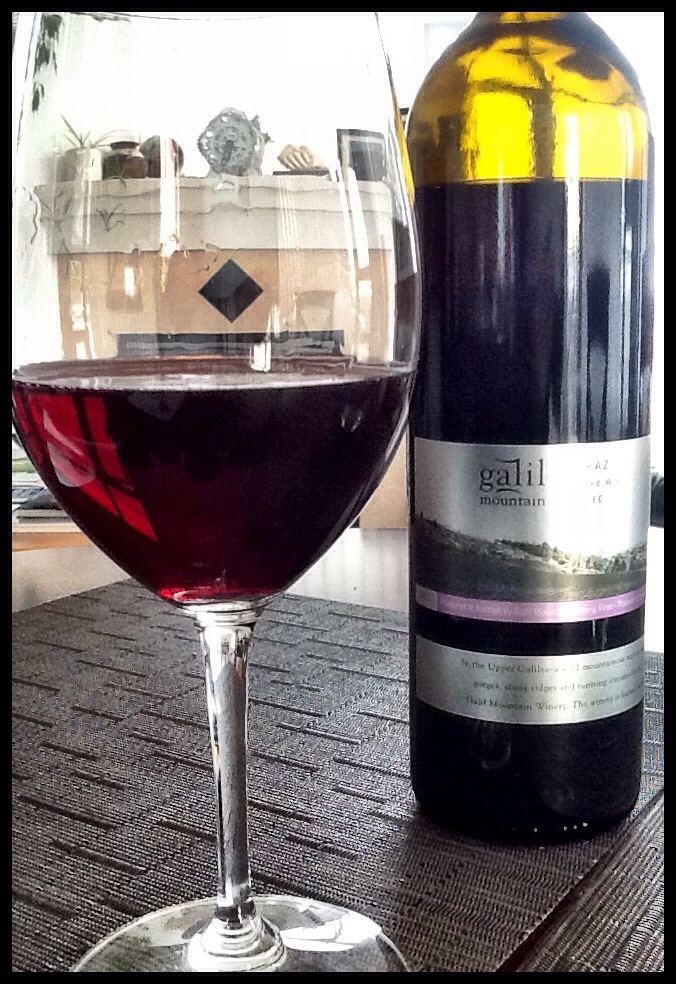
Galil Mountain, Shiraz, Kibbutz Yiron, Galilee, Israel, 2011, 14.5% abv, C$22 (kosher)

Being the cradle of civilization as we know it, it shouldn’t be surprising to learn that grapes and vines have been grown in Israel since biblical times.  In the Old Testament’s book of Deuteronomy, grapes were listed as one of the seven ‘blessed species’ of fruit found in the land of Israel (Deut. 8:8).

Baron Rothschild (of Bordeaux’s first growth Ch. Mouton-Rothschild) is the founder of the modern day Israeli wine industry which grows international grape varieties such as Cabernet Sauvignon, Merlot, Shiraz, Chardonnay, Muscat and Sauvignon Blanc.  There are no varietals indigenous to Israel.

There are a great many co-ops as well as private wineries in the region’s 5 main grape growing areas. The top 3 include Galilee (and the Golan Heights), Samaria and Samson.

Israeli wines have seen a quality revolution since the 1980s when great investments were made in winery equipment and vinification methods. Many of the products meet kosher standards.

This is a kosher wine from Galil Mountain vineyards in Galilee made of Syrah.  It’s clear and bright, has legs and a pretty shade of ruby.  The nose is clean and developing with medium plus intensity and aromas of raspberry, black cherry, some dried herbs (rosemary and thyme) and sweet vanilla.

The palate is dry with medium acidity, medium body and medium ripe dusty, almost flat tannins. The alcohol is high and the wine has medium plus intensity with flavours of more ripe red fruit – raspberry, black cherry, purple plum – light kid glove leather, vanilla and clove.  The finish is just average.

This wine is WSET Good.  The alcohol is slightly heavy and unbalanced on the nose and the body is quite slender while the finish comes up short.  The fruit is fresh, concentrated and elegant, but there is little secondary development.

Serviceable and after several swirls and a little time, the initial alcohol hit thankfully dissipates.  This is a good deal that is drinking now, but it won’t benefit from further ageing.  Meh – it’s wine and it does what it’s supposed to do.

Open a bottle if you can find it (it’s one of those orphans that sits waaaay in the back of the store on a dusty shelf) and enjoy with the first BBQ of the season.

20140502-193838.jpg

Posted in Israel, Kosher, RED, Shiraz / Syrah | Tagged , , , , , , , , , , | Leave a comment

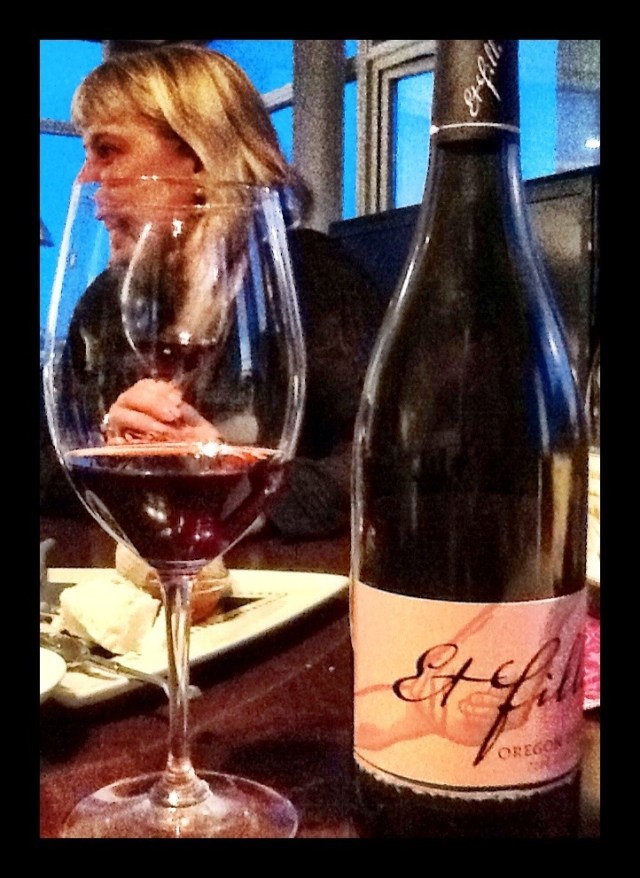
Et Fille, Pinot Noir, Kalita Vineyard, Newberg, Oregon, 2010, 13% abv.

Blind tasting – it strikes fear into the heart of wine professionals and cork dorks alike. We all know someone who seems to have an uncanny ability to pronounce what grape has been used, what country or region it’s from and even what vintage it may have been made in simply after taking a quick sip and sniff of a glass a wine.

But alas, this is not a party trick.  Tasting is different from drinking wine – it’s drinking while paying attention. And most importantly, so your judgement doesn’t become clouded, it must involve spitting. If you’re REALLY going to do a winery tasting or an event properly, you need to spit or within a very short period of time, you’ll be hooped.

Tasting wines blind has to involve a few things – a spit cup, good lighting and concentration along with a pen and some paper. There are 4 major assessments to make – appearance, nose and palate and quality.

For appearance, look at the clarity and brightness, the deepness of the colour and the colour itself. Is it pale, medium or deep? That can indicate the type of vinification method or what country it was made in – cool climate or warmer? Colours range from the palest lemon-greens, golds or ambers all the way through to pinks, salmon, orange or onion-skin roses to red wines with purple, ruby, garnet, tawny or even brown hues. Colour can even tell you how the wine was made – carbonic maceration? Or perhaps free run? Was it fined or filtered? Pressed, racked, pumped over?

Smelling the wine after you swirl it to pass air through it tells you its condition; is it faulted or clean? Do you smell rubber or vinegar or do you pick up a salty tang, fruit or wood? How intense is the aroma? What stage of development is it at? And what aroma characteristics do you pick up? Do you smell fruit, flowers, spices, vegetables, oak or other wood aromas?

The palate considers many options – what level of sweetness does it have? How high or low is the acidity? This will also give you clues as to the type of grape used – Riesling has typically rapier high acidity whereas Pinot Blanc is usually only a medium or lower acidity. If it’s rose or red, what tannin levels are present? Do they make your gums coil or do you have the sensation of sand or dust as the wine passes through your mouth? This can tell you how the wine was made or how old it may be.

The alcohol and body levels will also indicate the type of grape and possibly how the winemaker made it. Is it heavy or light in your mouth? Could it have been aged in cask or stirred over its lees (the dead yeast cells) to give greater mouthfeel and flavour? Is it light and fruity and meant to drink young and chilled?  How intense is the flavour and what characteristics do you pick up? These will usually echo the ones you found when you smelled it. Blueberries are markers for Merlot, blackberry for Cabernet Sauvignon, eucalyptus for reds from Australia and Argentine and even South Africa… cherry and cedar for Pinot Noirs. Rose petals and spices for Gewürztraminer and everything from citrus to apples to pineapples and mango for Chardonnay depending on where it’s from in the world.  How long do the flavours last in your mouth? This will be a strong indication of quality.

Hopefully by this point you’re still swirling the glass and spitting after you take in wine over your palate. And it helps to be writing it down! So, what’s the verdict on this wine?  Is it faulted, acceptable, good, very good or outstanding? Does the wine taste like wine, look like wine and basically do what wine is supposed to do and make you say, ‘Meh’.  Perhaps you’ve you just thrown it down the sink?  Or has it changed your perspective on humanity?

If you haven’t thrown it down the sink, you can consider at this point whether it it suitable for ageing. Over 90% of wines are purchased and consumed on the same day and wouldn’t benefit from time in your ‘cellar’ (for me this means the storage locker). But others will taste better with time depending on how much tannin, acidity and fruit they have. Those elements support development and time and wines that have high levels will be long-lived.

It’s really important if you’re truly assessing a wine that you do so without knowing what the bottle looks like, what kind of wine it is and where it’s from. For that you need an impartial person to prepare the wines and pour them. Even looking at the type of closure (cork or screw cap?) or style of bottle (flute or bordeaux?) will give you hints.

Last night a friend came to help me study.  I had no idea where this wine was from and initially because of the colour and some of the flavours, I thought it was cool climate Syrah, then possibly Grenache. As it opened I realized it was a new world Pinot Noir; initially I was overwhelmed by the fruity field berry aromas and flavours but as it warmed and opened, I realized the cherry and vanilla – a new world Pinot Noir from Willamette Valley.

Clear and bright, medium ruby with legs, on the palate it’s clean with medium plus intensity and aromas of fresh fruit, field berry blend, ripe strawberry, cherry and vanillin. The palate is dry with medium plus acidity, beautifully medium ripe dusty tannins, medium plus body and flavours of plum, field berry, cherry, clove, light leather and sweet vanilla. An average finish rounds it out.

WSET Very Good wine; drinking beautifully now and not suitable for further ageing -the tannins are absolutely perfect.

Even after years of wine courses and thousands of dollars invested, I didn’t get this lovely wine on the first go. There are stories of winemakers not recognizing their own wines on blind tasting panels. And of course, the best blind wine story is the Judgement of Paris. So, throw caution to the wind, get a bottle and stick it in a paper bag.

Enjoy the wine, spit if you must.
20140426-083925.jpg

Posted in Oregon, Pinot Noir, RED | Tagged , , , , , , , , | Leave a comment

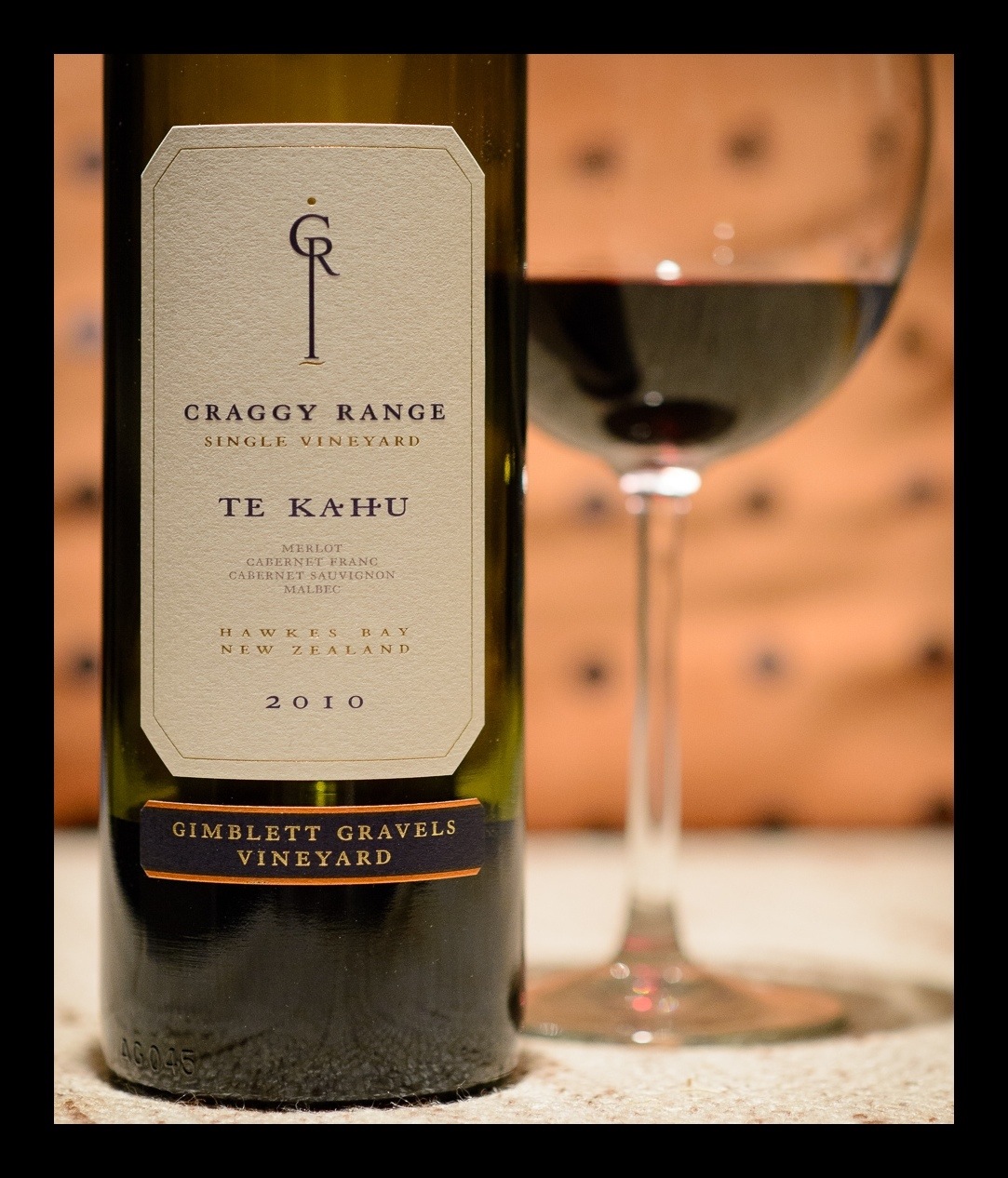
Craggy Range Single Vineyard, Te Kahu, Hawkes Bay, Gimblett Gravels, New Zealand, 2010, 13.5% abv.

Gimblett Gravels – try saying that 10 times over after a few glasses of wine. The area is renowned for its Bordeaux blends.

Located in Hawkes Bay on the eastern side of New Zealand’s North Island, Gimblett Gravels is a rarity in the New World. Its 800 ha are demarcated completely in accordance with the deep gravelly greywacke soils that lie there. It’s rare to find a New World viticultural region so utterly dependent upon terroir.

Almost unbelievably, the area was not planted until 1981 when the first 20 ha went in. There are some limestone hills in the region that no one has yet planted but the Gimblett Gravels is located at about 30m and the 800 ha are devoted to mostly Bordeaux varieties, some Syrah and 10% whites.

The area is located no more than about 15 km away from the ocean which affects the weather in the region and keeps it slightly cooler than other parts of Hawkes Bay.

The Te Kahu is a single vineyard product and a blend of 80% Merlot, 8% Cabernet Franc, 8% Cabernet Sauvignon and 4% Malbec. It is clear and bright, medium purple and has legs.

The nose is clean and developing with medium plus intensity and aromas of ripe fruit including blueberry, black cherry and strawberry, clove, vanilla and cedar frond.

The palate is dry with medium plus acidity, medium alcohol, medium ripe grainy tannins and medium plus body with medium plus intensity and flavours of more plush blueberry, deeply ripe strawberry, black cherry and damson plum with baking spice including vanilla. The finish is medium plus.

This wine is WSET Very Good; velvety tannins are balanced with the acidity and alcohol and the medium plus intense fruit is complex with the promise of further development. Drink now and is suitable for short ageing.

20140420-211649.jpg

Pic Credit, Mike Woods Photography

Posted in Cabernet Franc, Cabernet Sauvignon / Blends, Malbec, Merlot, New Zealand, RED | Tagged , , , , , , , , , , | Leave a comment

Emotivo, Prosecco DOC, Veneto, Italia, 11% abv.

When it burst onto the international scene post WW2, Prosecco was called the ‘poor man’s champagne’.  There’s nothing poor about this Prosecco.

Produced from Glera grapes, the Emotivo is clear and bright, pale lemon with a delicate and long lasting mousse. The nose is clean and youthful with light intensity and aromas of lemon zest, white grapefruit, pomelo and yellow apple.

The palate is ever so slightly off dry with medium plus acidity, medium body, medium minus alcohol and medium intensity with flavours of lemon drop, lime rind, pomelo and hazelnut. The finish is medium plus.

This is WSET Good Plus delicate fruit composition and mousse with a solid finish and refreshing acidity.  Drink now; not suitable for ageing.  Enjoy as we did with hors d’oeuvres.

20140419-230549.jpg
Pic credit, Mike Woods Photography

Posted in Glera, Italy, Prosecco, Sparkling Wine, WHITE | Tagged , , , , , | Leave a comment

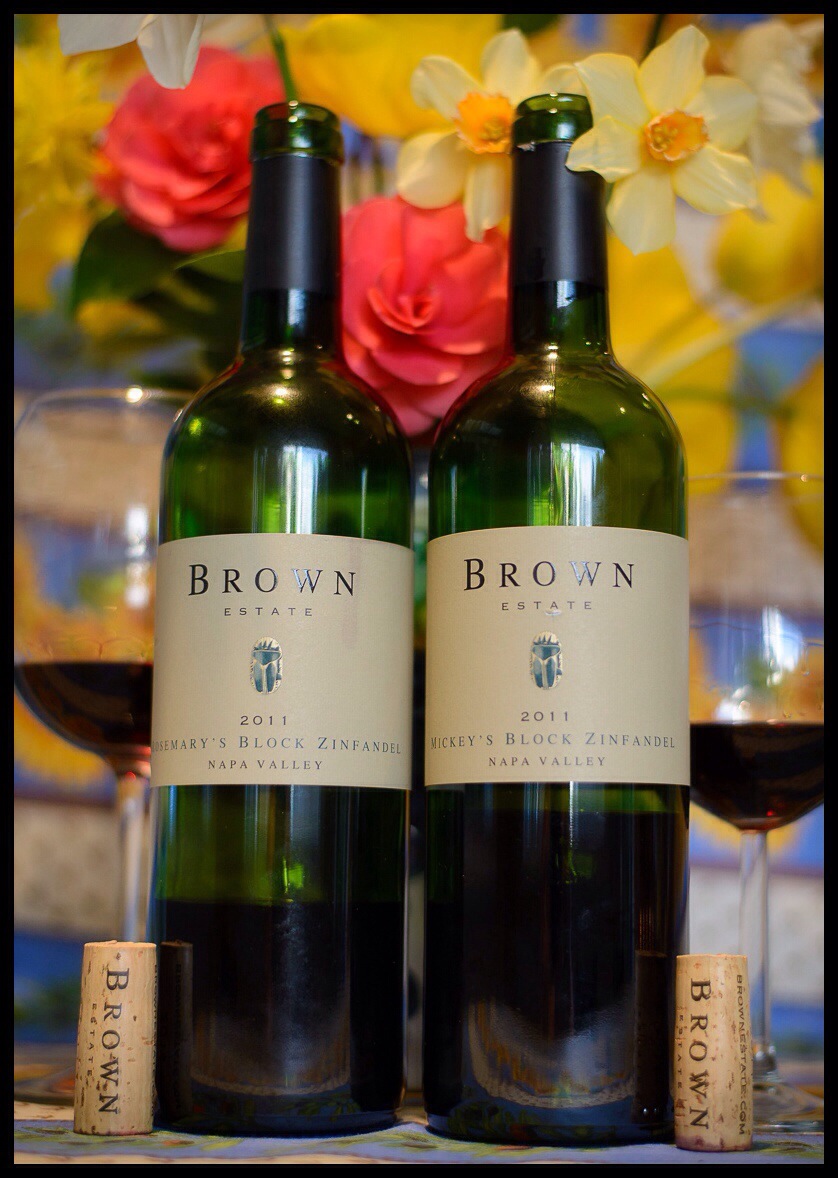
Zinfandel, Mickey’s Block, Brown Estate, Chiles Valley, Napa Valley, California, 2011, 15.2% abv.

Oh Mickey, you’re so fine. You’re so fine, you … know the rest.

Meet Mickey. We’ve held onto this Zinfandel wine for a year now to see what a little time in the bottle would do to it.  It’s hard to see how it could become any better.

Zinfandel is the same grape as Primitivo (from Puglia, Italy) and Crljenak Kastelanski (from Croatia). The name Primitivo is said to have happened when a monk noticed these particular vines ripened before the others – hence the meaning, ‘first to ripen’.

This version hails from the hills located directly west of Napa Valley’s Silverado Trail in Chiles Valley.  Zin didn’t start off with the best of reputations in California where it was formerly produced as ‘white zin’, essentially a jug wine (aka plonk), sweet and light pink and made for easy drinking.

This version has nothing to do with the white zins of yore.  This is seriously complex and layered red wine.

The Mickey’s Block is a shade of ruby with a nose of developing medium plus intensity and aromas of deep plum, black cherry, light tar, tobacco, nutmeg, clove and cedar.

The palate is dry with medium plus acidity, medium plus intensity, somewhat high alcohol and body with ripe and velvety tannins.  The flavours mimic the nose offering black cherry, cigar box, tobacco leaf, nutmeg, clove, light black licorice and a long finish.

This is WSET Very Good Plus; beautifully concentrated fruit, well balanced with the alcohol (surprisingly as it’s over 15%) and fully developed complexity.  Drink now; not necessary to age further – the tannins are velvety smooth and the acidity is still strong, but it’s unlikely to improve with further time in the bottle.

This wine is as rare as hen’s teeth. I was only able to get it by visiting the winery in located.  If you can find it, hoard it, eventually drink and enjoy it.

20140419-225712.jpg
Pic credit, Mike Woods Photography

Posted in California, RED, Zinfandel | Tagged , , , , , , | Leave a comment

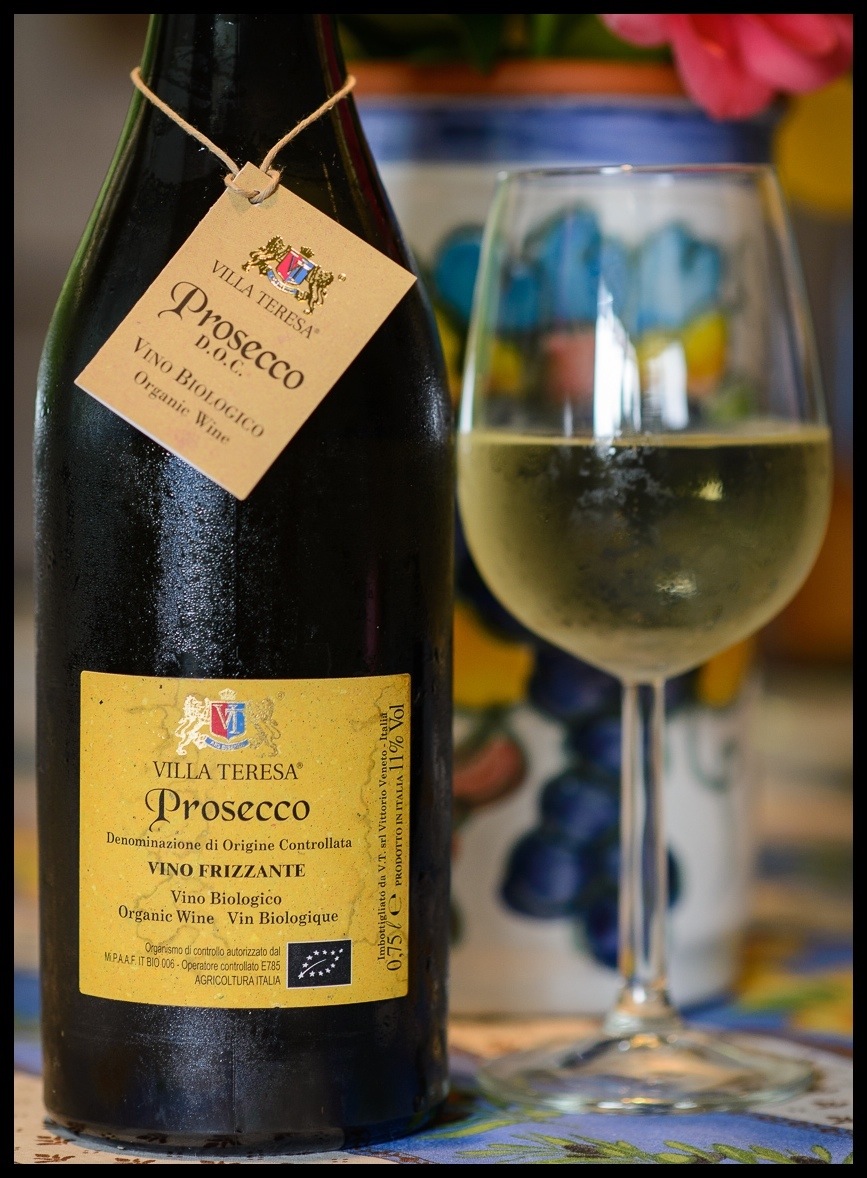
Villa Teresa Prosecco DOC, Vino Frizzante, Vino Biologico, Friuli, Veneto, Italia, 11% abv, C$17

The Italian sparkling wine Prosecco is so popular in North America and throughout Europe, it has risen to the number one market share spot for sparkling wines in many markets and even bumped out Champagne. In 2010 alone, sales of the lightly off dry bubbly skyrocketed 266% in Canada.

Whereas we used to be inundated with Pinot Grigio, now we deal with seas of Prosecco. Even the Beastie Boys have sung about it (‘Sip on Prosecco, dressed up in tuxedo’).

That said, it’s not all negative – there are some affordable and lovely bubblies available and with spring and summer approaching, we tried a few this Easter. Just so we could be prepared… you know.

The Villa Teresa is produced with Glera grapes and is clear and bright, medium lemon with legs and a lightly aggressive mousse. The nose is clean and youthful with light aromas of lemon, lime zest and green apple.

The palate is lightly off dry with some acidity and low’ish alcohol.  Flavours are subtle – yellow apple, grapefruit, lemon and lime.

WSET Good – the light aromas and flavours are delicate and refreshing but not complex and the finish is average.  A light and refreshing accompaniment to appetizers. Drink now; don’t age.

20140419-174329.jpg
Pic credit, Mike Woods Photography

Posted in Glera, Italy, Prosecco, Sparkling Wine | Tagged , , , , , , | 3 Comments

Pinot Noir, Alexana, Shea Vineyard, Willamette Valley, Oregon, 2010, 13% abv.

Pinot Noir is a red grape renowned for it’s picky nature. Difficult to grow even under the most ideal conditions, it nevertheless is one of those varieties most winemakers yearn to produce a wine from at some point in their careers.

Its homeland is in Burgundy, but in the New World, it has been successfully grown and produced in several places including Oregon’s Willamette Valley. Located just south of Portland on the west coast of the US, the Willamette Valley is famous for it Jory loam soils and its Pinot Noir.

This finicky grape demands a perfect climate and growing conditions. It has lower pigments and tannins than other red grapes and origins that date back over 2000 years. The Willamette offers a continental climate with maritime influence from the Pacific Ocean. The diurnal shift here is significant and allows the grapes to retain high acidity as a result of cool evenings and cool maritime breezes during the warm days. There is plenty of rain but at the right times of the year and the summers are long and very warm.

Especially prone to spontaneous mutations in the vineyard, Pinot Noir has many different clones for growers to chose from. Most vines grown in the Willamette these days are Dijon.

Pinot Noir buds early and as such is susceptible to spring frost and coulure. Its skins are quite thin, making it prone to mildew and rot and it’s also prone to viruses such as fanleaf and leafroll. I know – you’re thinking, ‘Wow – what a catch!  Why bother?’

Well, truth be told, when grown in the right conditions, with the right yields and vinified carefully, it is capable of producing some of the most interesting and elegant wines in the world.

There are only about 7,600 ha growing in Oregon (compared to 26,300 in France and 24,000 in California), but those hectares are attracting some serious interest among buyers. The area was initially established by growers including David Lett from Eyrie and Dick Erath (Erath Winery) and eventually others moved in. The Drouhins from Burgundy were the first from the Old World to agree regarding the area’s potential. Large companies have moved in recently from California and things are likely to change significantly in the Willamette as a result of this interest.

Alexana is located in the Red Hills and the grapes are grown at about 200m. This wine is a shade of ruby with developing, medium plus intensity and aromas of cherry, cedar frond, raspberry, tobacco leaf and leather as it opened.

The palate is dry with juicy acidity, a medium body and medium ripe, velvety tannins.  The flavours show red cherry, crunchy pomegranate, raspberry, cedar, clove, earth with minerality and leather. The finish is quite long

This wine made by Lynn Penner-Ash is WSET Very Good Plus. Fruit forward, crunchy and fresh, as it opened up it showed increasing leather and complexity. Drinking now and with the tannins and strong acidity, is suitable for ageing.
Credit Mike Woods Photography

20140418-220658.jpg

Posted in Oregon, Pinot Noir, RED | Tagged , , , , , , , , , , , | Leave a comment

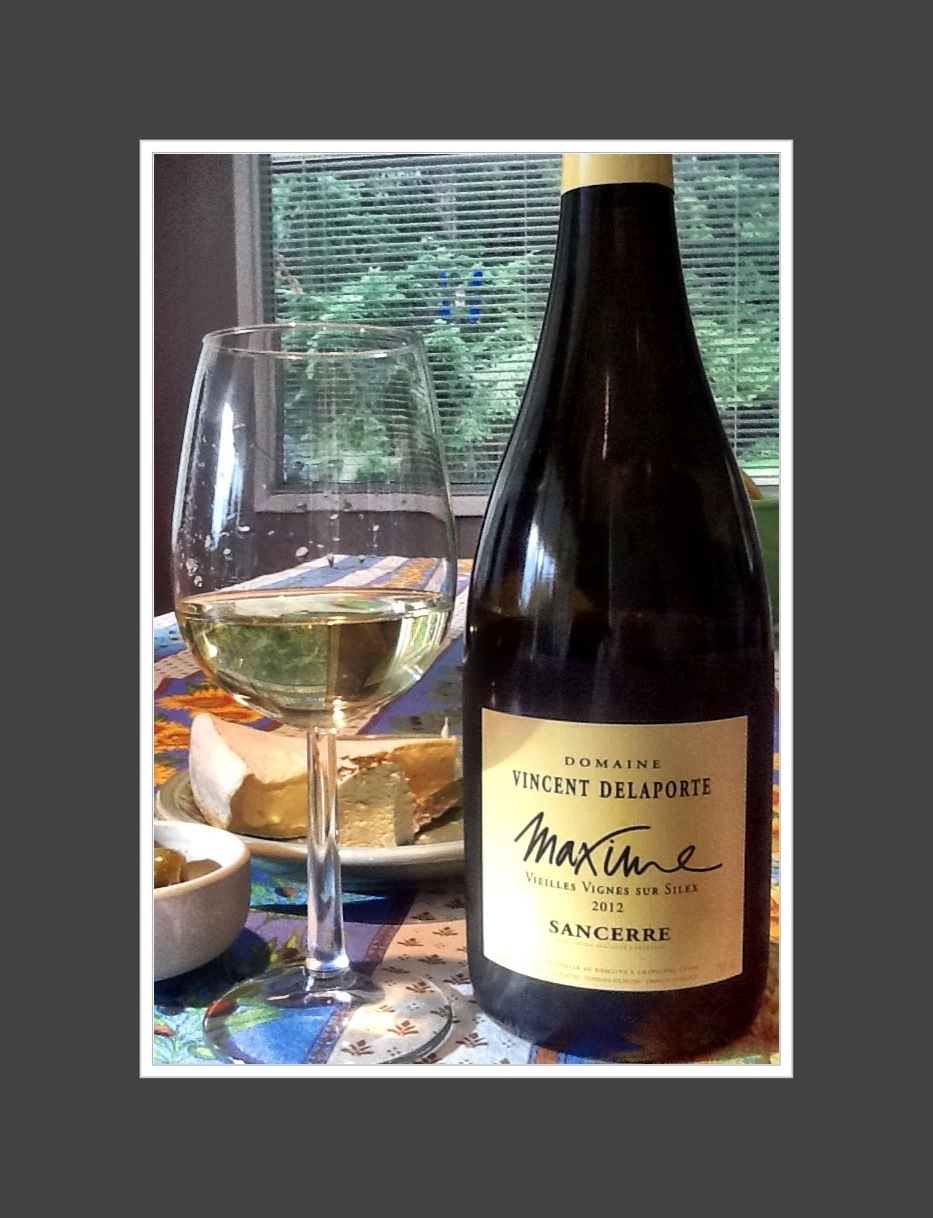
Domaine Vincent Delaporte, Maxime, Vielles Vignes sur Silex, Sancerre AC, France, 2012, 13% abv.

France’s Loire Valley boasts four main regions – the Nantais located on the eastern Atlantic coast, Anjou-Saumur inland, the Touraine where the maritime meets a continental climate and the furthest inland region, the Central Vineyards.

Sancerre is located in the Central Vineyards on the Loire River and is the homeland of racy, pungent Sauvignon Blanc wines.  It’s blessed with excellent topography and drainage as a result of its Kimmeridgian soils – limestone-based, most similar to those of Chablis and the result of marine fossils from a late Jurassic Era inland sea. The Sancerre hills have plantings at 200-400m and are mostly south and southeast facing.

This region has a purely continental climate and often experiences spring frosts. The vines are cordon or guyot trained and growers must work hard at keeping yields low, debudding and deleafing so that their Sauvignon Blanc wines don’t become overly herbaceous.

The Domaine Vincent Delaporte is a shade of medium lemon with a nose showing youthful and medium plus intense aromas of gooseberry, leaf, grapefruit, pomelo and wet rocks.

The palate is dry with refreshing acidity and flavours of green grass and leaf, more gooseberry, green apple, citrus and minerality.  The finish is medium plus.

This wine is WSET Very Good; strong acidity is balanced by a concentrated yet delicate fruit profile and minerality.  Drink now; not necessary to age.

20140418-180312.jpg

Posted in France, Sauvignon Blanc | Tagged , , , , , , , , , | Leave a comment

Muga, White, Rioja DOC, Spain, 2012, 13% abv.

Spain recently cracked the code – its wine production numbers surged last year (2013) to make it the world’s largest wine producer. It has officially surpassed second place Italy and (gasp) the French came in at paltry number three.

More than half of that wine was produced in central Castilla-La Mancha which boasts the most extreme climate of Spain with long, cold winters and extremely hot summers. It’s said to have nine months of winter and three months of ‘hell’.

This wine, on the other hand, hails from the north central region of Rioja, Spain’s leading and most renowned wine region.  Named after the River (Rio) Oja that runs through the area, they’ve been making wine here since the time of the Romans and Moors. It’s well protected by the Cantabrian Mountains and there are three main zones – Rioja Alta, Rioja Alavesa and Rioja Baja – the first two boasting the best chalky limestone-clay soils.

There are 7 grapes generally allowed – for reds, Tempranillo, Garnacha, Mazuelo and Graciano and for whites, Viura (known as Macabeo or Macabeu everywhere else), Malvasia and Verdejo. Only 10% of Riojan wines are white and this one is a blend of 90% Viura with 10% Malvasia.

The Muga is joven or unaged and a shade of medium lemon with legs. On the nose it’s a developing wine with medium intensity and aromas of creme brûlée, lemon drop, hazelnut and almond with a light Sherry overtone.

The palate is dry with medium plus acidity and flavours of lemon zest and white grapefruit, white peach, more hazelnut and almond, light toast and a medium plus finish.

This wine is WSET Very Good; the fruit concentration is well balanced with strong acidity and not overwhelmed by the oak barrica treatment that offers a nutty hint and aroma of Sherry to the wine.  Drink now or it is also suitable for ageing.

Photo credit, Mike Woods Photography

20140418-181814.jpg

Posted in Malvasia, Spain, Viura / White Rioja | Tagged , , , , , , , , , , , , | Leave a comment