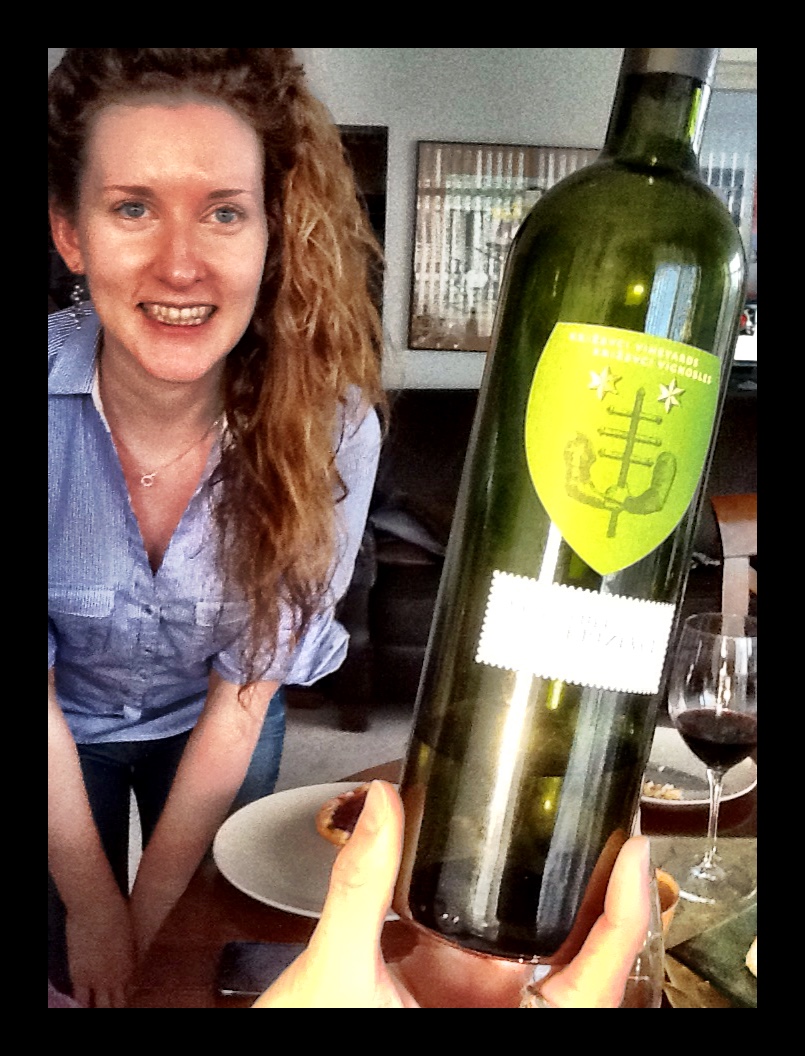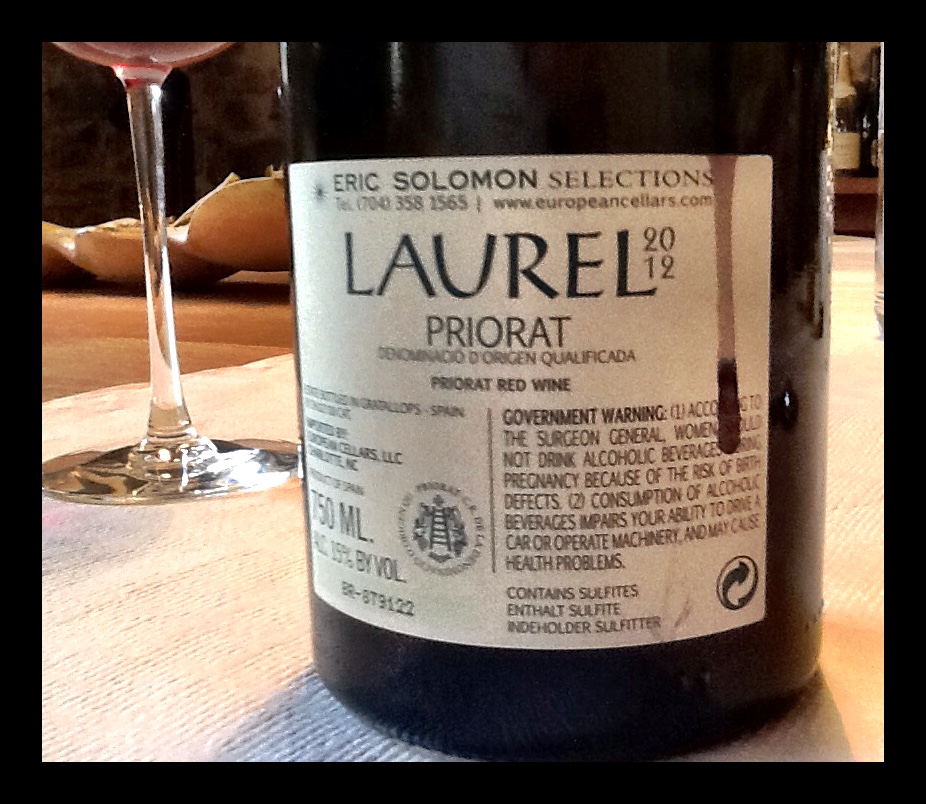
Mas Doix, 1902 Centenary Carignan, Priorat DOQ, Spain, 14.% abv,

doix 5doix 3It’s hard not to notice – there seems to be a higher-than-average number of female winemakers in Priorat, Spain.  I mean, a four day tour of the region is hardly enough to prove anything statistically, but of the seven wineries we visited, three had women working as their enologa.

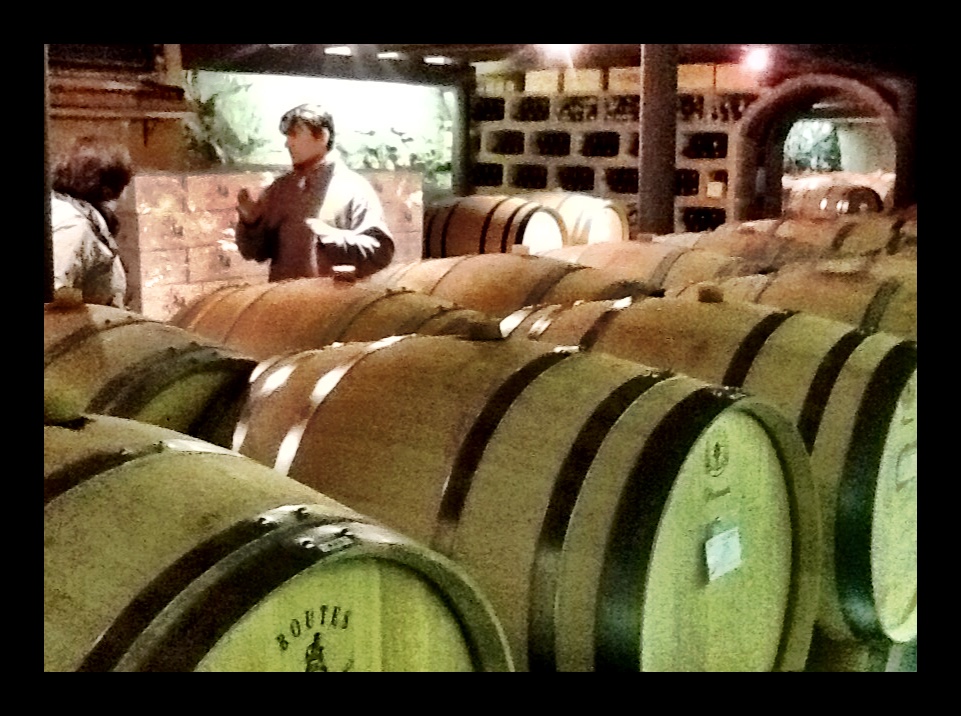
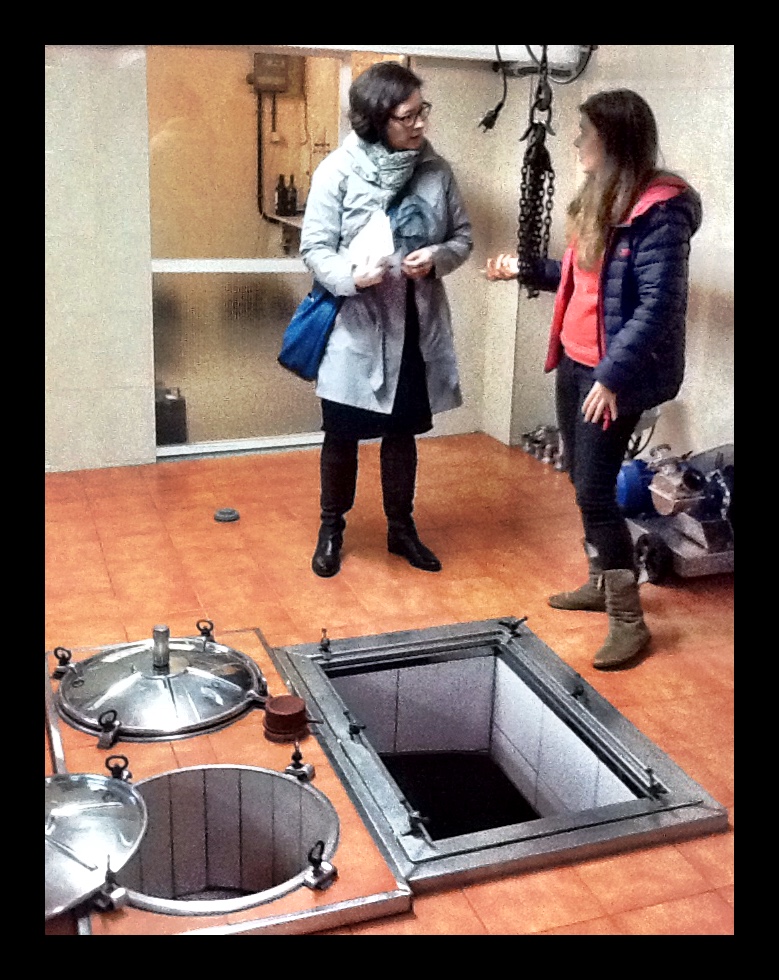
‘We are a little bit sexist here in Priorat, you know,’ joked Sandra Doix of Mas Doix (pronounced Mass Dosh) when we asked her about our perception.  Sandra fell in love with wine and this work – which is not terribly surprising as she grew up inside and around it – and attended the University of Tarragona enology program with colleagues from Vall Llach and Sangenis i Vacque.

Sandra Doix, the 6th generation of her family to make wine in Priorat – with cousins the Llagosteras – at Mas Doix, has just returned from maternity leave.  With any luck, there will be yet another enologa to continue the family’s efforts in about 18 years.

We tasted all available wines including the Les Crestes 2013 (Robert Parker gave the 2012 a 94 and the 2010 a 92), Salanques 2011 and the Doix 2010 (rated 93 by Stephen Tanzer and 17.5 by Jancis Robinson), but the piece de resistance was the 1902 Centenary Carignan from 2010.

doix 1Yes, it’s named 1902 because the vines were actually planted in 1902.  This wine is made of 100% Carinenya (Carignan) grapes from vines planted by the Doix and Llagostera ancestors at 500m altitude.  This was the first planting following the phylloxera outbreak.  It was a conscious decision for them to plant more Carignan than Garnaxa; there’s generally more in the Poboleda region.

The vines are free-standing (en vaso) and yield only about 300 grams of grapes each annually.  When it drops below that, Sandra’s mother Maite – whose vine grafting skills are sought by viticulturalists from around the world – ensures the vines are safely re-grafted and that the roots survive, some of which are thought to extend as far down as about 40m.

“For us, it’s an honour to make this wine.  It’s a way for me to give gratitude to my ancestors.  This wine is a selection made from a selection; only the very best grapes are used.”  There are only about 3 barrels of this produced each year and the bottles are all numbered.

Sandra recommends this wine be heavily decanted for at least 30 minutes and notes that for the first 5 minutes it’s open, the wine will be quite shocked.

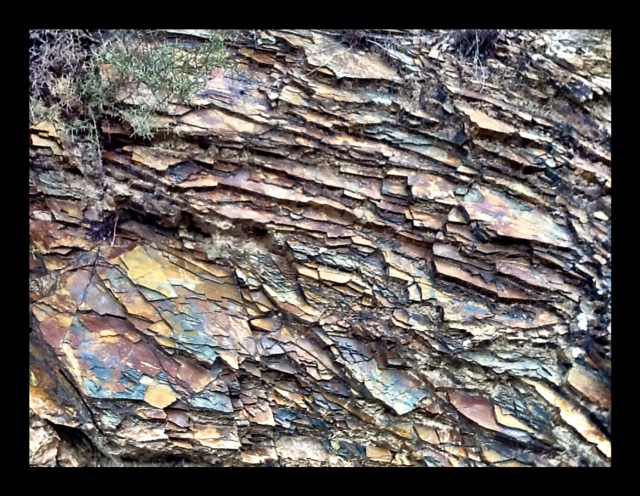
There’s a strong salinity to this glass-staining, aubergine toned wine which I learned to associate with Carinenya during our time in Priorat.  Initially giving us green olives and brine, the wine blossomed to fresh blackberry, purple plum and violets with fresh tarragon, licorice and cassis.  There is a strong slate note that exudes llicorella, the local rock-based soil.  The tannins are high but velvety and are balanced by good medium plus acidity; the structure is strong and yet it’s a tastefully delicate and fruity wine.

Drink now or can be cellared for 8-10 years.  WSET Outstanding wine.

doix 4

Posted in Carignan, OTHER, RED, Spain | Tagged , , , , , , , , , , | Leave a comment

Lo Coster Blanc, Sangenís i Vaqué, Priorat DOQ, Spain, 2013, 18 Euros

It’s the perennial question – what is ‘the next big thing’ in wine?  My bet is on the white wines of Priorat DOQ.siv 7

During a trip in January 2015 to this high quality Spanish region, I was repeatedly and most happily surprised by the white wines produced there – usually from Garnaxa Blanco, Macabeu and sometimes Pedro Ximenis – despite Priorat being internationally known for its robust and mineral laden red Garnaxa – Carinenya blends.

siv 2We spent a morning at the bodega Sangenís i Vaqué with Maria Sangenís i Vaqué, one of the family’s winemakers who has personality and charm to spare.  Married to Roger Simó siv 4Garcia of neighbouring bodega Vall Llach, Maria gave us a tour of the facility and led us through a tasting of their available wines.siv 8  She and sister Nuria are very involved in the family business as are her parents – their (warranted) pride and success shows in all they do.

The Sangenís and Vaqué families have been making wine in tiny Porrera since the 18th century, but the current iteration has been in operation since 1973 when table wines were the order of the day and it was much more difficult to produce quality bottles from what was a very poor region of Spain and its famous llicorella slate soils (see picture – yes, the vines grow in those rocks).siv 1

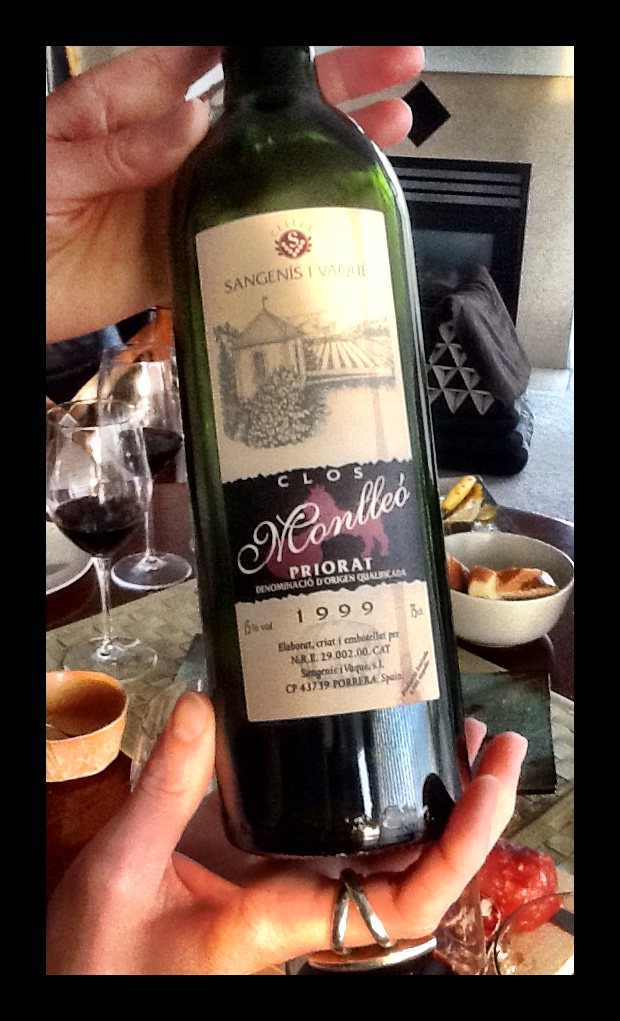
The family owns about 13 ha of vines with Cabernet and Merlot on wires and indigenous Garnaxa and Carinenya en vaso (free-standing bush/gobelet form).  We tried all their wines and a few verticals of some (for example, the 1999, 2005, 2011 and 2013 of the Monlleó) and brought back a bottle of the 1999 Monlleó.  However, it was the Lo Coster Blanc I couldn’t stop thinking about.

Launched as a class project for Maria’s enological studies at the local university in Tarragona, Lo Coster Blanc (‘The White Slope’) is the only white wine the bodega produces.  The grapes are Garnaxa Blanco and Macabeu with a little bit of Muscadelle for the nose and they are grown in Torrojo and Porrera.siv 5

Only 496 bottles were produced of the 2013 that spent 24 hours on its skins and 8 months in new French oak.  This wine has great structure and depth, but is at the same time delicate and juicy.  The aromas and flavours include stone fruit (peach) and citrus (light lime) and are a little sherry-like in addition to showing evidence of oak and vanilla.  It stands up beautifully to Catalan cooking and is refreshing, yet solid. 06-Sangenis-i-Vaque-Wine-Lo-Coster-Blanc-2010_collage

I wish I’d brought some Lo Coster Blanc back to Canada with me as no one imports it here yet.

This family winery is a huge part of the reason Porrera has been revitalized. Their patience and passion for the process, great affection for and connection to Porrera, and their top-quality product has enabled that and will cement their role for the future.


Posted in OTHER | Tagged , , , , , , , , , , | Leave a comment

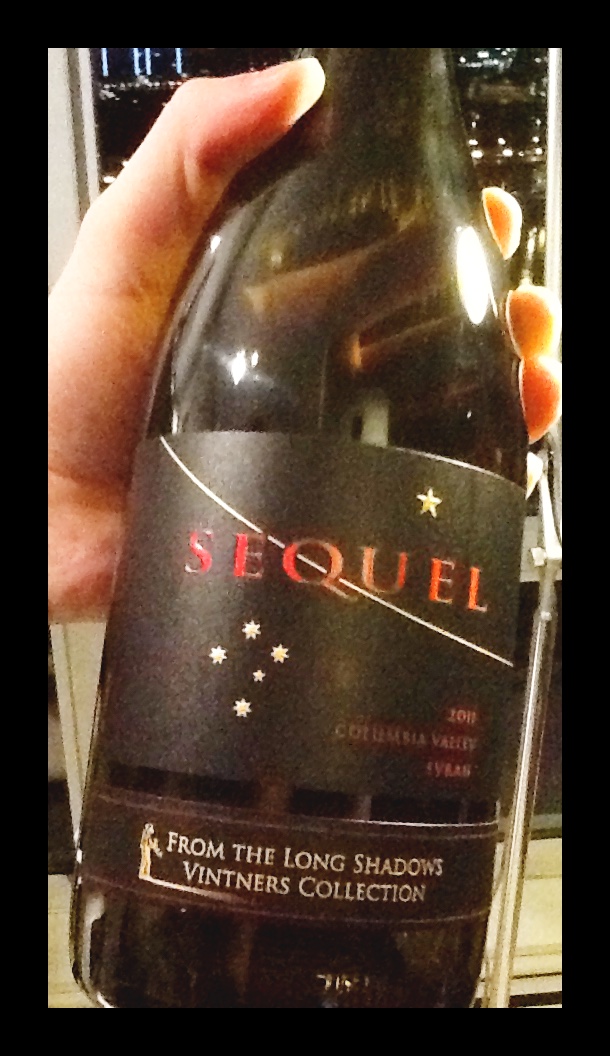
Sequel, Syrah, Long Shadows Vintner’s Collection, Columbia Valley, Walla Walla, Washington, 2011, 14.8% abv, US$50

sequel syrahWe were spending a day at the tasting rooms of Woodinville, north of Seattle in Washington state when we popped into the Long Shadows storefront.  If you haven’t heard about this concept, I guarantee it will intrigue you.

Since 2000, former Chateau Ste. Michelle president and CEO Allen Schoup has worked with colleagues and resident winemaker Gilles Nicault to partner with internationally renowned winemakers.  Each produces a wine from the grape they are famous for having produced in their home countries – and that’s where the ‘Long Shadows’ name comes from.

This Syrah – the Sequel – has been made by John Duval.  Yes, the John Duval of 28 years of Penfolds Grange fame.  John Duval who won the 1989 winemaker of the year award at IWSC, London.  John Duval whose 1990 vintage of Penfolds Grange won Wine Spectator’s wine of the year award in 1995.  I think you get the point.

This wine made me sit up and take notice before I knew Duval had created it.  Our Long Shadows host, Nina, was also a great fan.  ‘Sequel’ (named so to indicate Duval’s wine life post-Penfolds) is an opaque purple with a thick violet coloured rim and deep legs.

The developing aromas are intense and show blackberry and cocoa bean, some salumi, olive, crushed herbs and minerals.  The palate is dry with a juicy acidity and ripe tannins with some grip to them yet.  Although the alcohol is high, there is no sign of boozyness.  This is one well-balanced wine.

The intense flavours include more deep black pepper and fruit – blackberry, currant and Italian plum – with heavy rosemary and thyme, more meat, leather, some Dutch licorice and a long finish.

Complex, layered flavours and aromas combined with the balanced alcohol, acidity and tannins offer a wine drinking beautifully now but yet which will also age well for 5-7 years.

WSET Outstanding


Posted in OTHER, RED, Shiraz / Syrah, Washington State | Tagged , , , , , , , , | Leave a comment

Ximenis, Genium Celler, Blanco, Priorat DOQ, Spain, 2012, 14% abv, 12 euros

He drove 2.5 hours from his day job and Barcelona to meet and pour genium 2winesPorrera
genium 4 for us at Poboleda.

Jordi Ossó i Estivill, Genium Celler’s export manager, is one of six family partners who’ve banded together to bring their wines from this tiny Catalan village established in the 1200s by Carthusian monks to the world.

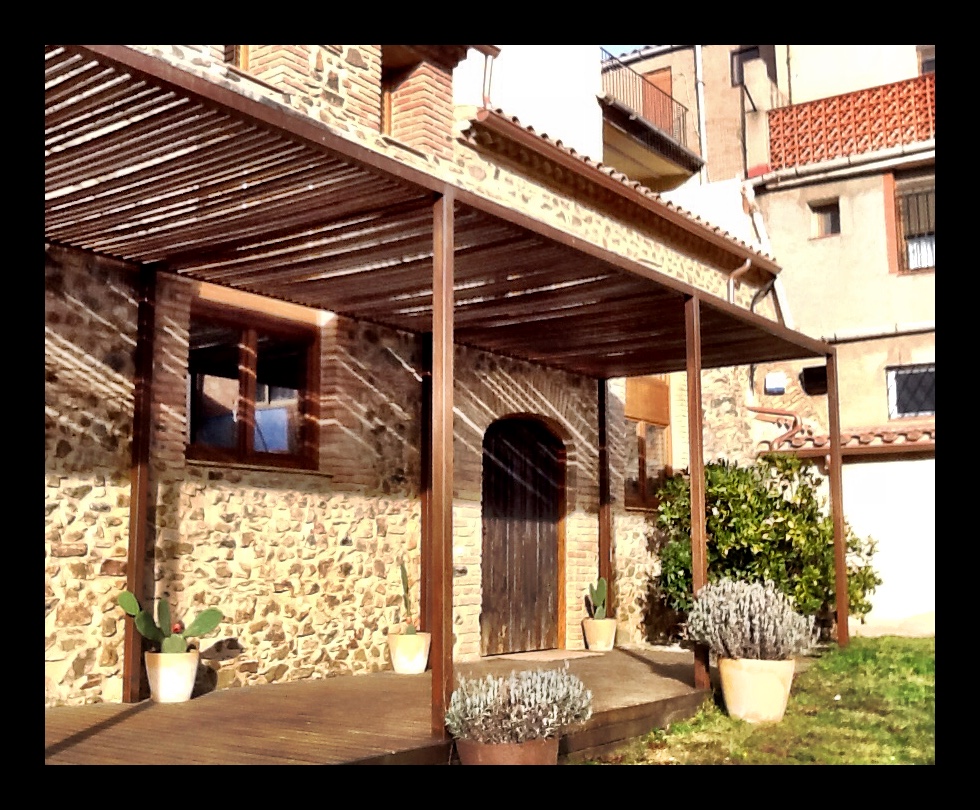
The walls of this winery are ancient – the building next door (now the school – and pictured to the right) was where the prior lived.  (‘Priory’ is from the root of the word for the modern day region, Priorat.)

The monks and the builders lived in the town’s stone homes, one of which now houses Genium, and lived in Poboleda while building the nearby Escaladei monastery.

Jordi’s grandfather and father are from this tiny hamlet where making wine has been a part of the culture since Roman times.  However, the Genium group has been making wine since 2002 when they decided to work together instead of selling their grapes to the local cooperativa.

Between the families, they coordinate weekends in the vineyards and winery and produce Genium 1about 30,000 kg of grapes – mostly the local varieties, Garnaxa (Garnacha) and Carinenya (Carignan) along with some Merlot, Syrah and Pedro Ximenez.

The local microclimate is similar to that of nearby Torroja del Priorat in that it’s heavily affected by the sea so the grapes retain higher levels of acidity.  Despite a relative distance from the sea, the mountain passes and gaps funnel the cool Mediterranean air straight to the region.

This has allowed Genium to produce a white wine from Pedro Ximenez (PX) that you would never know is made from this grape usually responsible for producing Sherry.

Named Ximegenium 3nis, the local Catalan word for PX, there are about 600-700 bottles of this produced a year.  Ninety percent is PX with the remainder including Garnaxa blanca and Macabeu.

The grapes are grown on Jordi’s cousin’s costers (slope) and after it is picked, the grapes are layered with dry ice prior to a 16-18c fermentation.  It is aged in new French oak.

Pale gold, this wine is youthful but offers a Rousanne-like nose and finish with plenty of stone fruit (pear), acacia, citrus and soft honey.  The acidity is medium plus and there’s a delicacy and juicy character in among the solid structure.

Stephen Tanzer has granted it a 90 and I agree – this is a WSET Very Good wine.  Intriguing, unusual, refreshing, structured and yet elegant.  It’s a happy surprise in the sense that it’s always said PX is not a noble grape – yet, Genium has produced a unique stunner with it.


Posted in OTHER, Pedro Ximenez / Pedro Gimenez, Spain, WHITE | Tagged , , , , , , , , , , , | Leave a comment

Riu, Trio Infernal, Combier, Fischer and Gerin, Torroja, Priorat DOQ, Spain, 14.5% abv, 2010, 16 Euros

We found this at the Vins i Olis del Priorat store the minute we arrived in Falset.  Nothing was open at 4pm except the town’s two exceptional wine stores. Llorenc and Marc Aguilo quickly ushered us to the tasting bar and before I knew it, I had some Priorat in my glass.

This wine is made by three French winemakers who came to the village of Torroja del Priorat to make wine on the famous llicorella / slate soils. This is the ‘entry level’ wine from Laurent Combier (Domaine Combier, Crozes Hermitage), Peter Fischer (Chateau Revelette, Aix en Provence) and Jean-Michel Gerin (Domaine Gerin, Cote-Rotie).  A review of their single vineyard version can be found here.

If you look closely at the picture below of the vineyard and water tower, you can see ‘Trio Infernal’ in yellow print on the side of the south-facing slope.

It was hard to get this bottle open – the cork disintegrated and appeared to be half rotten. Thankfully the wine, equal part of Garnaxa, Carignenya and Syrah, was pristine.

The Riu is a deep purple and has the unmistakable aromas I now associate with most Priorat red – Dutch licorice, tar, soy sauce and black currant along with strong minerality and crushed herbs.

The palate is dry and the tannins ripe yet grippy – there is a reason these wines go so well with the local salumis and cuts of ham. Tannins love fat.

Acidity and body are both medium plus and the flavours are reminiscent of the aromas – more intense blackberry, black cherry, ripe plum and currant with soy and asphalt.  The thyme and sage that grows everywhere in Priorat is also persistent.

WSET Good – the alcohol on this wine is noticeably heavy.  That said, it is a home run hit with the local cuisine – bread rubbed with tomato, garlic and olive oil, sausages, cheeses and grilled meats – and its fruit forward nature is pleasant.

IMG_4288

IMG_4568

IMG_4569

Posted in Carignan, Grenache / Garnacha, RED, Shiraz / Syrah, Spain | Tagged , , , , | Leave a comment

Diez Siglos, Verdejo, Rueda DO, Spain, 2013, 12.5% abv, 9 UK GBP

It’s always slightly depressing to go anywhere outside of Canada and realize the incredibly restricted wine options available on our domestic market. This is even more apparent when one arrives in England, arguably the centre of the wine universe.

Every time I arrive in St Albans, my sister and I pretty much run to the closest wine store to stock up her fridge. This time we visited Cellar Door Wines, tasted a fresh and full Romanian Pinot Grigio and bought 6 other bottles, all great deals from different wine regions, only one above 20 GBP.

One of them was this Spanish Verdejo from Rueda. A shade of pale lemon with light legs, this wine has aromas of nettles, elderflower, sharp lemon, tangerine and minerals.

We enjoyed this with Suzanne’s chicken korma and its very slight off dry palate married well with the light curry. It would be equally tasty with Thai food.

It’s got juicy acidity and a medium body with light alcohol. Flavours of peach, lemon, Seville orange and more stinging nettles with long field grass compliment a medium finish.

This wine is made at a cooperative of about 50 producers and punches well above its weight – only 9 GBP and full flavour for the money. WSET Good +; drink now.

2015/01/img_4223.jpg

Posted in Spain, WHITE | Tagged , , , , | 2 Comments

Pinot Noir, Fort Berens, Lillooet, BC VQA, 2012, 13.5% abv, C$26

fort berensHow is this possible?  A Canadian winery poised at 50.5 degrees north latitude – just outside the usually accepted outermost limits of vinifera grape growing.

Yet, there Fort Berens lies, thumbing its nose at the non-believers, and producing quality Pinot Noir of all things.  Yes, this finicky grape seems quite at home here in Lillooet which lies in the rain shadow of the Coastal Mountains about 120 km east of Whistler and 167 km northwest of Kamloops.

If you know anything about Lillooet, you will know it regularly battles the deep south Okanagan Valley’s Osoyoos for the honour of being Canada’s hot spot and being in the Coastal Mountain system’s rain shadow means it receives a measly 349 mm of rain a year. In contrast, North Vancouver (across the mountains and on the south coast by 240 km) gets 2522 mm and Vancouver 1457 mm.

Lillooet itself seems to lie between 250-420m in altitude depending on where one is, so this contributes along with the deep diurnal shifts (the difference between night and daytime temperatures) to make the grapes happy and allow them to retain acidity levels.

All of these factors have combined to produce a unique microclimate that favours grape growing when combined with the local gravelly glacial rock, sand and loam soils.

I’d noted these wines in the local VQA shop, but it took my friend from San Francisco (@corkzillasf) to buy one first.

The Fort Berens 2012 Pinot is a fresh medium ruby – almost akin to pomegranate juice – and the nose has medium intensity of cherry and strawberry, crushed herbs and a little moss.  The palate is dry but with a fruity presence, a delicate body and flavours of more red fruit and with rosemary and sage.  The finish came up slightly short but the tannins are ripe and ready to drink.

While not complex, this is a pleasant and tasty WSET Good Pinot Noir that Ben and Tanya agreed was one of the better BC versions they’d tried in the Great White North.

Posted in BC, OTHER, Pinot Noir, RED | Tagged , , , , | Leave a comment

Rabaja, Cascina Luisin, Barbaresco DOCG, Italia, 1996, 13.5% abv, US$50 (rarewineco.com)

This Barbaresco is 100% Nebbiolo and comes from a (still) family-owned Piedmonte winery established in 1913.  The Rabaja vineyard is close to the central village of Barbaresco and the famous River Tanaro runs below the property and moderates the vineyard’s climate.

Today Cascina Luisin (Luisin means ‘Luigi’ in Piedmontese) is run by Luigi Minuto (the founder’s grandson) and his son Roberto, who joined in 1995.  It was Roberto’s decision after experimenting in 1995 to ferment and macerate the Nebbiolo in cement tanks (20 days for this one) followed by time in Slovenian oak.

The wine is an opaque garnet with and was a little turbid.  We were surprised it was still this deeply coloured despite being 18 years old – and even more surprised there was no bricking.  The nose is beautifully intense with aromas of blackcurrant, raspberry and crushed tomato vine with mint, rose, anise and minerals.barb

The dry palate has solid medium plus acidity and silky tannins that still have some grip in them yet.  The body is elegantly slender and while initially it tasted of mint, over the evening it grew to show deeper herbs with violets and blackcurrant.  There is red fruit in the background, but over a few hours it opened to intense pencil shavings, iron and iodine, high citrus notes and anise. The finish was super long.

We wondered if this wine may be unfined and unfiltered as it’s cloudy and in fact, I was able to piece together some information on various sites to show that Roberto did make the decision to stop fining and filtering their Barbarescos back in 1996.

Despite its age, this wine offers a powerful impression – muscular, deep and complex, yet delicate, open and fragrant.  It’s WSET Outstanding wine; a testament to the long life of the Nebbiolo grape, drink now or hold until 2020’ish.  One of our tasting crew thought it may hold for another 10 years, but the rest of us disagreed; it’s certainly not showing its age, but it is unlikely to improve in the bottle.

We all voted that Costa should buy some more and we’ll taste it again in 5 and then 10 years to know for sure.  All in the name of science, of course.


Posted in Italy, Nebbiolo, RED | Tagged , , , , , , | 2 Comments

Montevertine, Rosso di Toscana, Radda, Toscana IGT, Italy, 2009, 13% abv, C$50

monteLet’s just cut to the chase. The Montevertine Rosso is, well… outstanding.

A Sangiovese, Canaiolo, Colorino blend made by winemaker Martino Manetti, the winery left the world of the rule-bound Consorzio and declared itself an IGT rated producer after the 1990 vintage.

The wine is very ‘pretty’ for a Sangiovese and full of flavour.  It spent 24 months in Slavonian oak barrels and was decanted for 6 hours during which time it evolved from a tightly wound, sour cherry focused wine to this thing of beauty.

The Montevertine is medium minus ruby with even legs and has a nose of summer raspberry with cherry, violets, flowers and light strawberry juice.  The palate is dry with silky tannins, a gorgeous mouth-puckering acidity, and an elegantly slender body with deep flowers – roses and violets, little blue forget-me-nots and lavender buds – light mint and tobacco herb, cherry, anise and some subtle wood action.

Antonio Galloni called this a 94 point wine – and we called it beautiful, delicate and ethereal.  It’s ironic it was so good with 2009 being such a warm vintage.  Perhaps that’s because it’s from Radda where there is some elevation to cool the evenings and retain the grapes’ acidity levels.

At 6 years old, it’s WSET Outstanding – super complex, poignant, balanced.  Each sip saw new flavours  and aromas emerge.  In a blind tasting our group agreed it may even be difficult to tell this is Sangiovese and mistake it instead for a very high end Pinot Noir.  It’s less dusty than most Sangiovese and very fresh.  Although it’s young, it is drinking well and yet will last literally for dozens of years.

Second bottle update – We opened a second bottle in October, 2016 (7 years old) and found it still gorgeously ethereal, showing significant soya sauce and a little tar, but replete with loads of dried rose petals and dried cherries.  The colour had shifted to a translucent garnet from the ruby.

Third bottle update – Now I wonder why I didn’t buy more of this. We opened this one December 2021 at 12 years old.  Still a translucent garnet, the aromas were astounding with cherry, dusty rose petal, and purple flowers.  The mouth-watering acidity made it hard to stop drinking this beauty, and the flavours showed more sour cherry, violet, dried tarragon, light tar and leather strap.  The finish lingered.  I was really sad when this bottle was empty.

Posted in Canaiolo, Colorino, Italy, OTHER, RED, Sangiovese | Tagged , , , , , | Leave a comment

Azelia, Dolcetto D’Alba DOC, Bricco Dell’Oriolo, Castiglione Falletto, Italia, 2012, 13% abv

I probably don’t need to tell you what happens when several wine and food geeks get together and each brings a nerdy bottle of wine. Not only was there an abundance of alcohol and food, but also of educated opinion.

Between 5 of us, there was about $50,000 in WSET wine education tuition fees spent over the past 4 years or so, 3 Diploma holders and 2 entering their final Diploma term. Never mind the long-standing suffering and extreme tolerance exhibited by the others in attendance who by mere virtue of knowing us know more than is normal about wine.

Here’s a grape to try in 2015 that you may not have tasted before. Dolcetto means ‘little sweet one’ and generally these wines should be enjoyed 1-2 years after they’ve been released. They tend to be tannic and fruity with average acidity – and this one mostly met that bill, save for the tannins.

They are also usually grown on lesser quality hillside sites – the premium ones are kept for Nebbiolo and Barbera grapes. And Dolcetto wines are made to be enjoyed young while waiting for Barbera and Nebbiolo wines to mature.

The Azelia is a medium ruby colour with even legs and has a nose of significant dark raspberry and Byng cherry with light herb.

The palate has average acidity and is dry with quiet tannins, some almondy bitterness, and medium plus intense flavours of herbs, sweet field berries and cherry.

Proclaimed as WSET Good by the group, it’s not complex but is charming nonetheless. The best comment was from Costa who remarked it was akin to a surfer dude who smokes too much, but whom everyone likes anyhow.

Surfer dudes, Dolcetto and WSET tuition fees. There you have it.
What new grape will you try in 2015?

/home/wpcom/public_html/wp-content/blogs.dir/eee/38864773/files/2015/01/img_4210.jpg

Posted in Dolcetto, Italy, RED, Red | Tagged , , , , | Leave a comment