
 Before we travelled to Italy, I had planned a casual visit to the Avignonesi Winery, imagining I’d simply enjoy some Vino Nobile di Montepulciano on the patio enroute from Perugia to Greve. I had enjoyed their wine before in Canada, and was curious to drop in and see the property.
But then we arrived at this magical place – Italy’s largest biodynamic winery, nestled into the beautiful Tuscan countryside – and I was captivated. Manager Yelena and sommelier Almudena were gracious and welcoming – and before I knew it, I was immersed in a tasting.
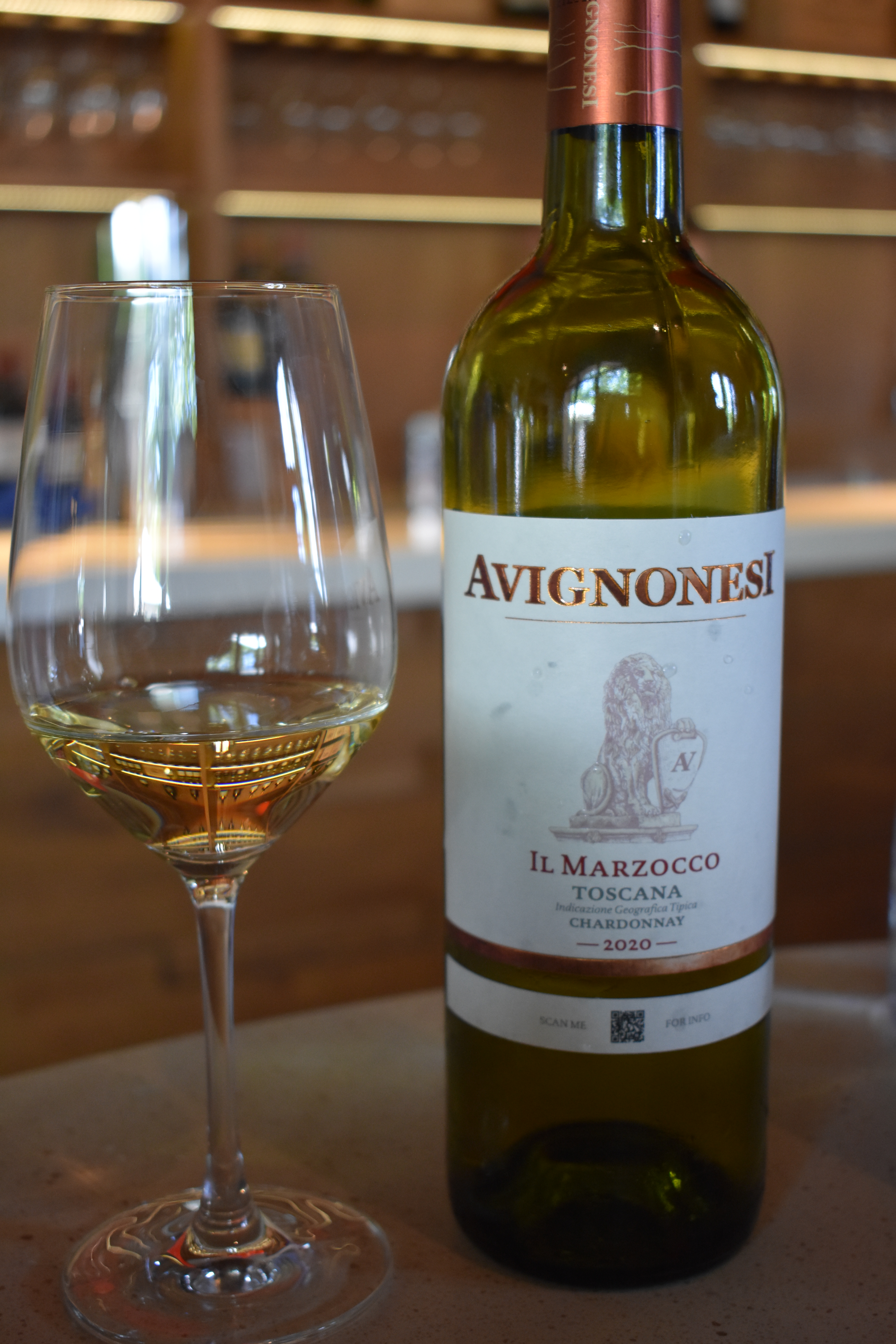 Their Il Marzocco Chardonnay IGT, 2020 was a complete surprise. I hadn’t flown all that way to drink Chardonnay – but then I did. What an unexpected delight. Pale lemon with verbena, pineapple, white flower, and a surprising backbone that could carry it through a meal, its delicate lees offered a creamy contrast to the excellent acidity.
Since I had written about their Vino Nobile di Montepulciano, 2014, Almudena offered me the 2018 version. Translucent ruby with roses, light prune and basalmic, this wine is a true Nobile classic. 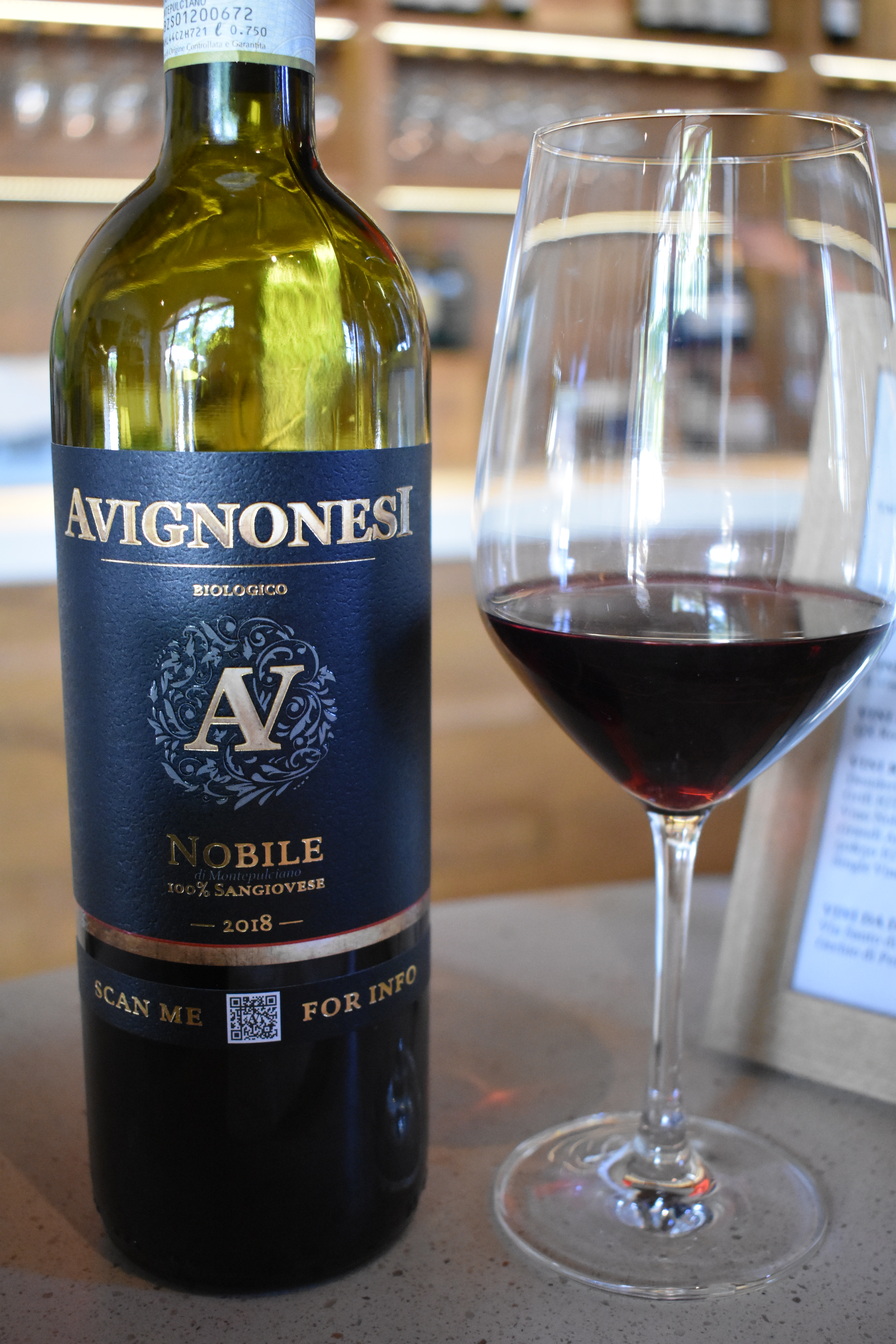
 The single vineyard Oceano, was an ethereal beauty. A 100% Sangiovese, Vino Nobile di Montepulciano, 2017, the Oceano vineyard has blue clay soil which grows structured grapes. Translucent ruby with delicate tannins, its nose and palate are intense with rose water, sour cherry, dried rose, potpourri, thyme, and rosemary. It’s an emotional wine – with a very long and deep finish.
However, the Vin Santo was the one that has ruined me for all future versions. This one spoiled me. 
This Vin Santo, or ‘holy wine’, is made from 100% Sangiovese grapes that are dried post-harvest on bamboo mats in the hall beside the tasting room from September until January (see picture). Once dried, they have very high sugar content and are then pressed. While it takes about one kg of grapes to make a 750ml bottle of wine, about 7kg are needed for each small 375ml bottle of Vin Santo.
 Fifty litre barrels are used for aging the wine for 10 years with the ‘madre’ or starter wine, plus room for air to ensure oxidation. The wine rests in bottle for at least a year after the decade in barrel.
The Occhio di Pernice Vin Santo (Eye of the Pheasant) is a masterpiece. Deep, tawny brown with extremely viscous and heavy legs, it teases with a nose and palate of maple syrup, brown and burnt sugar, light molasses, and burnt caramel. Just-baked gingerbread and spice cake leap from the glass, along with clove and a shaving of chocolate truffle. Remarkably fresh, there’s no coating of the mouth because of the very high acidity. The finish goes for miles.
 I brought some of this potion home with me. Thankfully it was available in 100ml bottles, so I didn’t need to risk any airline losing my wine and causing tears. My Eye of the Pheasant is safely ensconced now in the cellar. For how long, nobody knows.


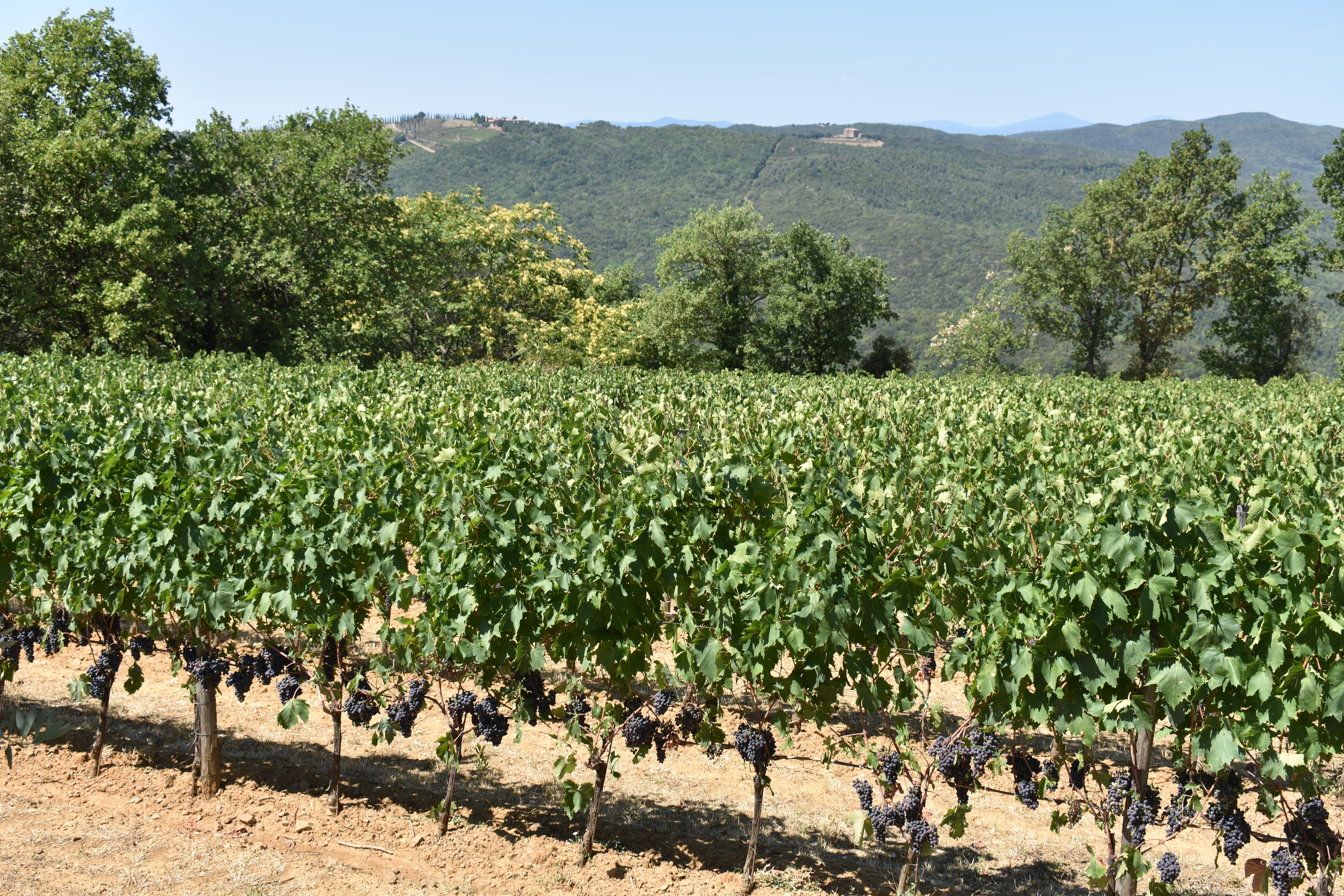
 The soils on which their Sangiovese is planted and farmed organically are marne and iron-rich red silt, and sit at 450m on the north-western corner of Montalcino.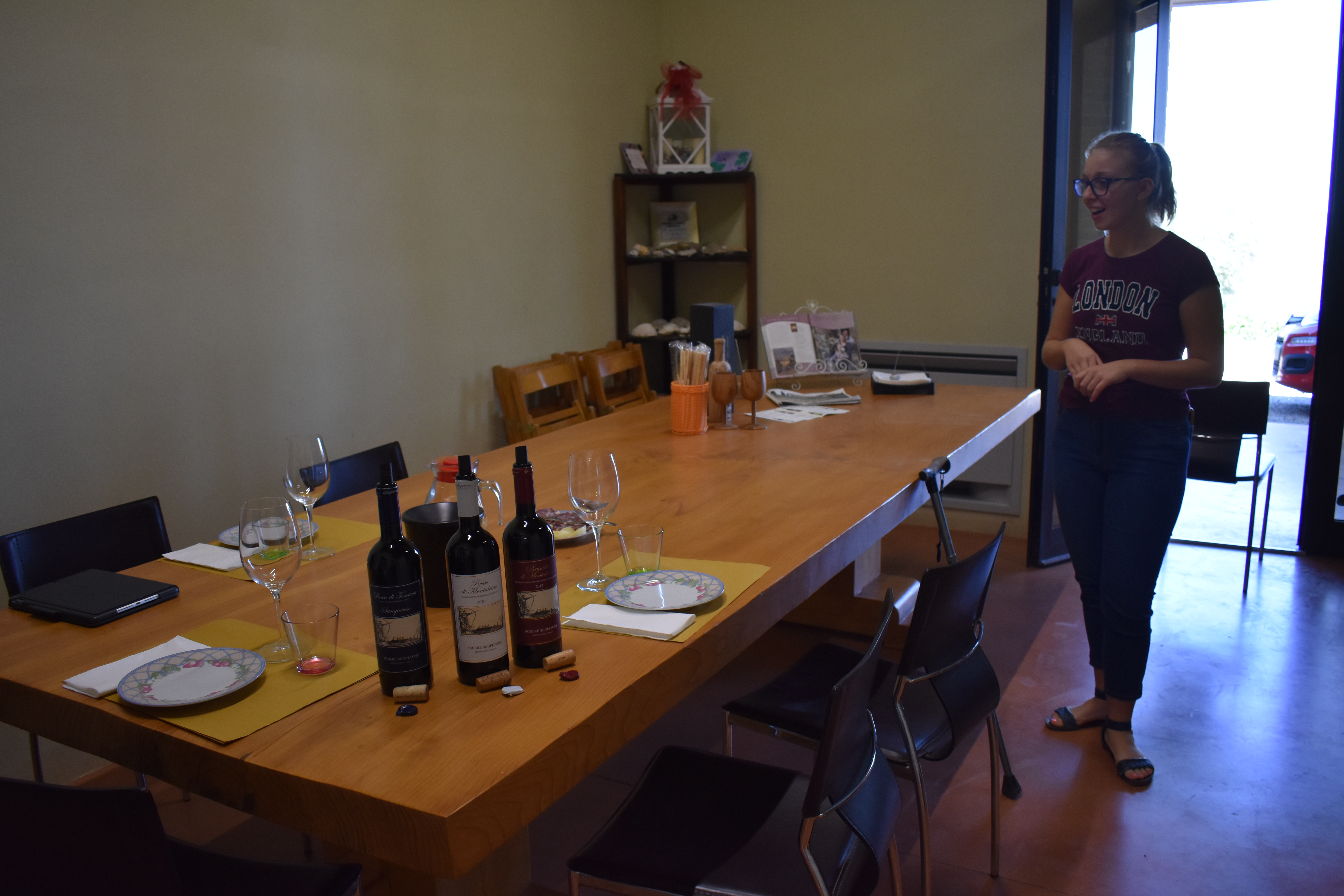

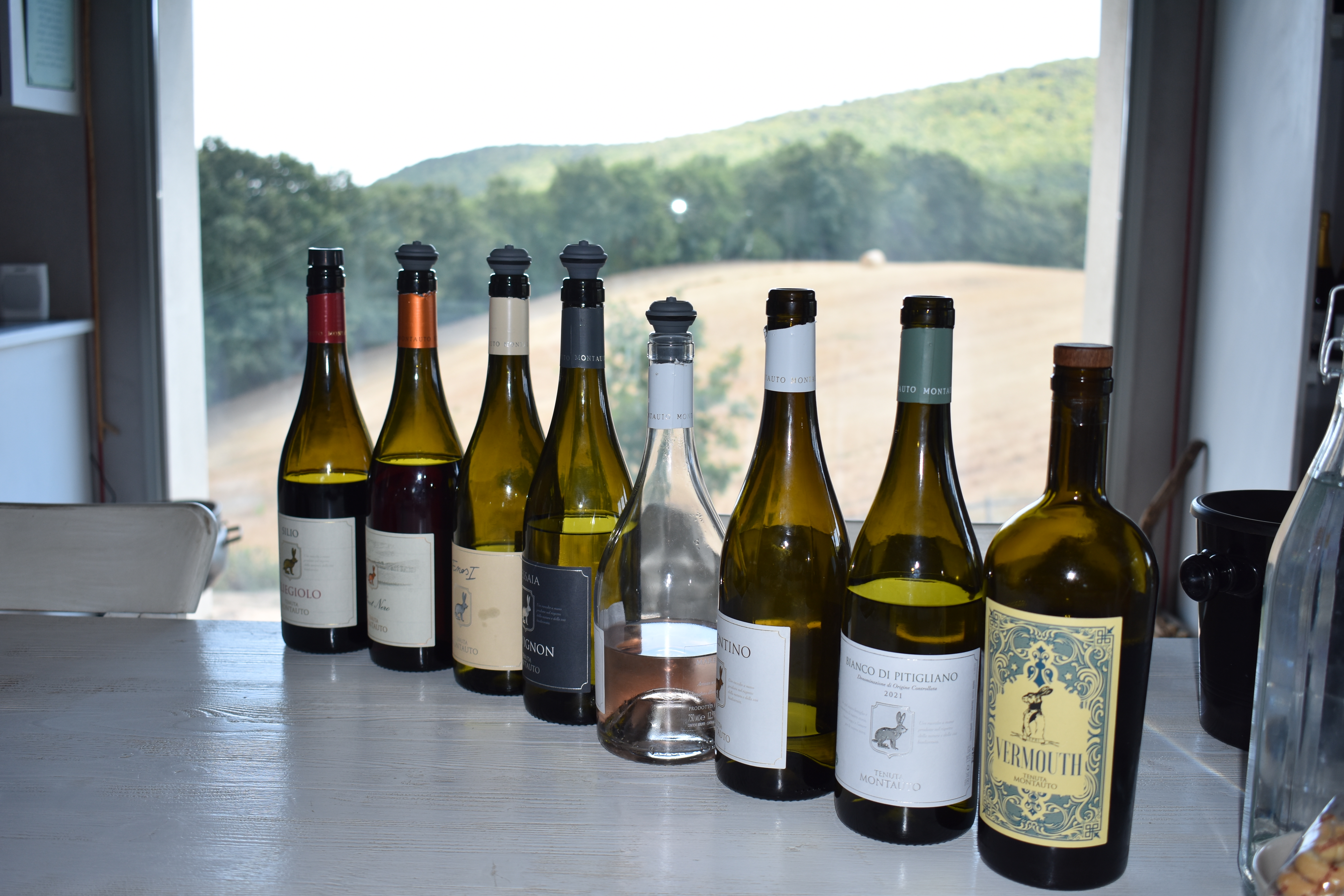
 wines, and a beautiful Vermouth.
 Translucent ruby red and medium-bodied, the Silio offers a fabulous nose and flavours of bright, sour cherry, violets and roses. Only lightly tannic, it lends itself to grilled chicken and mussles, or could be pressed into service to complement a skirt steak and roasted vegetables.
 down, and people were despairing of the future, I read an article about Italy and how people were struggling there.
  That’s when I learned of Camilla Moccia and her family’s restaurant located in Ostia, on the lido to the west of Rome. This picture, taken by Camilla’s mother, Simona and shared in the
  We met Camilla, Simona and Bruno (father) last week in Ostia where we enjoyed a fabulous, handmade
 dinner al fresco on our final night of a three week vacation. Bubbles preceded a beautiful,

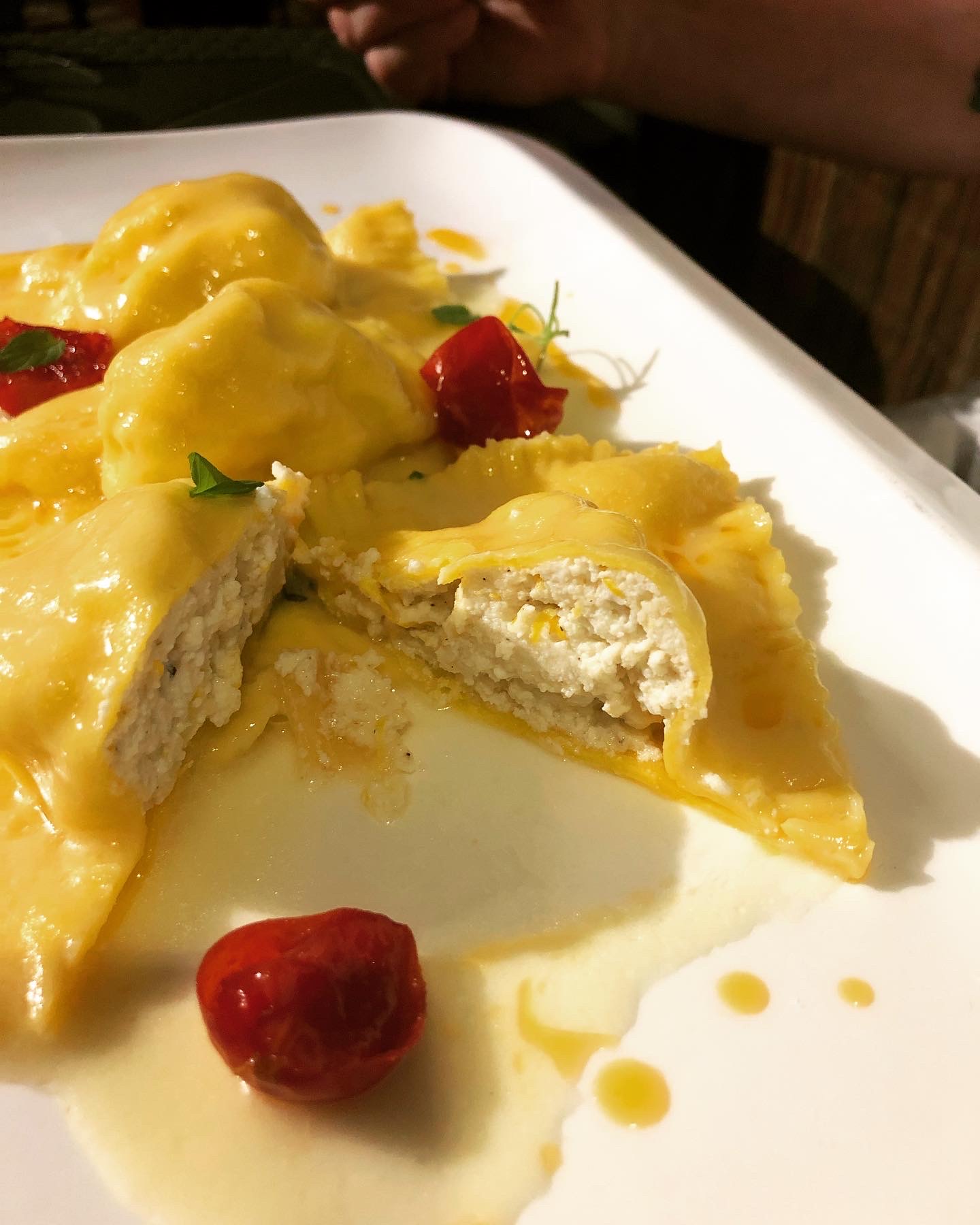 fresh salad with burrata, tomatoes and crostini, and we feasted on her famous pasta – a lemon-ricotta ravioli, and classic cacio e pepe – followed by a piece of chocolate dolce heaven. As busy as she was that evening with all tables full, Camilla even took time to give us a pasta lesson.
  It was an enormous pleasure of ours to meet Camilla and her family, to experience their passion and cuisine firsthand, and to fulfil my promise to support them by visiting Il Bistrot della Pasticciona.
 This bottle got a little lost in my wine cellar, and then you know, there was a pandemic, so we opened it at age 13 years. The cork broke and that made me worried we were going to be dealing with something less than lovely. But I was very wrong – it was absolutely stunning.
 southwest of the Caribbean, well out of the path of any hurricanes, and just 17 km off the coast of Venezuela.
 Usually when I venture to warm climates, wine is not an option, and because beer is not my ‘go to’ drink, I focus on the cocktail menus at the restaurants we visit.
 published a recipe book of drinks called ‘How Can I Make You Happy’. And I was – very.
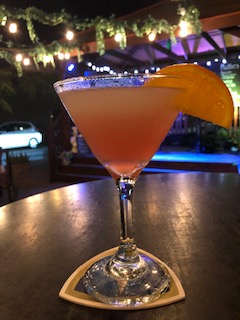 I drank the Lemon Drop before I remembered to take a picture, but the dirty Gin Martini with a whole dish of olives was a hit,
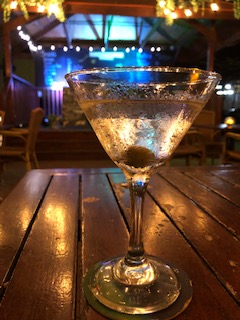 followed the next night by a Reverse Cosmo (aka Char-Tini). The Dark & Stormy was delicious, and again, I drank the Old Fashioned made with Diplomatico Rum instead of Bourbon before I realized I’d forgotten to document its deliciousness.
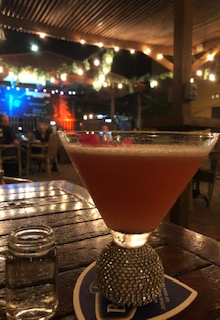 But the pièce de résistance was the Pornstar Martini, complete with its accompanying Prosecco shot.
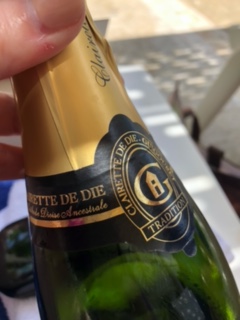
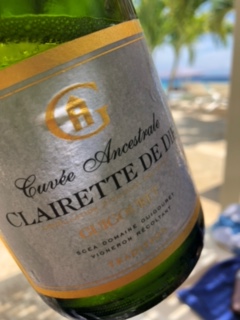 This wine has a history going back 2,000 years in France’s Rhône Valley, but the first bottle I found and enjoyed was in Curaçao, off the coast of Venezuela. What a find it was at the Carrefour supermarket – it was incredibly fun to drink, and absolutely delicious.
  Rhône Valley, it’s made out of a maximum of 75% Muscat Blanc à Petits Grains and 25% Clairette. Naturally sparkling, it undergoes the first fermentation in a vat and the second in bottle.
 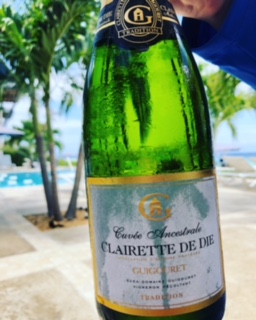 Flavours include more white flowers and nectarine, Clingstone peach, and fruit cocktail.
 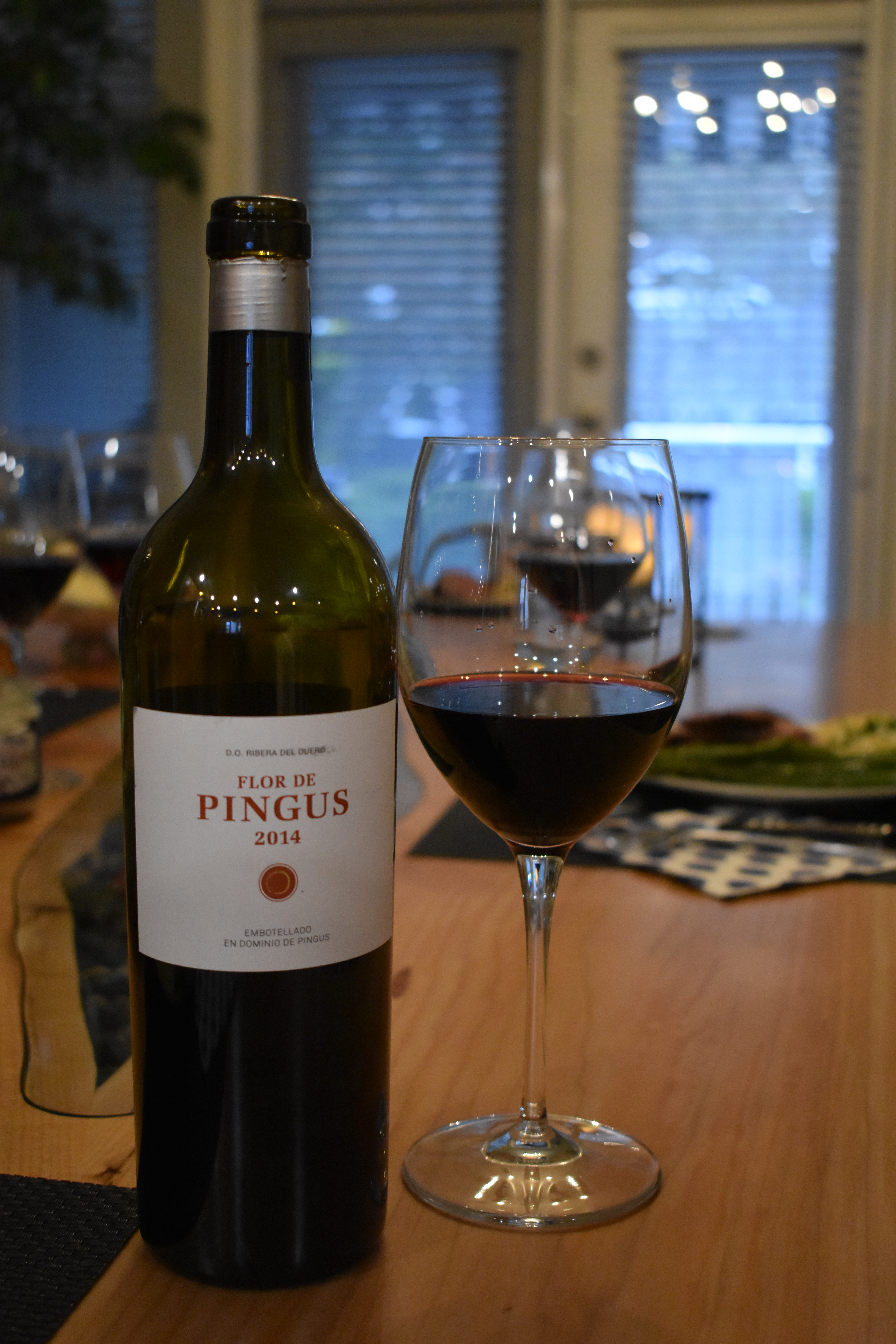 estate. Now that the world is reopening, I can’t wait to take a trip there some time in the next few years.
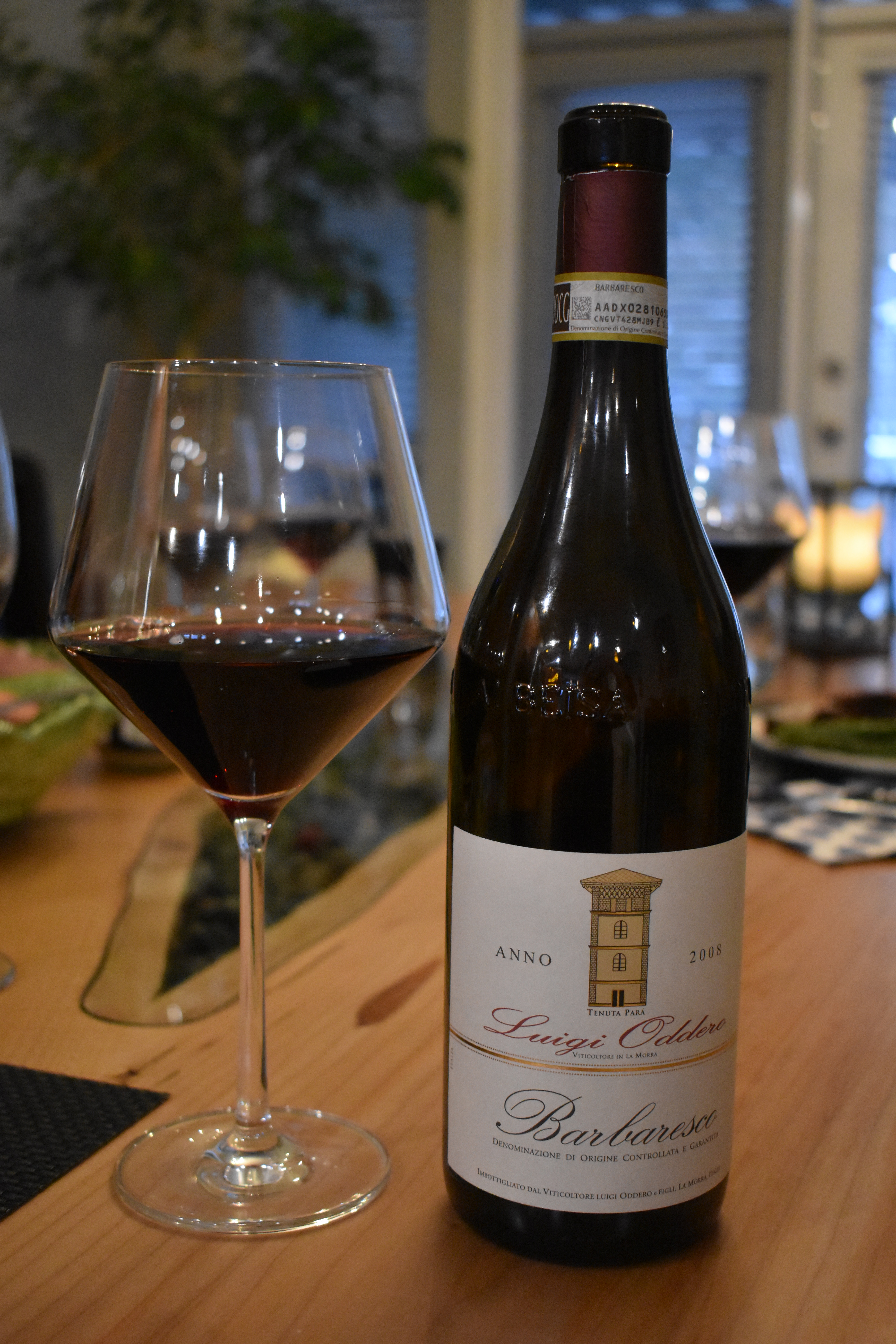 From one of the truly bona fide, historic and traditional Barolo houses comes a 2008 Barbaresco.



 winellama