Here’s a grape I virtually guarantee you’ve not tried before – Cabernet Libre.
It’s an uncommon hybrid developed by Valentin Blattner in Switzerland that has found a home on Canada’s cool, wet coasts. There’s a Blattner white and a red – and the red has 3 varieties including the Cabernet Libre, another called ‘Labelle’, and one that is still numbered and known only as ’48-05-83′.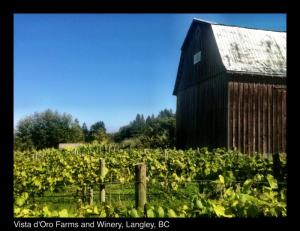
If not these, perhaps there is a chance you’ve heard of some of his other creations – Cabernet Blanc, Cabernet Jura, Cabernet Noir, Pinotin, Petite Milo or Cabernet Foch?
Who is Valentin Blattner, you may ask? A very busy Swiss grape geneticist and breeder living in (if you know anything about natural wines, this will not surprise you) the Jura Mountains bordering eastern France and western Switzerland.
Blattner has worked for decades to develop fungal-resistant grape varieties and now his grapes are being grown around the world – especially in wet, coastal regions of British Columbia and Nova Scotia, both which have short growing and ripening seasons. The main reason? Blattner grapes can repel fungal diseases without a lot of outside intervention.
Cue the entry of this naturally made wine from 100% Cabernet Libre, fermented with ambient yeast (meaning no one ordered it from a catalog and added it to start fermentation) and kept on the skins for a full hour to get a beautiful, deep salmon hue.
This is Patrick Murphy’s specialty – creating natural wines outside of Vancouver in the Campbell Valley. What’s a natural wine? Jancis Robinson’s Purple Pages says, those who produce these wines, “…follow organic or biodynamic viticultural practices (whether certified or not), pick their grapes by hand, and restrict additives (including yeasts) to absolutely minimal amounts of sulphur.”
Most don’t fine or filter their wines either, so they can appear less clear than other wines (much like the cider you buy at the farmer’s market looks different from the widely available commercial brands available at the grocery store).
There are about 200 additives that are legally allowed in the wines most of us buy. They prevent oxidation, kill bacteria, prevent malolactic fermentation, freshen tired wines, stabilize colour and do lots of other things. The vast majority of winemakers use many additives. Large commercial winemaking facilities use even more.
In fact, if winemakers were required to list everything used to produce wine on the back label, most consumers would be surprised (that’s a whole other post). There is a lot of debate though with regard to ingredient listing for wine – mostly because no one can agree whether additives are ingredients or whether they simply help process wines.
Larger scale and commercially-made wines definitely use more of them, and they are not all bad! That said, there is great value in trying something new and challenging – and natural wines certainly offer consumers that opportunity – and they are gaining a huge foothold with a lot of people these days.
The nose on this Rose has medium plus aromas of dried flowers, cranberry and a some yeast. The palate is dry with medium acidity, extra lightly grained tannins, medium alcohol and a mouth-filling medium plus body. The flavours are medium plus and include pomegranate, sour cherry, cranberry, roses and a sherry-like flor.
WSET ‘good’ – perfect for warm summer evenings and ferry rides to Saltspring Island with Ali.
Visit Patrick Murphy at Vista D’oro in Langley, BC. Learn about his passion for making wine, cider and fortified wines and how he incorporates natural wine making into his craft.

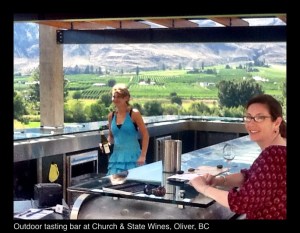
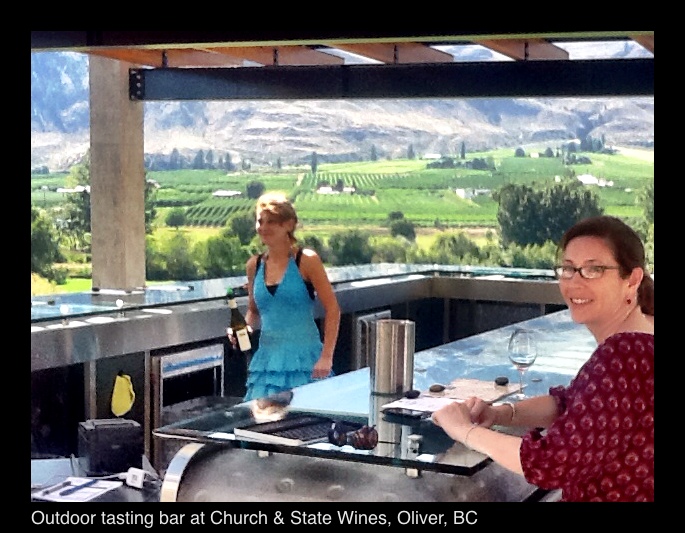
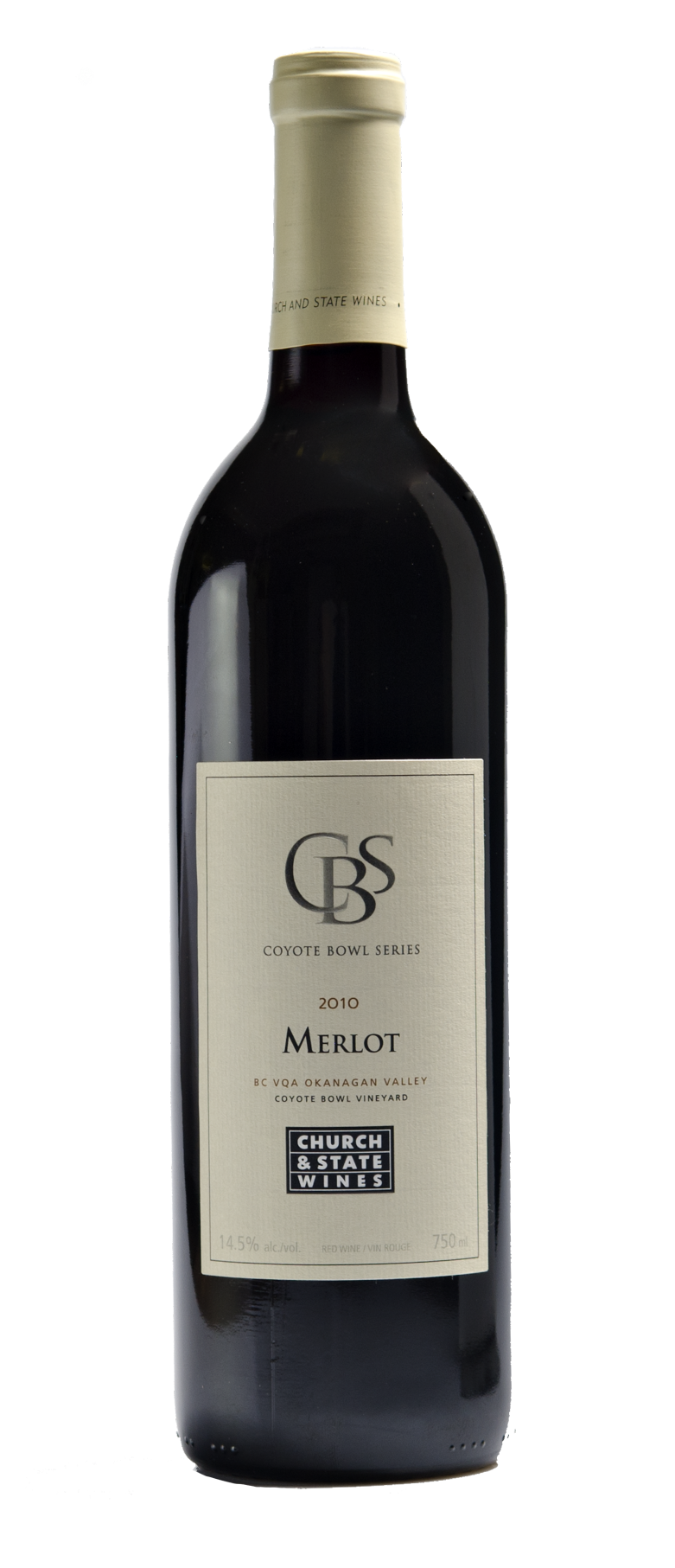
 Church & State is one of my stalwart Okanagan favourites – due in large part to the fine winemaking abilities of Jeff del Nin. The other part is heavily influenced (I cannot lie) by the dramatically stunning backdrop provided at their Oliver tasting bar as well as their professional, friendly staff.