Viña Tondonia, Reserva, López de Heredia, Rioja DOC, Spain, 1998, 12.5% abv.

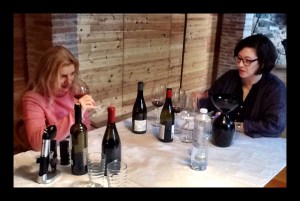
TONDONIAJust about any bottle of López de Heredia is enough to make most wine geeks swoon.  But, when we put five in a room armed with glasses and this bottle of Viña Tondonia Reserva, 1998, the atmosphere quickly became ‘fan girly’.

We had started the evening with a Viña Gravonia, Crianza, 2000 and then tasted this alongside.

This version of white Rioja is composed of 90% Viura and 10% Malvasia grapes and it has had 6 years ageing in American oak.  When we opened it, it was 16 years old.

A medium gold with deep legs, it has a medium plus nose of brine and salt with almond, sharp sherry notes, tangerine oil and significant Meyer lemon.
The palate is dry and still has medium plus acidity.  The medium plus body shows medium plus flavours of dried apricot, yellow plum, deeply ripened pear, almond, more salted sherry notes, green olives, honey and a persistent finish.

This sea air, sherry-like style of López de Heredia offers so much well-balanced and vibrant flavour and aroma.  It’s almost hard to believe it’s 16; lay it down and enjoy until 2020 without difficulty.

WSET Very Good plus

Posted in Macabeu/Viura, Malvasia, OTHER, Spain, Viura / White Rioja, WHITE | Tagged , , , , , , , | Leave a comment

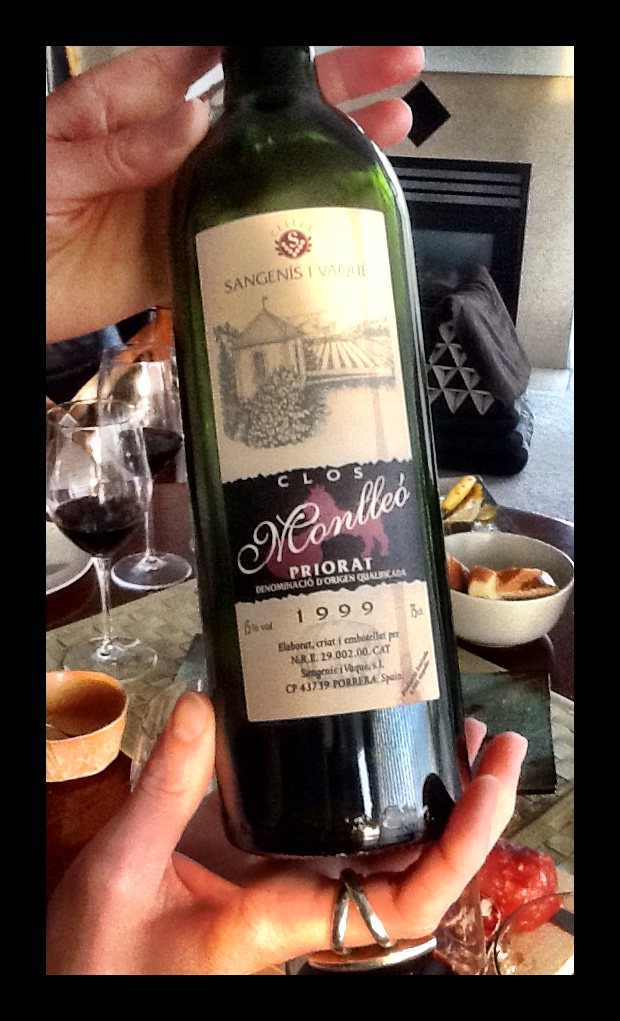
Clos Monlleó, Sangenís i Vaqué, Porrera, Priorat DOQ, Spain, 1999, 15% abv

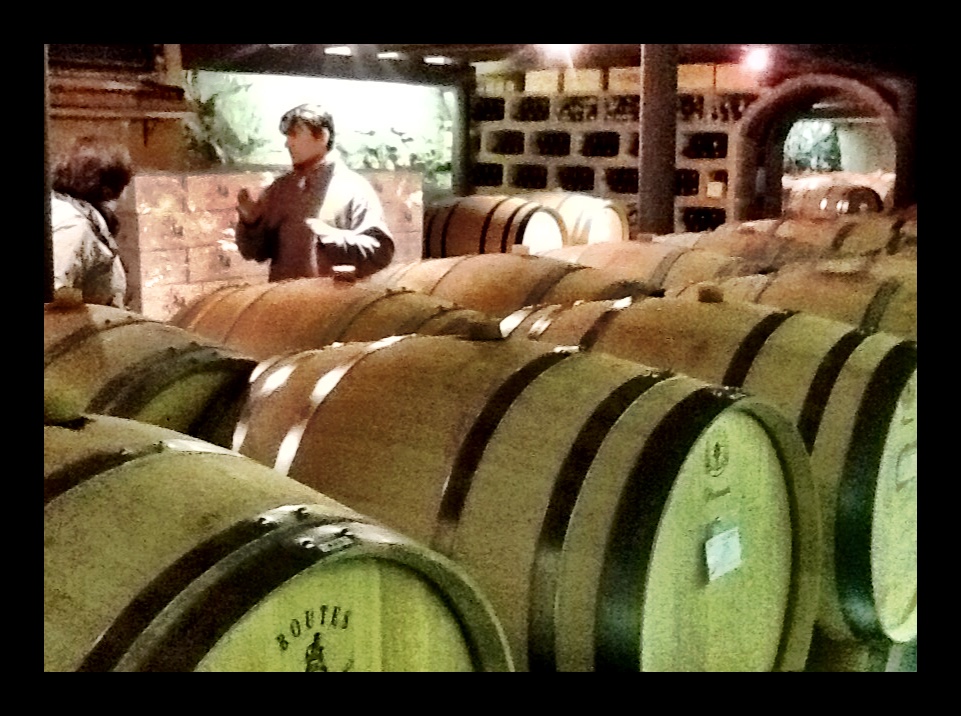
siv 8During our visit to Celler Sangenís i Vaqué in January 2015, Maria hosted solo but brought out all the stops for an exceptional tasting.  Of the ten poured, four were a vertical of the Clos Monlleó from 2013, 2011, 2005 and 1999.

Monlleó is the surname of Maria’s paternal grandmother and the combination of two generations of surnames – Mon meaning the world and Lleó, lion.  Both are shown on the wine’s label and they’re also pictured on the Celler’s weather vane located at the main vineyard.  sangenis clos monlleo

The 2013 was literally taken out of the tank and a deep, tannic purple that won’t even be on the market for another 6-7 years.  The 2011 was equally tannic, violet tinted infant that can be easily kept another 20 years prior to enjoying.  With the 2005, we were getting closer with a deep ruby-garnet wine full of cigar, tar and leather alongside deep plums and berries.  These three versions are aged 18 months in new oak prior to bottling.

It was the 1999 Monlleó that caught my attention and that I brought back to Canada. Made with the same combination of 50% Garnaxa and 50% Carinenya grapes from 80 year old vines, this version was aged 12 months in new oak (their recipe changed as of 2004).  A medium plus shade of garnet with glass-staining tears, the nose and palate show deep red berry, dried apricot and prune with garrigue – turn up the tarragon. Nebbiolo-like, it shines with licorice, soy sauce, tar, black olives, a smooth salinity and crushed slate.

The relaxed and ripe tannins offer a long, well-balanced, married finish.  We decanted the wine over two hours and found it delicious and still fresh at sweet 16.  Not hot at all.  Gorgeous.  Drinking now or may be kept for an additional 5-7 years.

WSET Outstanding.


Posted in Carignan, Grenache / Garnacha, OTHER, RED, Spain | Tagged , , , , , , , , , | Leave a comment

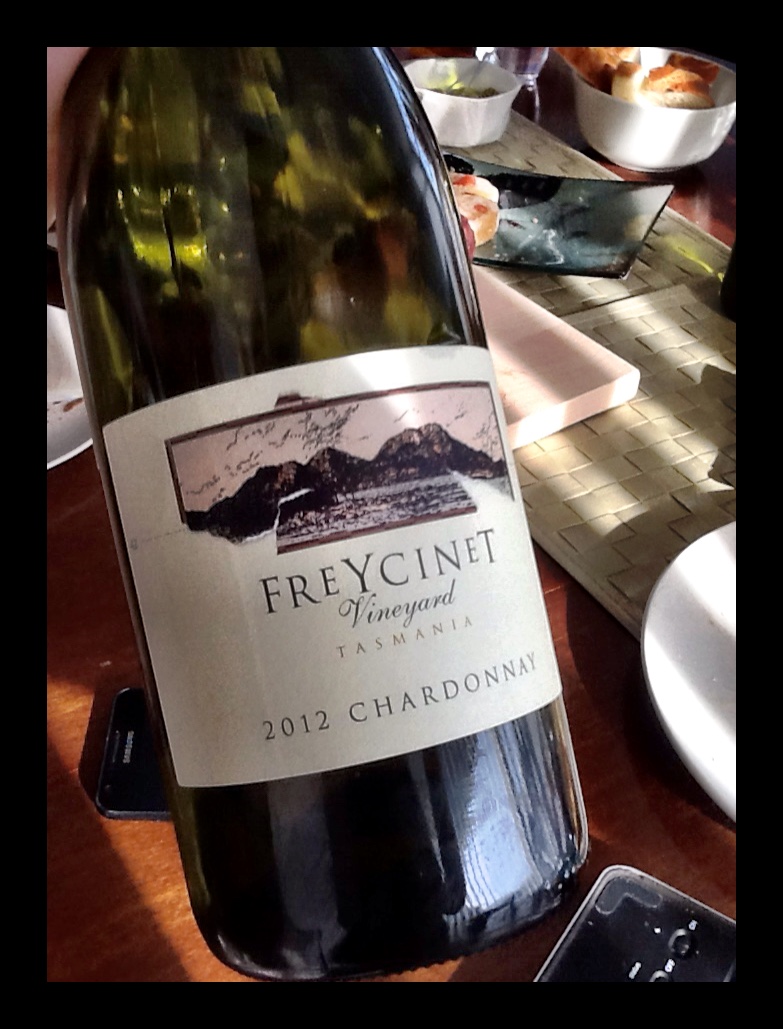
Chardonnay, Freycinet Vineyard, Tasmania, 2012, 13% abv

Straight from the wettest climate in Australia, the Tasmanian down under, this marvelous example of an elegantly finished Chardonnay came to us via Jodie whose mum packed it in her suitcase on a recent trip to BC.frecycinet

Tasmania boasts the longest summers and daylight hours of the Australian wine country and yet it’s also the wettest growing region.  The Freycinet Vineyards are located on the east coast half way between southern Hobart and northern George Town.

This wine was a stunner from the moment it hit our glasses – seamless with a great nose of subtle oak with Meyer lemon and strong minerality, it has a fresh and full character.  Light toffee, lemon and orange oil complement a creamy, almost yoghurt-like texture with light white pepper and soft melon.

A great example of a Tasmanian Chardonnay – full, flavourful yet not over the top in the least.  WSET Very Good.


Posted in Australia, Chardonnay, WHITE | Tagged , , , , | Leave a comment

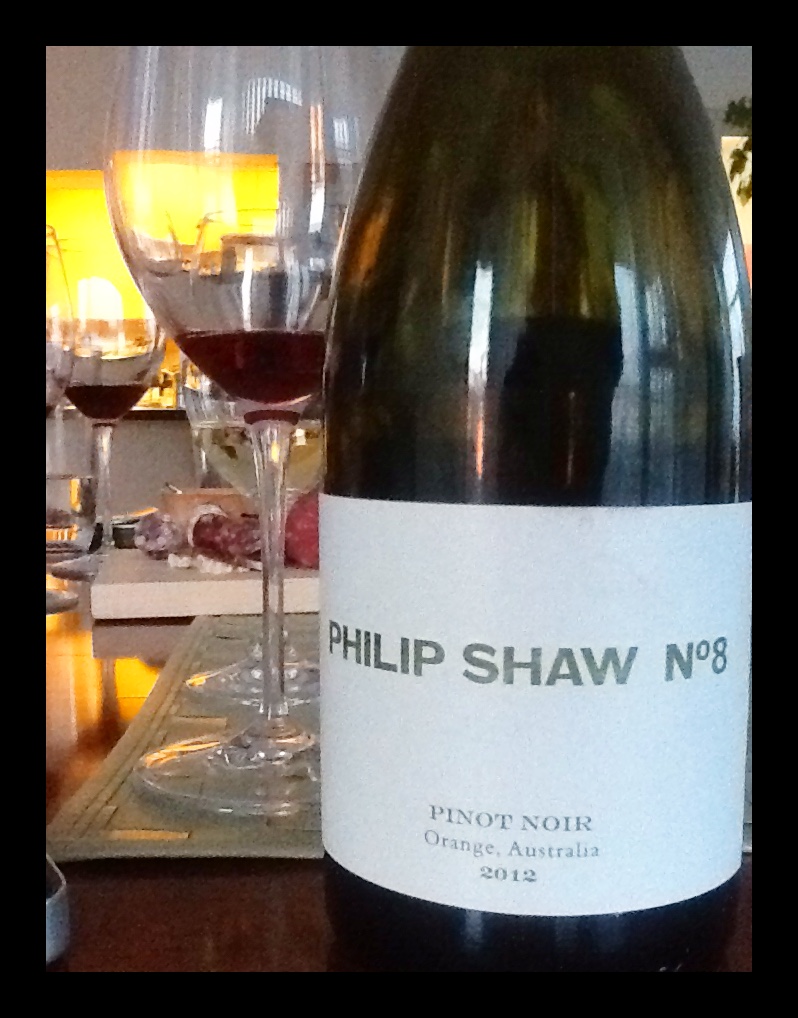
Pinot Noir, Philip Shaw No. 8, Koomooloo Vineyard, Orange, New South Wales, Australia, 2012, 12.5% abv, AUS $40

As Jodie put it, “Who the heck drinks Pinot from Orange!?”

We do, and it was delicious.philip shaw 8

But just where is Orange?  It’s out of the way, even for wine geeks.  Cool and at a high altitude (the 123 acres of Koomooloo Vineyards where this comes from grow at 900m), it’s near Cowra in New South Wales, west of Sydney, Australia.

Here we have a wine that is a shade of translucent ruby with an elegant nose of summer Byng cherry and lots of deep black fruit with judicious oak.  It’s tender and delicate with smoothly ripened tannins and a dry palate showing medium plus acidity.  Flavours are medium intense and include more Byng and sour cherry, some light licorice fern, an herbal element, crushed rocks and wood.

philip shaw 82

WSET Very Good quality; drink now or hold for 2-3 years.  Bonus artwork marks go to the back label artwork – it’s even prettier than the front.

Posted in Australia, OTHER, Pinot Noir, RED | Tagged , , , , , | Leave a comment

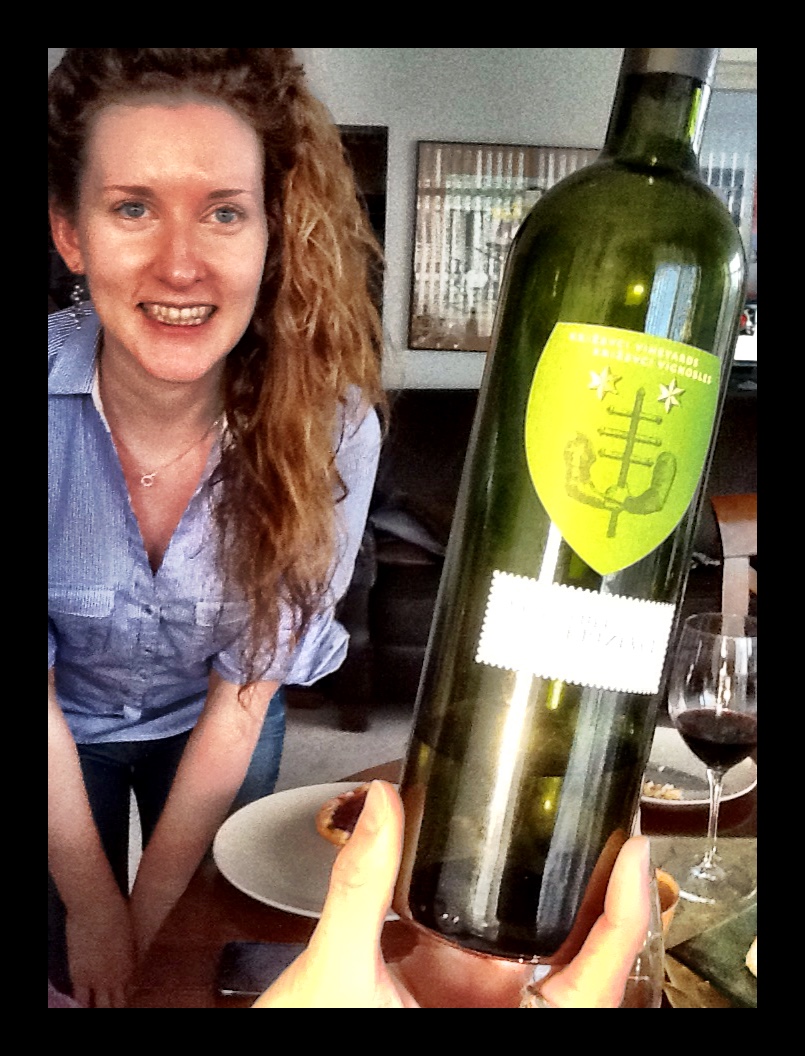
Grasevina Krizevci, Krizevci Vineyards, Croatia, 2012, 12%, C$11.95 (LCBO)

Here’s one for the century club members out there – those of us trying to record tasting at least 100 different varieties of grapes.  It’s one we don’t see very often in the BC market – in fact, this bottle of Grasevina or Welschriesling came from Croatia, but via Ontario.croatia

The Grasevina grape is planted widely in Friuli (Italy), Slovenia, Croatia, Hungary, Romania, Albania and China.  It has nothing to do with the great Riesling grape though – so don’t expect it to taste anything like that.

This wine is pale lemon in colour, clear and bright, simple and refreshing with a slightly bitter aftertaste of grapefruit pith and white pepper.  Dry and with average intensity and acidity, it has a light nose with almond, citrus peel and orange oil.

This is not a wine to be overthought – enjoy it on a warm summer’s day, chilled and with friends.  WSET Good.

Posted in Croatia, OTHER, Welschriesling, WHITE | Tagged , , , | Leave a comment

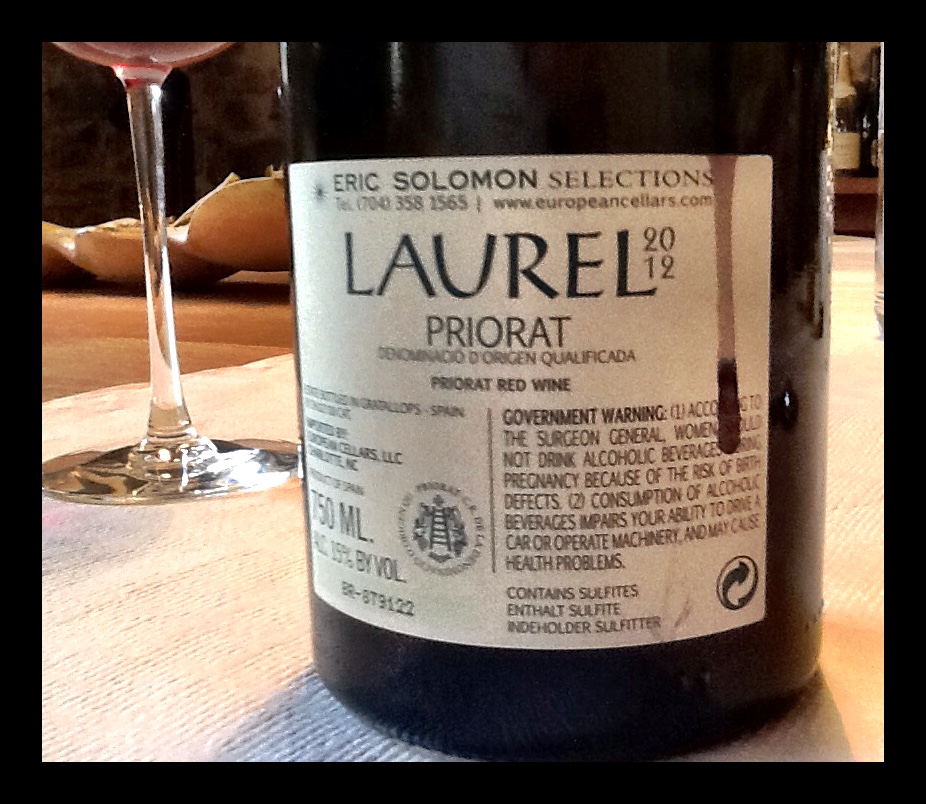
Laurel, Clos i Terrasses, DOQ Priorat, Spain, 2012, 15% abv.

daphne 2

Am I really sitting here with Daphne Glorian?

Do a quick Google search for ‘Daphne Glorian’ and up pops an inordinate number of results – 18,700, to be exact.  She’s a bona fide wine rockstar whose life work is synonymous with the red wines of Priorat, Spain.

daphne 6

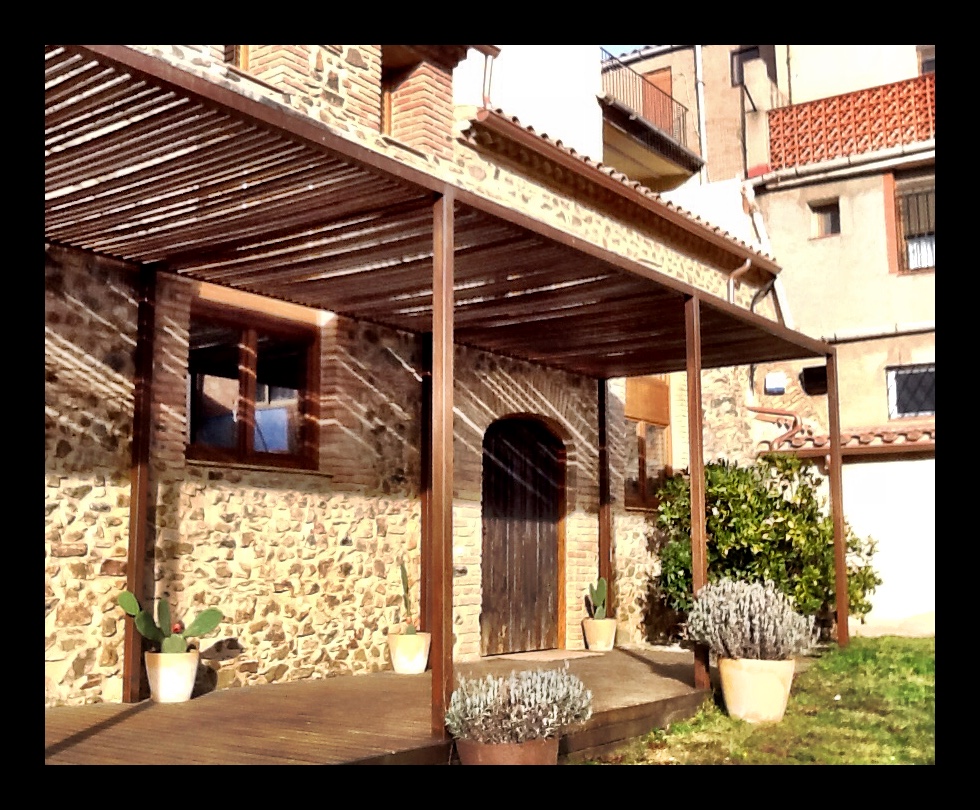
Glorian’s Priorat home used to be the town distillery.

One of the five winemakers who helped the region score a renaissance in the 1980s, the wines Glorian and her longtime vineyard manager Esther Nin produce (Laurel and Clos Erasmus) are always highly ranked; the 2004 and 2005 vintages were given back-to-back 100 point scores by Robert Parker.  No other female winemaker in Spain has managed that feat.  Her 14 ha of llicorella-planted vines produce only 3,000 bottles of Clos Erasmus each year; bottles start at C$200.

She’s also hard to find by today’s standards – she doesn’t maintain a website, a twitter account or office hours at her winery.  Originally from Switzerland, she bounces between Priorat and North Carolina with husband Eric Solomon of European Cellars.  Let’s face it – she does not need to be found.

Undeterred, I emailed to ask about a tasting in Priorat.  I didn’t get a response and tried again.  Ah well…  But three months later, I nearly fell over when a note popped into my inbox suggesting we visit with her.

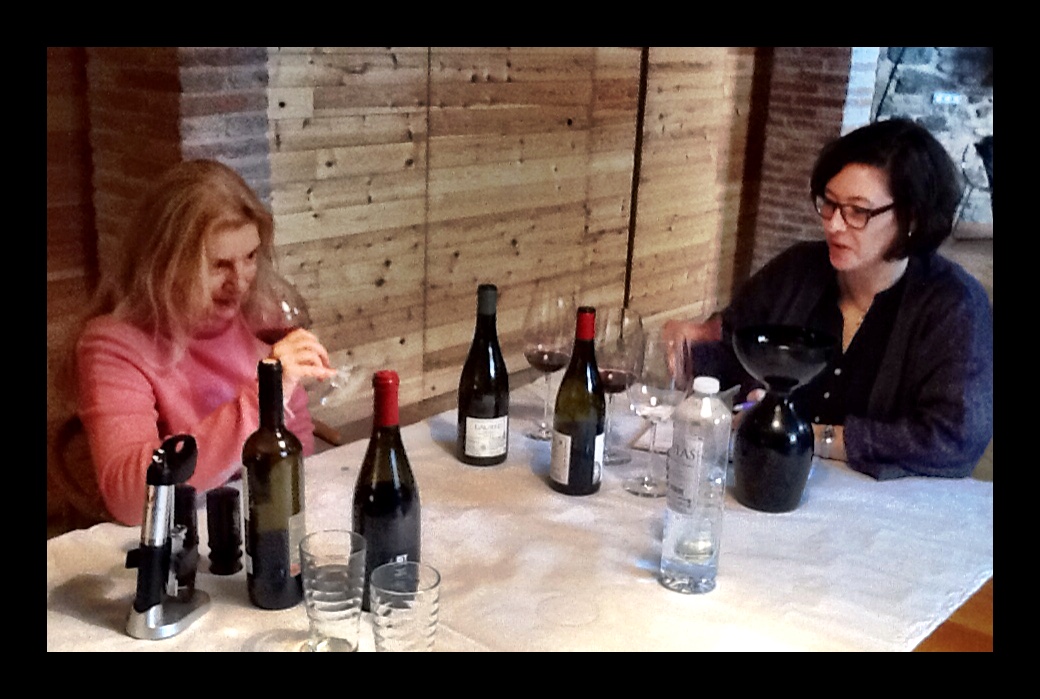
And that is how I ended up tasting Clos Erasmus in Daphne Glorian’s – The Queen of Priorat’s – living room.

Glorian regaled us with stories of her arrival in Gratallops, meeting Rene Barbier (“a daphne 3certified hippy”) and Alvaro Palacios (see the video produced to celebrate their 25 year anniversary here), converting her home (originally it was the town’s distillery), and her astonishment upon reading the initial soil analysis reports for her vineyard  (the slate soils contain a mere 0.05% plant/organic material – barely enough to sustain life).
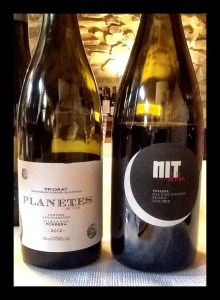
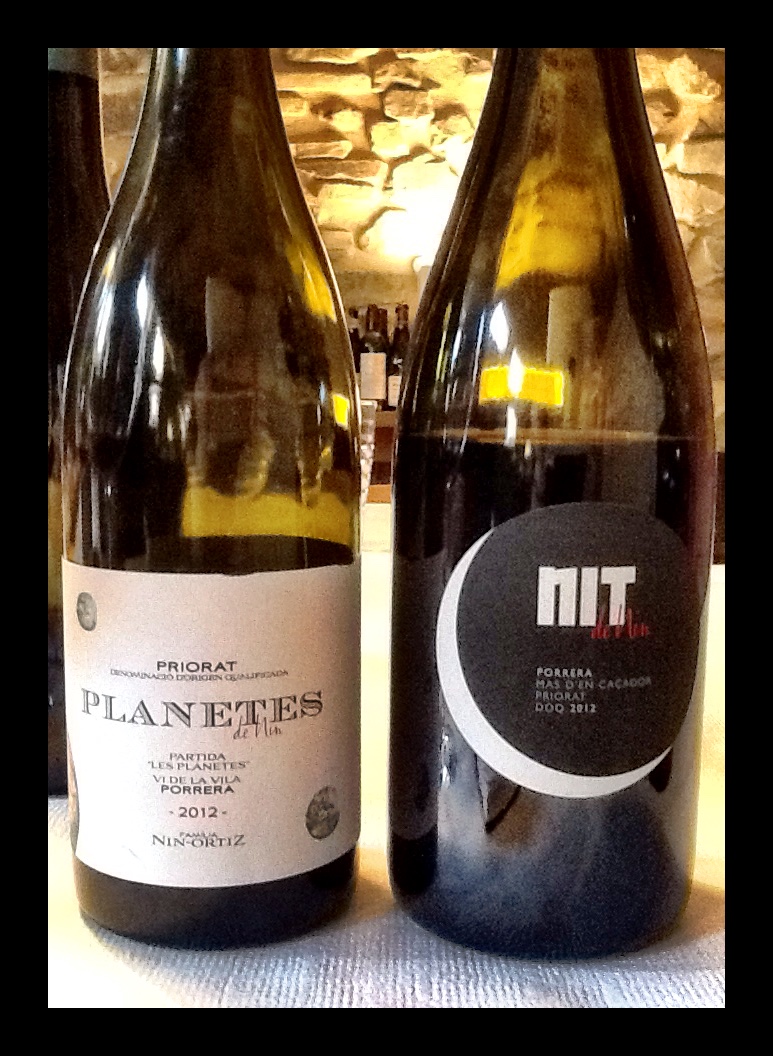
Over the course of two hours, she poured four wines – the Laurel and the Clos Erasmus (both 2012s), as well as two of Esther Nin’s critically acclaimed 2012 bottles (Planetes de Nin and Nit de Nin) – declaring “You’re a guinea pig; these have been open for four or five days!”   They were all delicious – softened tannins, elegant fruit and minerality.

daphne 5The Laurel, 2012, named so in an English-Greek play on her first name, is made from whatever grapes aren’t put into the Erasmus.  But make no mistake, this is no second class bottle – both wines are made from exactly the same parcels.  The 2012 is 20% Syrah, 10% Cabernet Sauvignon, and 70% Garnaxa.

Bright ruby with purple, this is a seamless and pristine wine showing intense minerals, sage, thyme, black cherry and black currant with soy sauce and licorice. Divinely approachable, it’s WSET Outstanding.daphne 4


Glorian seemed sincerely surprised I had read a good portion of those 18,700 links about her, and was even flustered when I asked if she had any Laurel we could purchase.  As she had no Erasmus in the house to sell, we made a beeline to Vinateria Aguilo to get a 2010.

Humble, generous and willing to share,  now there are 18,701 articles about her.

Posted in OTHER | Tagged , , , , , , , , , , , , , , | Leave a comment

Stefano Amerighi, Syrah, Cortona DOC, Italia, 2010, 14% abv

This week marks the Vancouver International Wine Festival and Syrah is the grape of the 2015 event.  While this wine is not available at the festival, Allan and I opened it to celebrate Syrah in general and lazy Sunday afternoons.

This version comes from a Demeter-certified (biodynamic) winery in Cortona, east of Siena and almost at the border with Umbria.  Planted by the winemaker, Stefano Amerighi in 2002, the site is referred to as the Poggiobello di Farneta.  This wine was lightly foot pressed, left to ferment spontaneously and kept in wood and cement tanks for 14 months prior to bottling.

Interestingly, Syrah has been chosen as one of the main grapes of this DOC region which is a little unusual – after all, it’s an international variety and Italy has no shortage of indigenous grapes upon which to focus (some say there are close to 2,000).  In fact, when you start to do a little digging, you learn Syrah has been planted here since the late 1700s.stephano

This wine is a deep magenta with medium plus intense aromas of black olives, fresh herbs, purple flowers and licorice fern.

The palate is dry with medium plus acidity and after decanting, the initial alcohol blew off.  Its feathery tannins and flavours of black tapenade, licorice, tarragon and rosemary with violets and purple plum were accented by a crushed minerality.  The finish is quite long.

This is an elegant wine – not a New World, big, bold and fruity version, but rather a delicate and slender one punctuated with fruit, floral and wood nuances and a beautiful mouth feel.

WSET Very Good and drinking beautifully with room to store for 3 more years.

Posted in Italy, RED, Shiraz / Syrah | Tagged , , , , , , , | 2 Comments

Mas Doix, 1902 Centenary Carignan, Priorat DOQ, Spain, 14.% abv,

doix 5doix 3It’s hard not to notice – there seems to be a higher-than-average number of female winemakers in Priorat, Spain.  I mean, a four day tour of the region is hardly enough to prove anything statistically, but of the seven wineries we visited, three had women working as their enologa.

‘We are a little bit sexist here in Priorat, you know,’ joked Sandra Doix of Mas Doix (pronounced Mass Dosh) when we asked her about our perception.  Sandra fell in love with wine and this work – which is not terribly surprising as she grew up inside and around it – and attended the University of Tarragona enology program with colleagues from Vall Llach and Sangenis i Vacque.

Sandra Doix, the 6th generation of her family to make wine in Priorat – with cousins the Llagosteras – at Mas Doix, has just returned from maternity leave.  With any luck, there will be yet another enologa to continue the family’s efforts in about 18 years.

We tasted all available wines including the Les Crestes 2013 (Robert Parker gave the 2012 a 94 and the 2010 a 92), Salanques 2011 and the Doix 2010 (rated 93 by Stephen Tanzer and 17.5 by Jancis Robinson), but the piece de resistance was the 1902 Centenary Carignan from 2010.

doix 1Yes, it’s named 1902 because the vines were actually planted in 1902.  This wine is made of 100% Carinenya (Carignan) grapes from vines planted by the Doix and Llagostera ancestors at 500m altitude.  This was the first planting following the phylloxera outbreak.  It was a conscious decision for them to plant more Carignan than Garnaxa; there’s generally more in the Poboleda region.

The vines are free-standing (en vaso) and yield only about 300 grams of grapes each annually.  When it drops below that, Sandra’s mother Maite – whose vine grafting skills are sought by viticulturalists from around the world – ensures the vines are safely re-grafted and that the roots survive, some of which are thought to extend as far down as about 40m.

“For us, it’s an honour to make this wine.  It’s a way for me to give gratitude to my ancestors.  This wine is a selection made from a selection; only the very best grapes are used.”  There are only about 3 barrels of this produced each year and the bottles are all numbered.

Sandra recommends this wine be heavily decanted for at least 30 minutes and notes that for the first 5 minutes it’s open, the wine will be quite shocked.

There’s a strong salinity to this glass-staining, aubergine toned wine which I learned to associate with Carinenya during our time in Priorat.  Initially giving us green olives and brine, the wine blossomed to fresh blackberry, purple plum and violets with fresh tarragon, licorice and cassis.  There is a strong slate note that exudes llicorella, the local rock-based soil.  The tannins are high but velvety and are balanced by good medium plus acidity; the structure is strong and yet it’s a tastefully delicate and fruity wine.

Drink now or can be cellared for 8-10 years.  WSET Outstanding wine.

doix 4

Posted in Carignan, OTHER, RED, Spain | Tagged , , , , , , , , , , | Leave a comment

Lo Coster Blanc, Sangenís i Vaqué, Priorat DOQ, Spain, 2013, 18 Euros

It’s the perennial question – what is ‘the next big thing’ in wine?  My bet is on the white wines of Priorat DOQ.siv 7

During a trip in January 2015 to this high quality Spanish region, I was repeatedly and most happily surprised by the white wines produced there – usually from Garnaxa Blanco, Macabeu and sometimes Pedro Ximenis – despite Priorat being internationally known for its robust and mineral laden red Garnaxa – Carinenya blends.

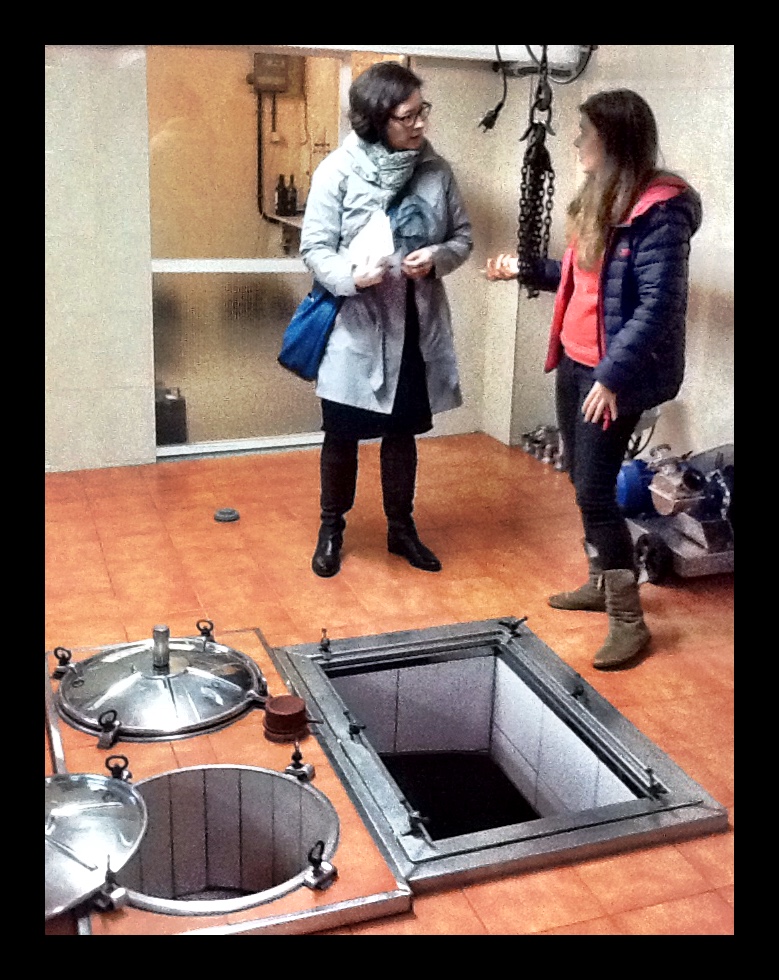
siv 2We spent a morning at the bodega Sangenís i Vaqué with Maria Sangenís i Vaqué, one of the family’s winemakers who has personality and charm to spare.  Married to Roger Simó siv 4Garcia of neighbouring bodega Vall Llach, Maria gave us a tour of the facility and led us through a tasting of their available wines.siv 8  She and sister Nuria are very involved in the family business as are her parents – their (warranted) pride and success shows in all they do.

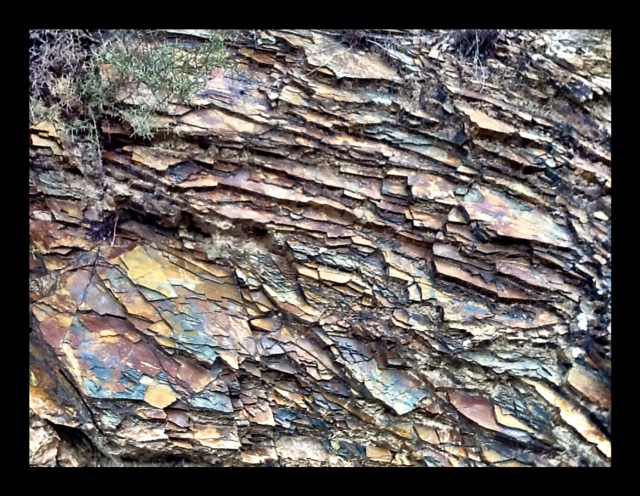
The Sangenís and Vaqué families have been making wine in tiny Porrera since the 18th century, but the current iteration has been in operation since 1973 when table wines were the order of the day and it was much more difficult to produce quality bottles from what was a very poor region of Spain and its famous llicorella slate soils (see picture – yes, the vines grow in those rocks).siv 1

The family owns about 13 ha of vines with Cabernet and Merlot on wires and indigenous Garnaxa and Carinenya en vaso (free-standing bush/gobelet form).  We tried all their wines and a few verticals of some (for example, the 1999, 2005, 2011 and 2013 of the Monlleó) and brought back a bottle of the 1999 Monlleó.  However, it was the Lo Coster Blanc I couldn’t stop thinking about.

Launched as a class project for Maria’s enological studies at the local university in Tarragona, Lo Coster Blanc (‘The White Slope’) is the only white wine the bodega produces.  The grapes are Garnaxa Blanco and Macabeu with a little bit of Muscadelle for the nose and they are grown in Torrojo and Porrera.siv 5

Only 496 bottles were produced of the 2013 that spent 24 hours on its skins and 8 months in new French oak.  This wine has great structure and depth, but is at the same time delicate and juicy.  The aromas and flavours include stone fruit (peach) and citrus (light lime) and are a little sherry-like in addition to showing evidence of oak and vanilla.  It stands up beautifully to Catalan cooking and is refreshing, yet solid. 06-Sangenis-i-Vaque-Wine-Lo-Coster-Blanc-2010_collage

I wish I’d brought some Lo Coster Blanc back to Canada with me as no one imports it here yet.

This family winery is a huge part of the reason Porrera has been revitalized. Their patience and passion for the process, great affection for and connection to Porrera, and their top-quality product has enabled that and will cement their role for the future.


Posted in OTHER | Tagged , , , , , , , , , , | Leave a comment

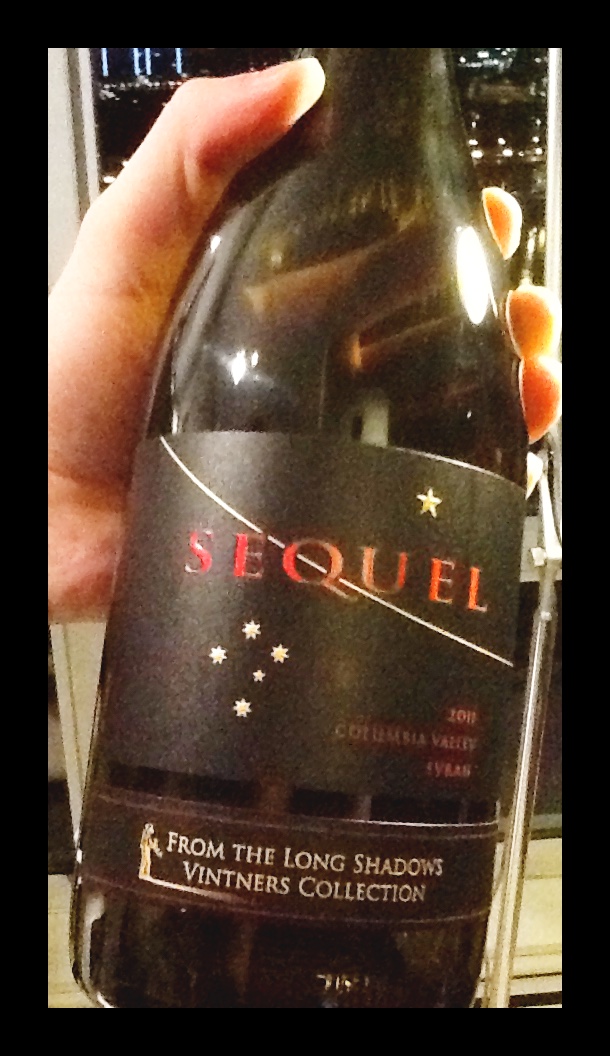
Sequel, Syrah, Long Shadows Vintner’s Collection, Columbia Valley, Walla Walla, Washington, 2011, 14.8% abv, US$50

sequel syrahWe were spending a day at the tasting rooms of Woodinville, north of Seattle in Washington state when we popped into the Long Shadows storefront.  If you haven’t heard about this concept, I guarantee it will intrigue you.

Since 2000, former Chateau Ste. Michelle president and CEO Allen Schoup has worked with colleagues and resident winemaker Gilles Nicault to partner with internationally renowned winemakers.  Each produces a wine from the grape they are famous for having produced in their home countries – and that’s where the ‘Long Shadows’ name comes from.

This Syrah – the Sequel – has been made by John Duval.  Yes, the John Duval of 28 years of Penfolds Grange fame.  John Duval who won the 1989 winemaker of the year award at IWSC, London.  John Duval whose 1990 vintage of Penfolds Grange won Wine Spectator’s wine of the year award in 1995.  I think you get the point.

This wine made me sit up and take notice before I knew Duval had created it.  Our Long Shadows host, Nina, was also a great fan.  ‘Sequel’ (named so to indicate Duval’s wine life post-Penfolds) is an opaque purple with a thick violet coloured rim and deep legs.

The developing aromas are intense and show blackberry and cocoa bean, some salumi, olive, crushed herbs and minerals.  The palate is dry with a juicy acidity and ripe tannins with some grip to them yet.  Although the alcohol is high, there is no sign of boozyness.  This is one well-balanced wine.

The intense flavours include more deep black pepper and fruit – blackberry, currant and Italian plum – with heavy rosemary and thyme, more meat, leather, some Dutch licorice and a long finish.

Complex, layered flavours and aromas combined with the balanced alcohol, acidity and tannins offer a wine drinking beautifully now but yet which will also age well for 5-7 years.

WSET Outstanding


Posted in OTHER, RED, Shiraz / Syrah, Washington State | Tagged , , , , , , , , | Leave a comment