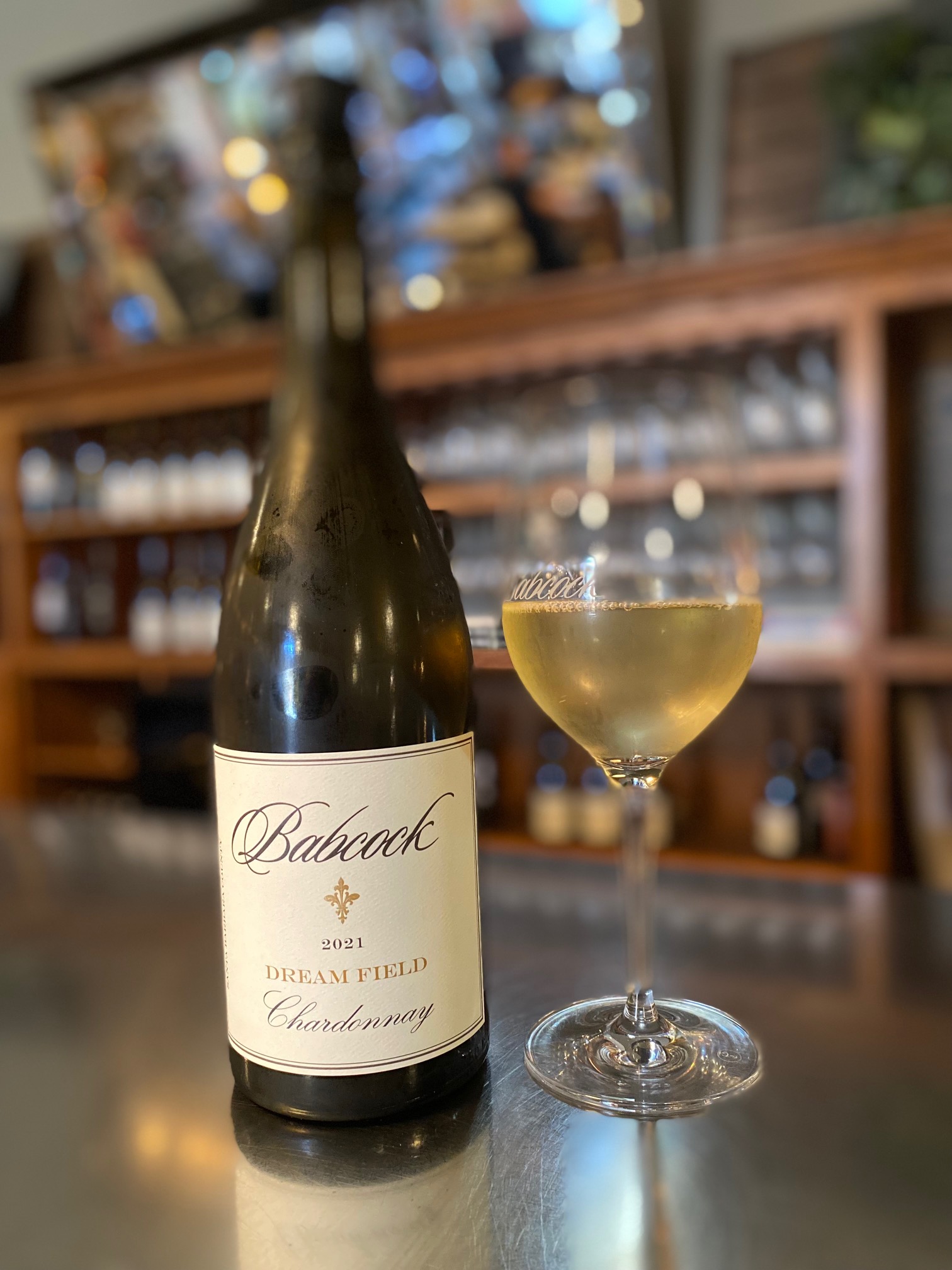
 I have visited tasting rooms in seven countries, but this one nestled in the Santa Rita Hills is the most intriguing and relaxing I’ve ever been to.
Take a seat outside at one of the trendy, weather-worn tables decorated with beautifully potted succulents, and enjoy a glass or more. The Babcock tasting experience has happiness and class imprinted all over it.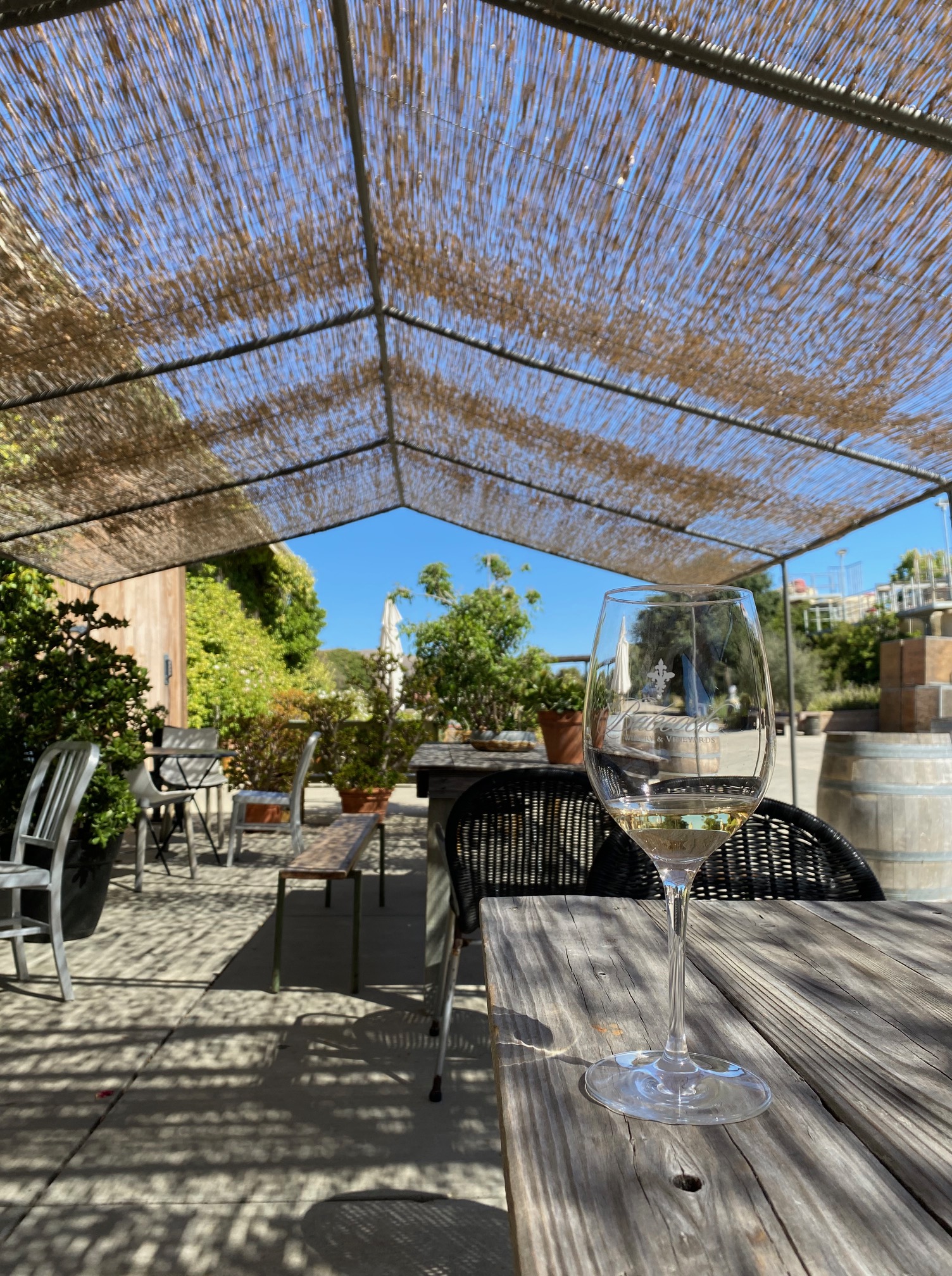
The main area is a huge 5,000 square foot former barrel storage building with a beautiful selection of what seems like never-ending, high quality options for purchase, carefully curated by Lisa Babcock. As their website puts it, “It’s really a fusion of creativity that 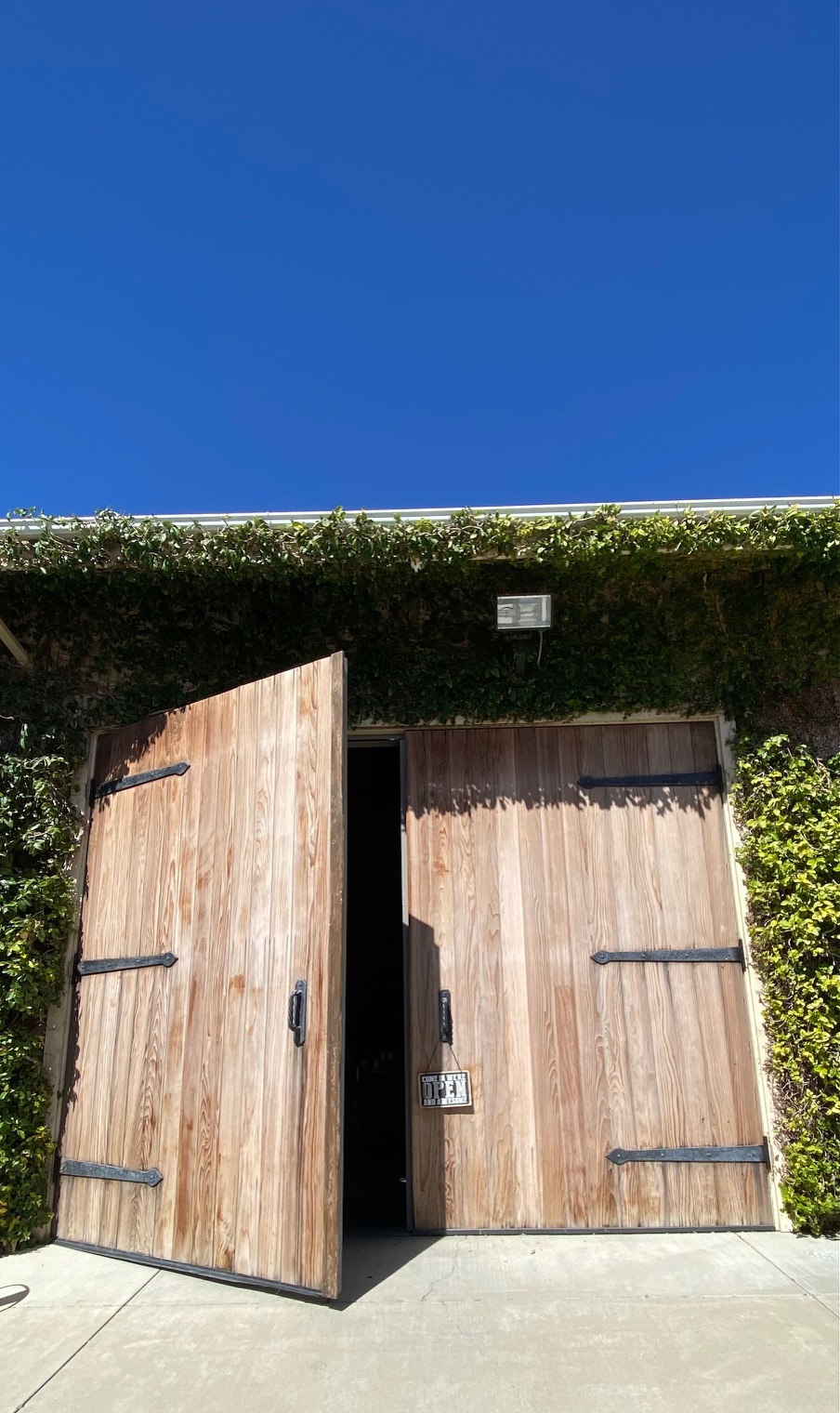 encompasses more than just wine.” (see video below)
There’s something for everyone here – from vintage motorcycle jackets and concert posters, to gourmet snacks, jewelry, no end of accessories, and of course, plenty of award-winning wine.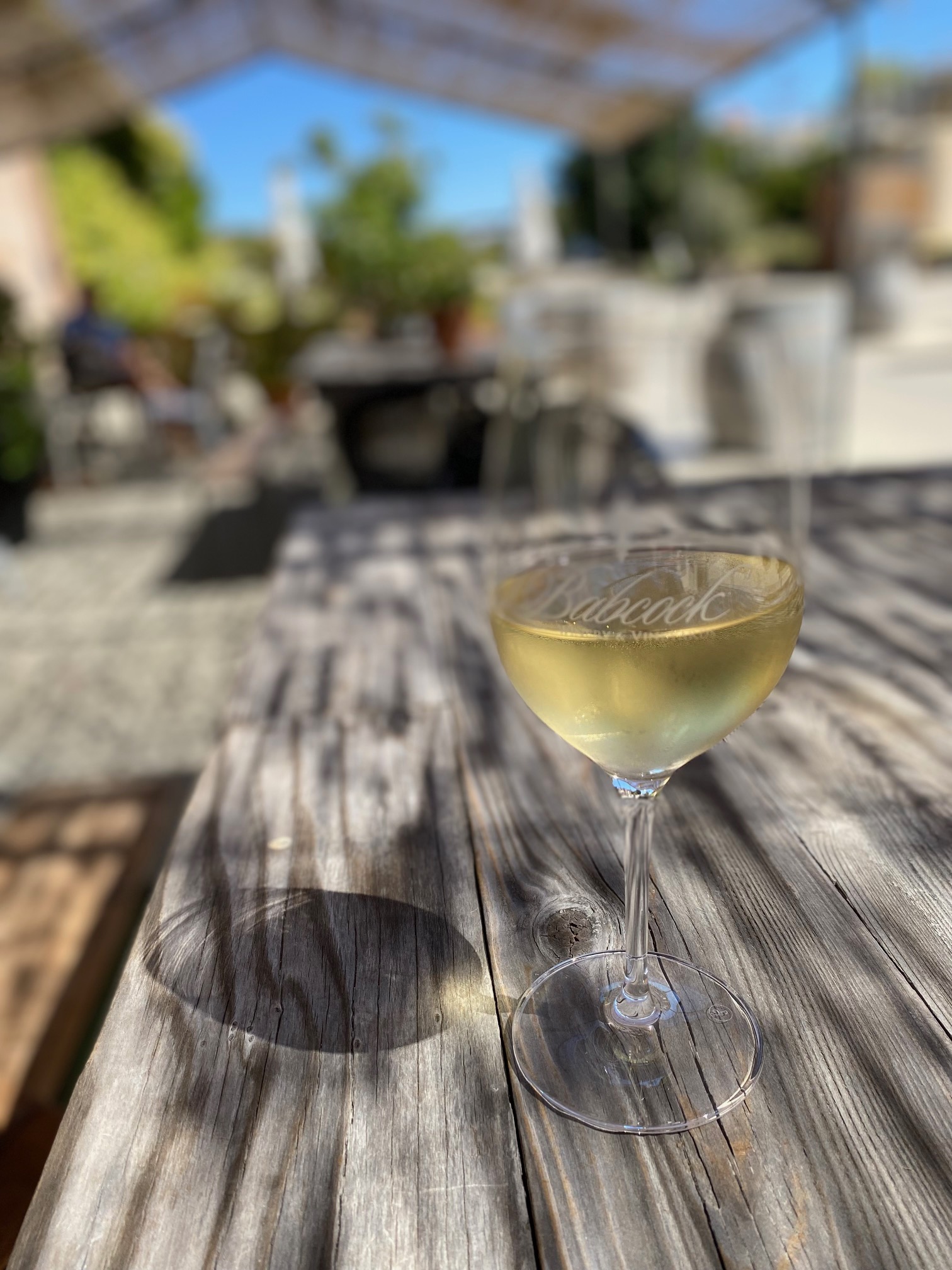
In 1995, winemaker Bryan Babcock was honoured by the James Beard Foundation as the only American on a list of ‘Top Ten Small Production Winemakers in the World’. His wines are serious, coveted, and quite famous. He has worked tirelessly for the Sta. Rita AVA.
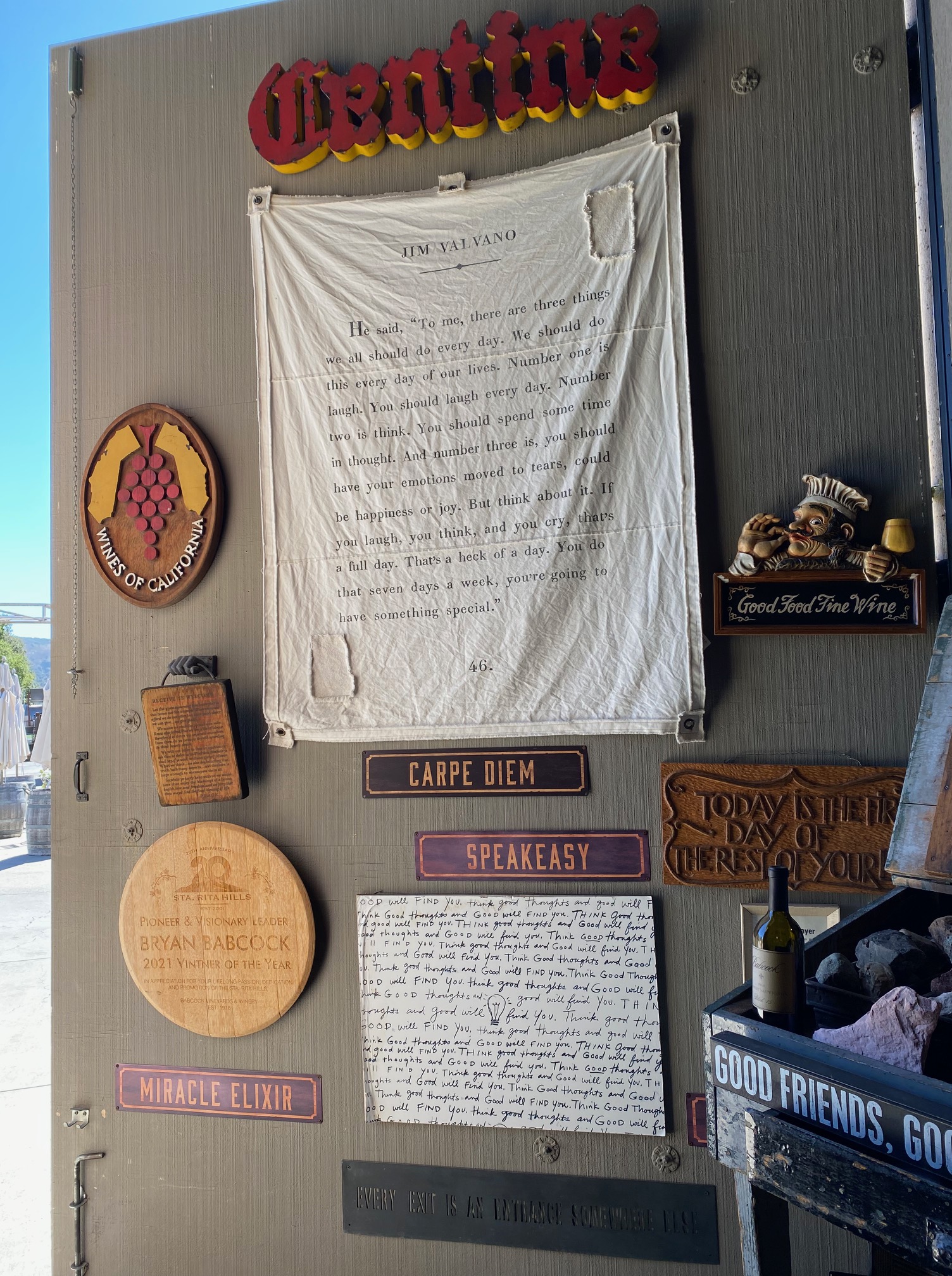 Although he produces Pinots and a myriad unusual grapes that people come from miles
 away to taste, it was approaching 90F, so I opted for some Chardonnay. Relaxing outside at the crush pad, I was ecstatic.
There was no one to tell me how the wine should taste, and no one to hover over me and move me out within the allotted hour. Just Chris, the really great, laid back, yet superbly professional and knowledgeable tasting room manager who clearly knows his stuff, some exquisite wine, and a fabulous soundtrack of classic and alt rock. It’s an absolutely refreshing atmosphere to find at a winery.
Eyes – medium gold
Nose – yellow apple, lemon curd, a light sea salted caramel, and wet stone
Palate – lemon zest and lemon meringue, pineapple, with more salted caramel and minerality, dried stalks of lemongrass, and an ever-so-light touch of oak. Medium plus acidity keeps you wanting more. A completely integrated beginning and end tells the whole story
Hands down – if I lived anywhere within a decent drive of this place, I’d be a member in an instant and make weekly visits. I finally found what I’ve been looking for.

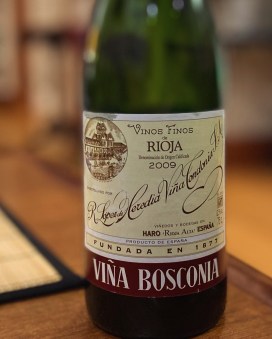 (5), the Bosconia is a translucent ruby turning ever-so-lightly to garnet – which in and of itself is remarkable for a 15 year old wine. The nose shows ripe strawberry with clove, cinnamon, sandalwood and green hay, while the fresh, clean palate echoes it with addition of sour cherry, rose petal and light leather belt. The finish is beautifully long on this delicious wine which has a long life ahead of it. If you have some, it will go for a good decade more.
 We took a trip recently to Vietnam – I highly recommend this country as a
  place to travel to. The people are extraordinarily gracious, the food is
 almost uniformly delicious everywhere you go, and the country is incredibly beautiful.

 I tried many new things during this trip including some (very hot) rice alcohol, and some ‘snake wine’. Most of the beer I encountered was unremarkable, but the bartenders at our Hanoi hotel took good care of me with awesome cocktails.
 Then there was the Martini I ordered in Hoi An – which ended up being literally that, a shot of Martini Vermouth. Vietnam’s coffee game is s t r o n g, which made me deliriously happy. This was the only positive holdover from colonization that I could see, except maybe for the bread used for Ban Mi.
 But this Gin was a huge winner and I was happy to be able to bring some back home to Canada. The Lady Trieu Distillery has developed a series of Gins, each celebrating the distinct biodiversity and history of different regions of Vietnam. I chose the Hoi An Spice Road because we had enjoyed touring the Old Town streets and pagodas at the UNESCO World Cultural Heritage site.
 During Cov*d, I offered a wine tasting with paired hors d’oeuvres to a local Rotary Club fundraiser for the Victoria Hospice Society in the memory of my father-in-law, Ken, who spent his last days there.

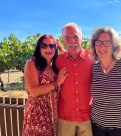

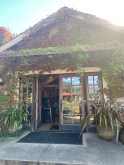 As wine club members, we were offered a premium tasting; Scottish transplant, Jacqui, led us expertly through 9 very different wines including a Sauvignon Blanc, a Cabernet Sauvignon, A Petite Sirah, several blends, and four Zinfandels.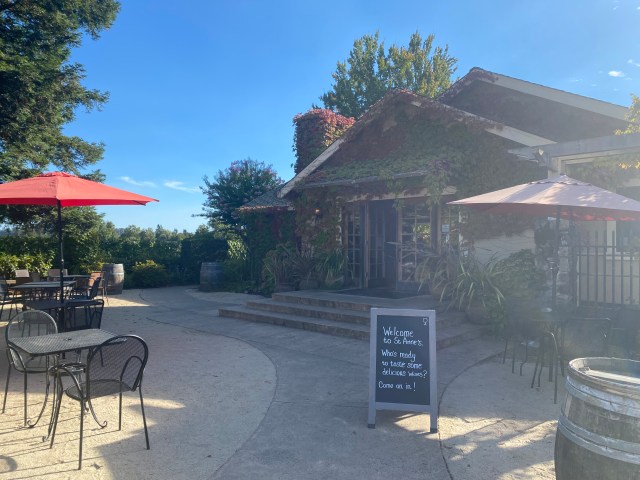

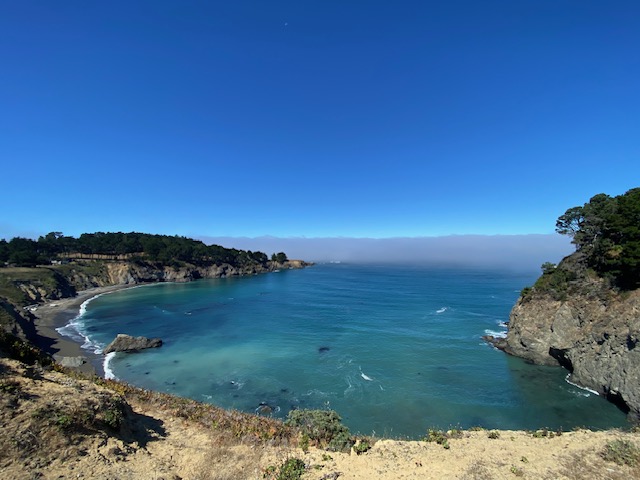 Travelling down the highway from Mendocino on our way to Truckee, California, I yearned for a tasting at Domaine Anderson. We’d been to the Anderson Valley several years prior, but had visited their sister winery, Roederer at that time.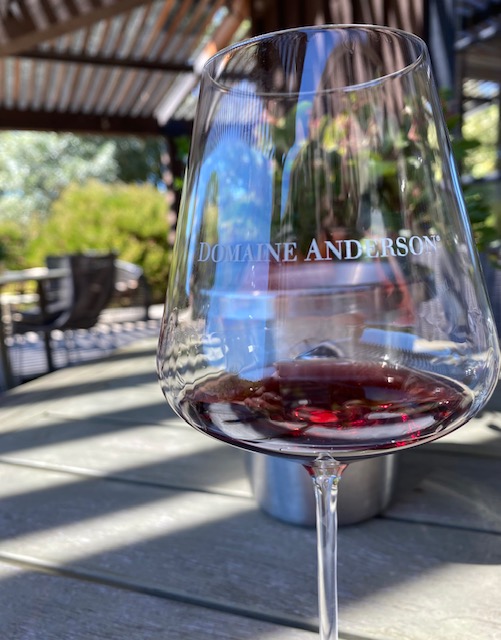
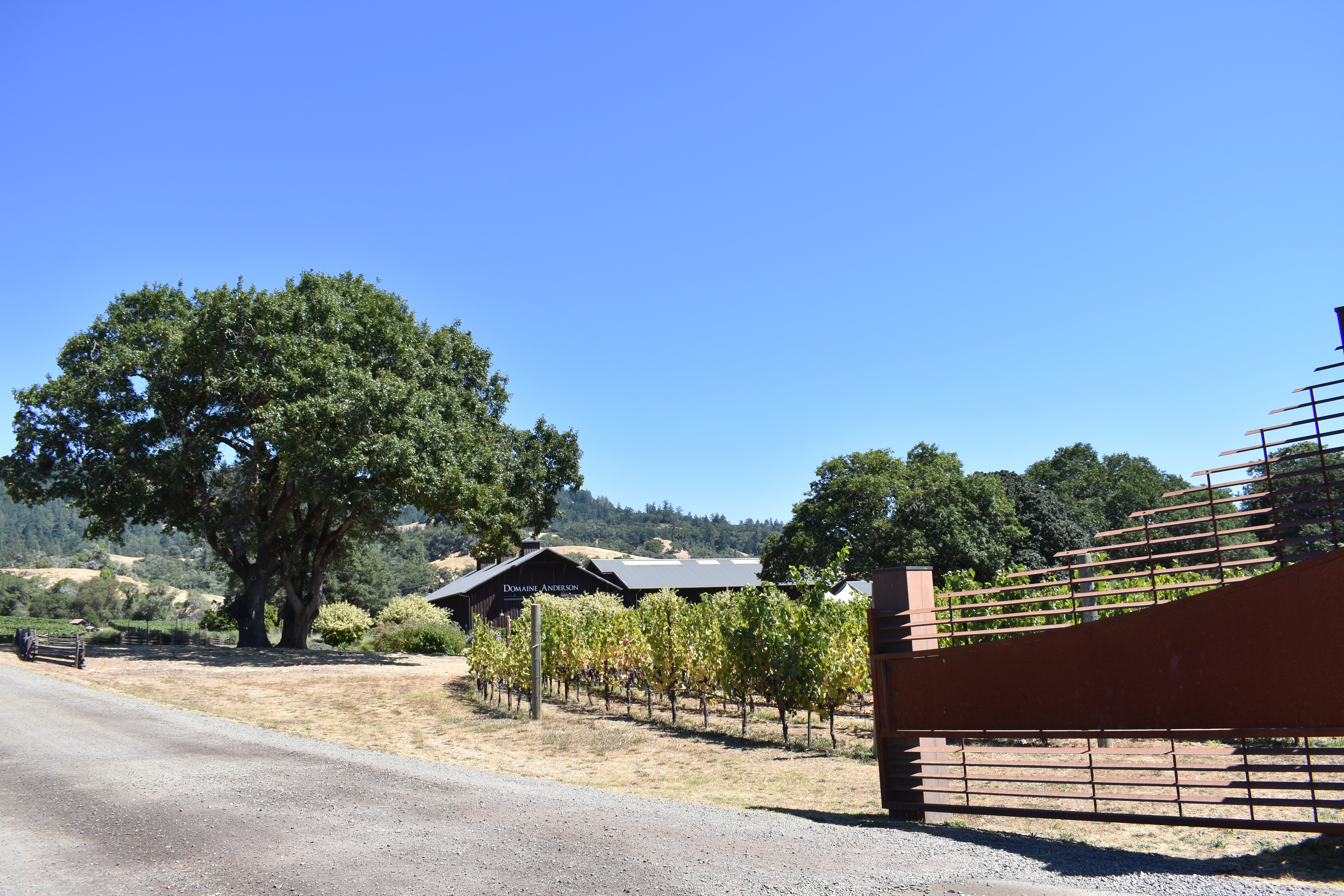 Domaine Anderson is nestled into a refined and graceful setting – the architecture of the tasting room and surrounding buildings is beautiful. Everything is in harmony – which is hardly surprising because these folks are cognizant of how important that is; they run an organic and biodynamic outfit. Their vineyards are all certified organic, and the Dach in particular is Demeter Certified Biodynamic.
  just the right amount of information and presence.
  I was a fan of both the Walraven Vineyard Chardonnay and Pinot Noir. Walraven is their warmest growing region in the south of the valley, but also has the most altitude featuring Chardonnay clone 124, and Dijon clones 114 and 667.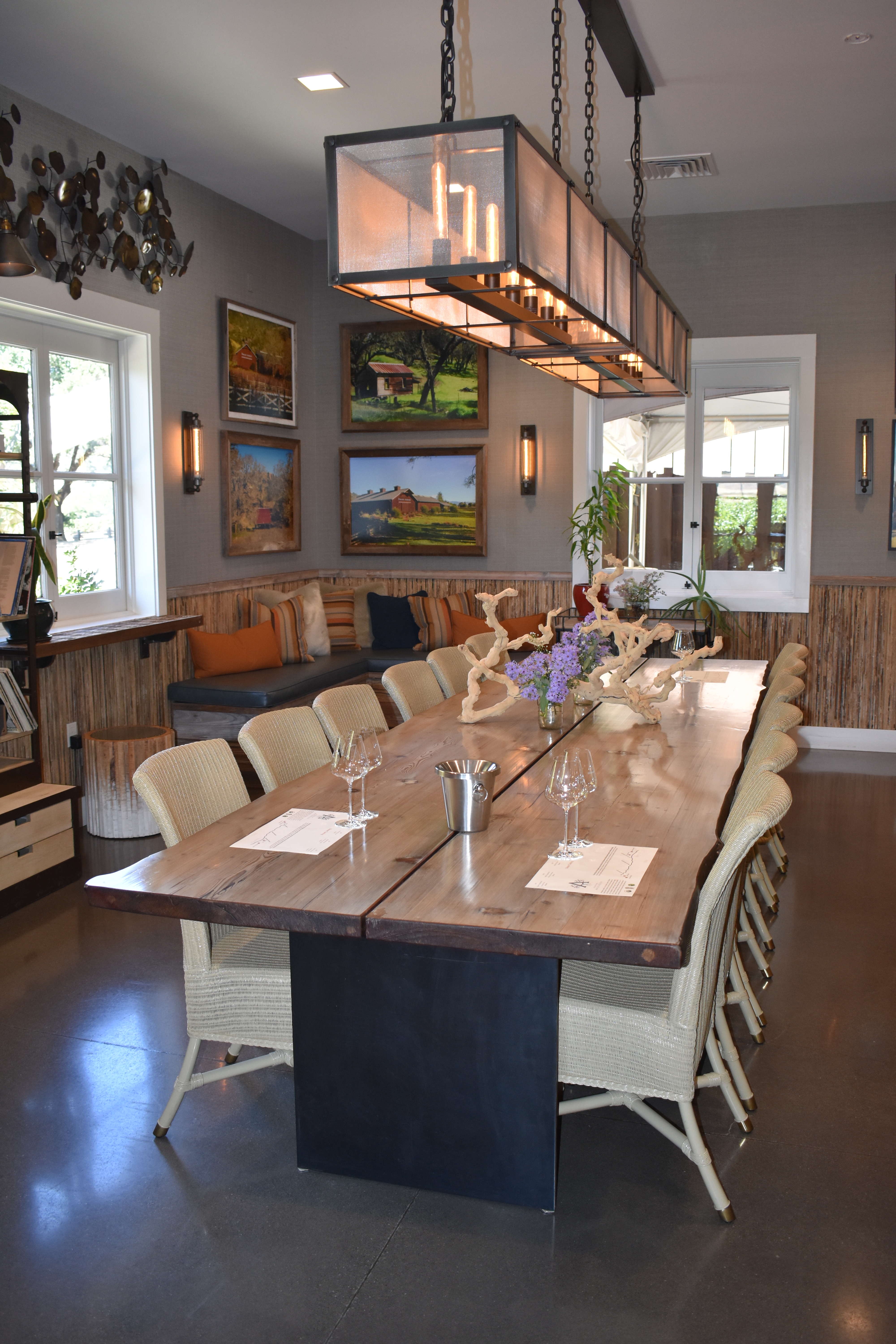

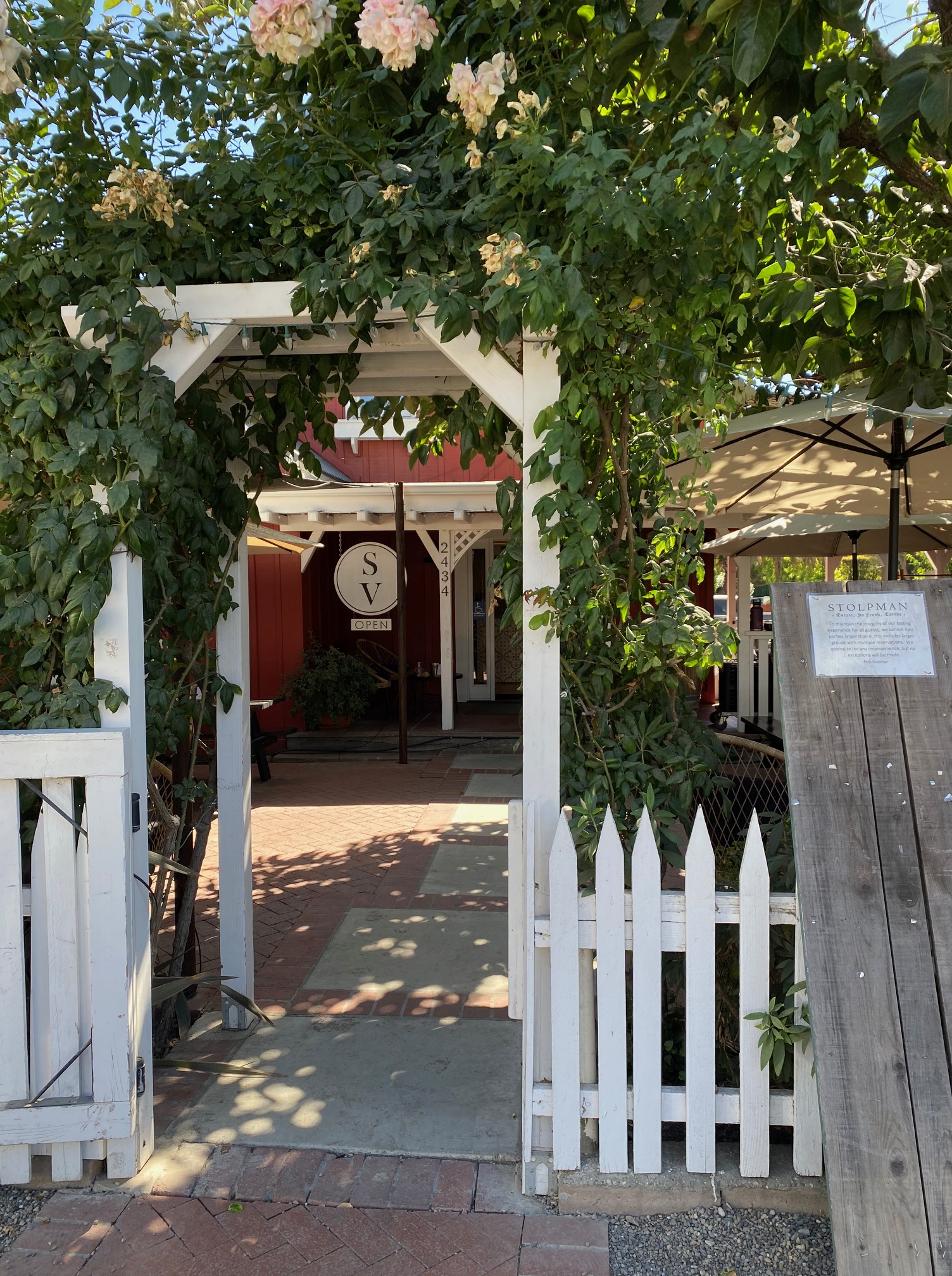
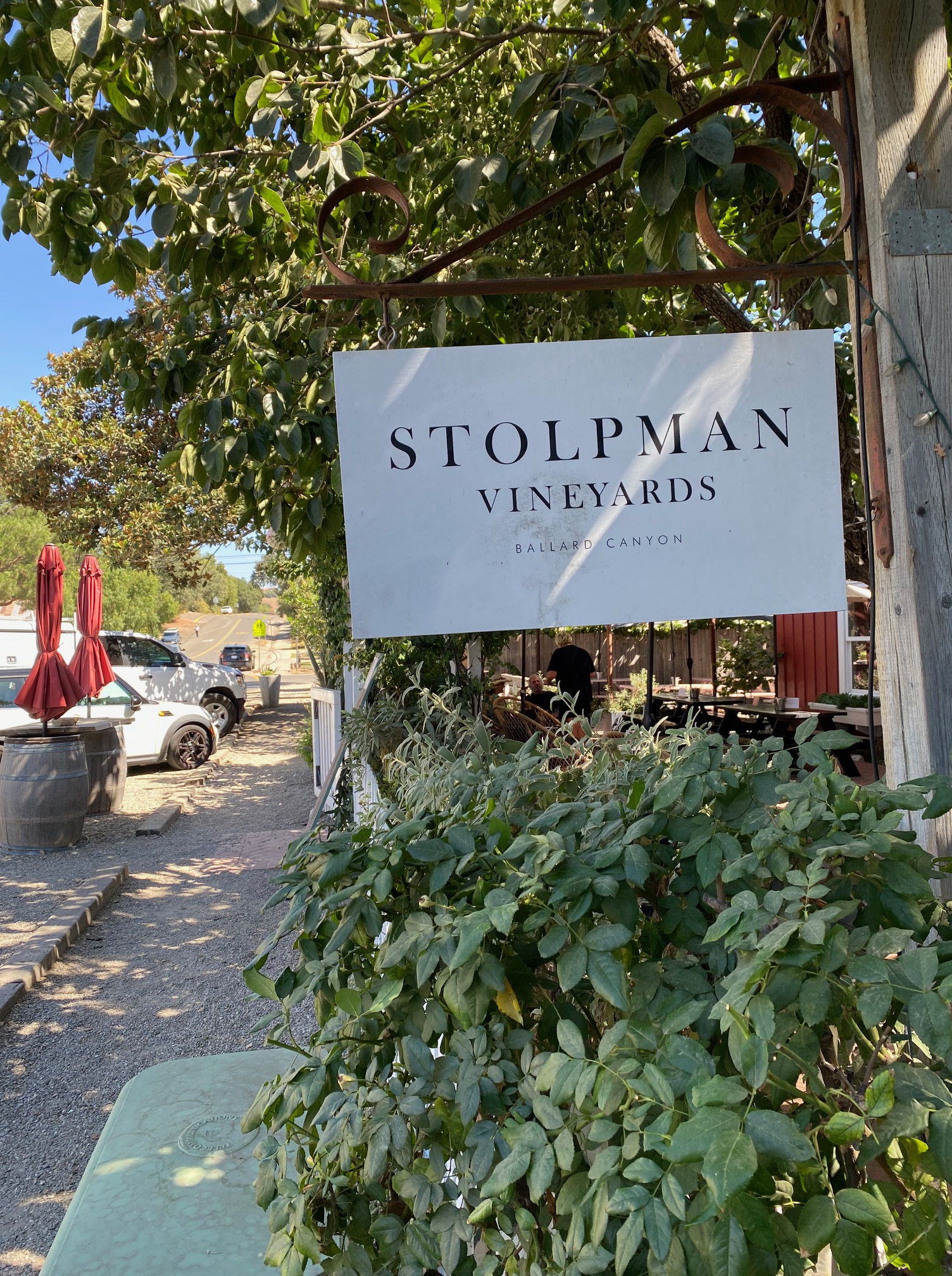 The night before I’d been to a renowned restaurant that listed Stolpman Vineyards on their wine list, so I thought I’d pay them a visit at their outdoor tasting room in lovely Los Olivos, California – a small town with many dozens of winetasting options.
 several of his wines to them. For example, the rosé being tasted was the “Para Maria” with half of the profits going to his employee of 20 years. There was also a red blend – Syrah, Sangiovese and Grenache – called “La Cuadrilla” in honour of the farming team/crew.
  At least 10% of the vineyard’s production goes into the blend. The profits are returned to the crew members, divided by seniority, in the form of both a year-end bonus as well as weekly bonuses on each paycheck.
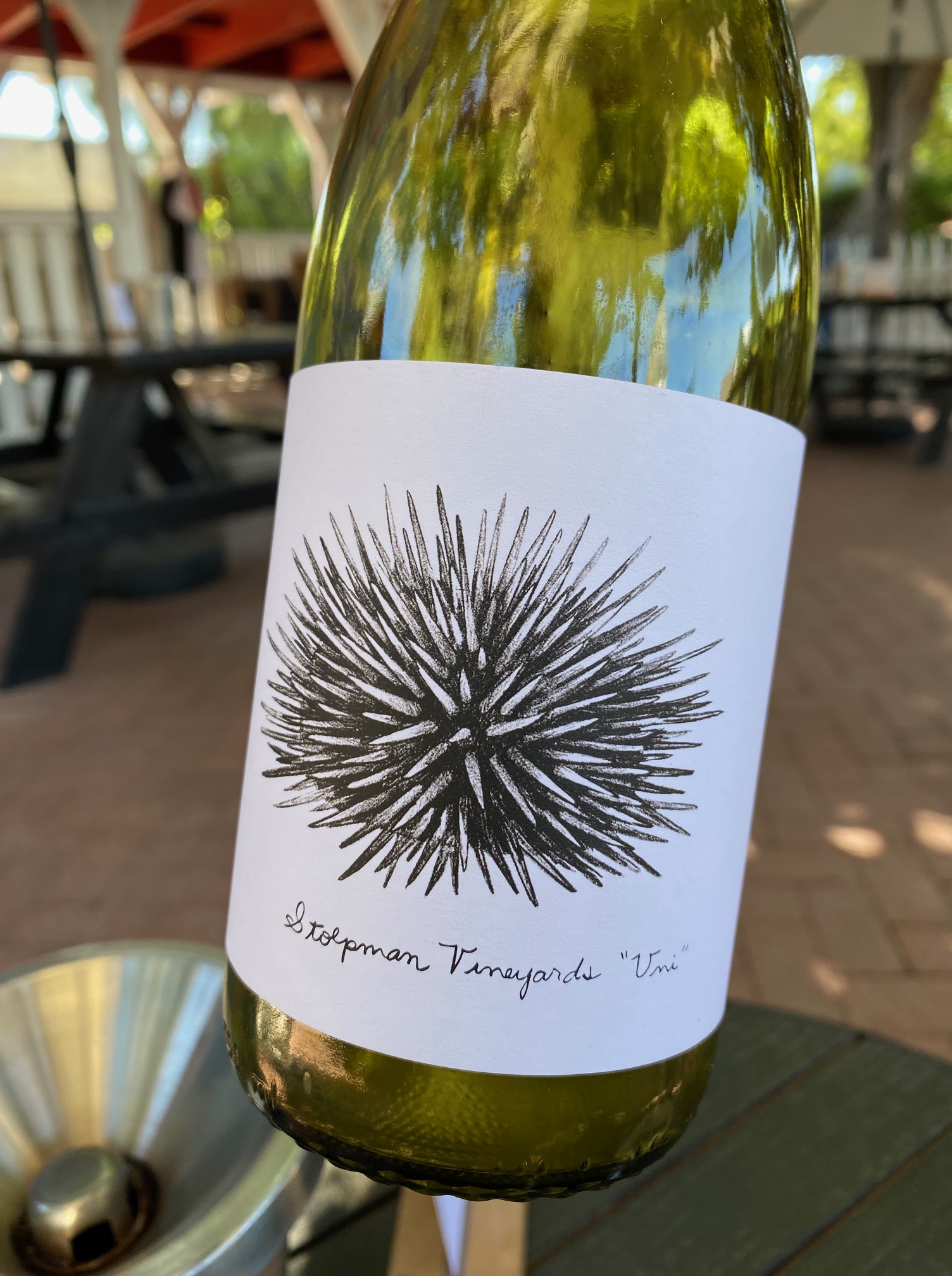 and 30% Chardonnay white blend with a herbal palate and nose of honey, acacia, pineapple, and nettle. Acidity is high on this wine and it is marketed to local Japanese restaurants – hence the sea urchin name and theme.
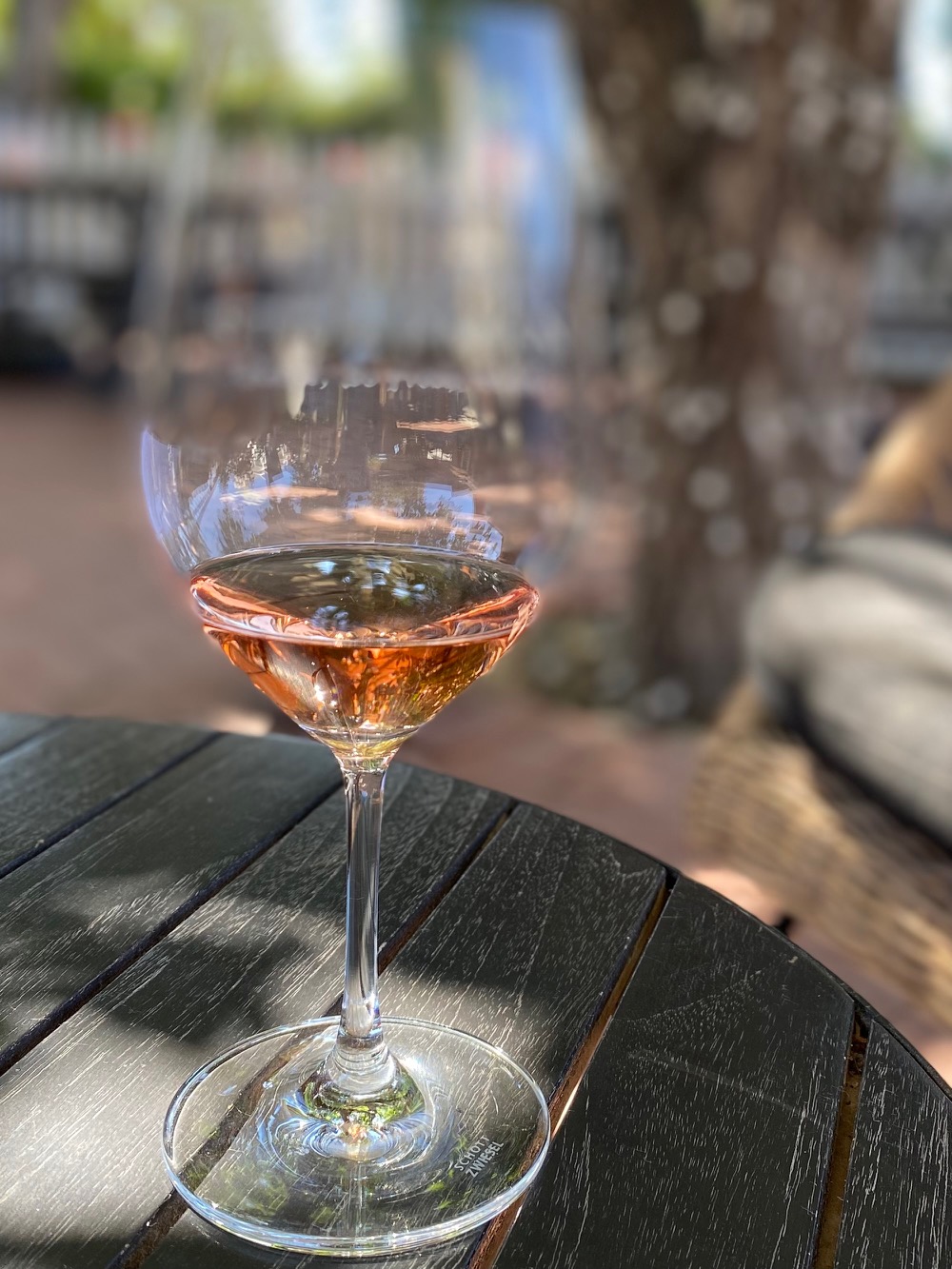 Definitely worthy of a visit (make a reservation online) if you’re in the Solvang-Buellton area.
 dined at ‘Passionfish’.
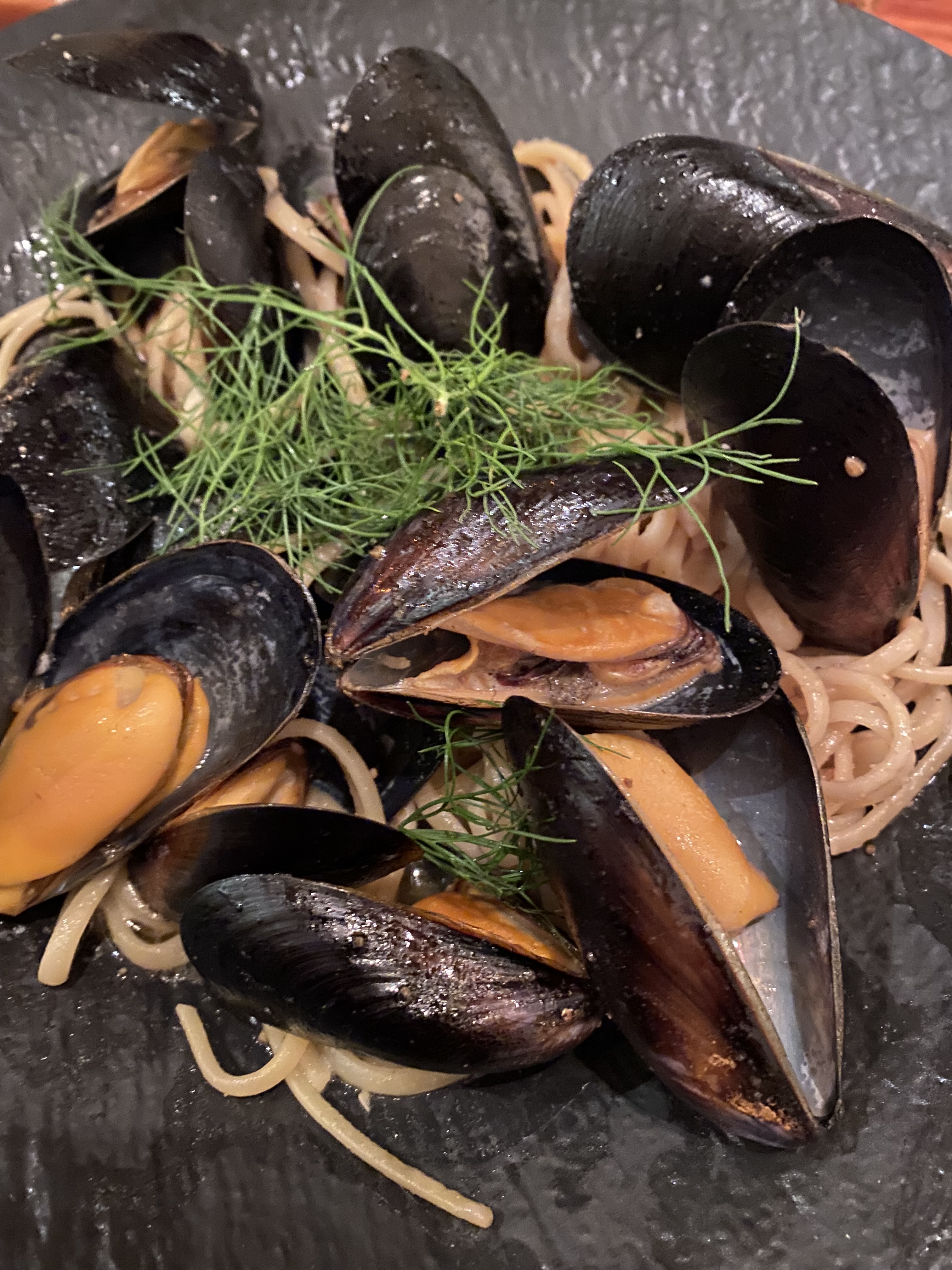
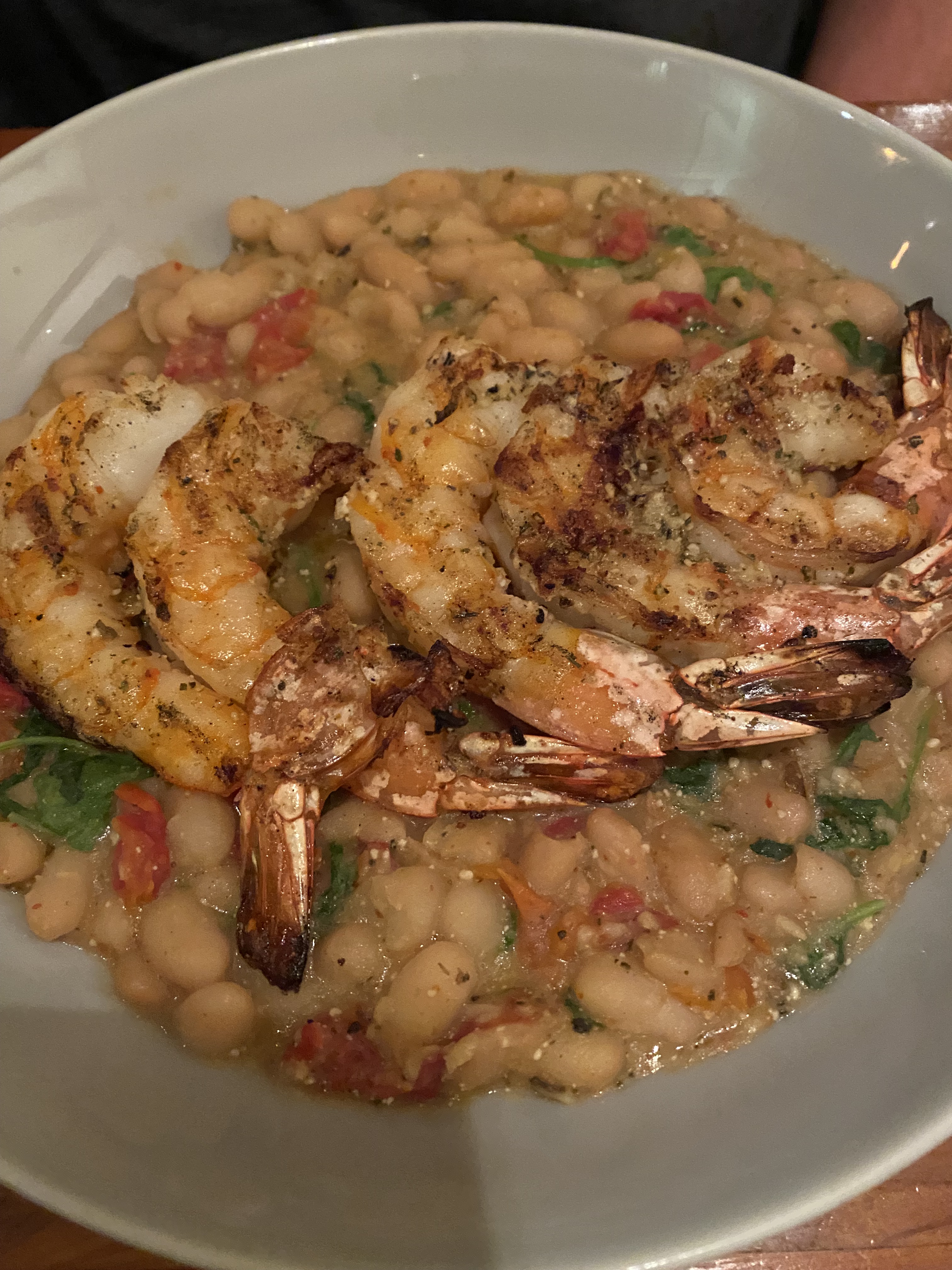
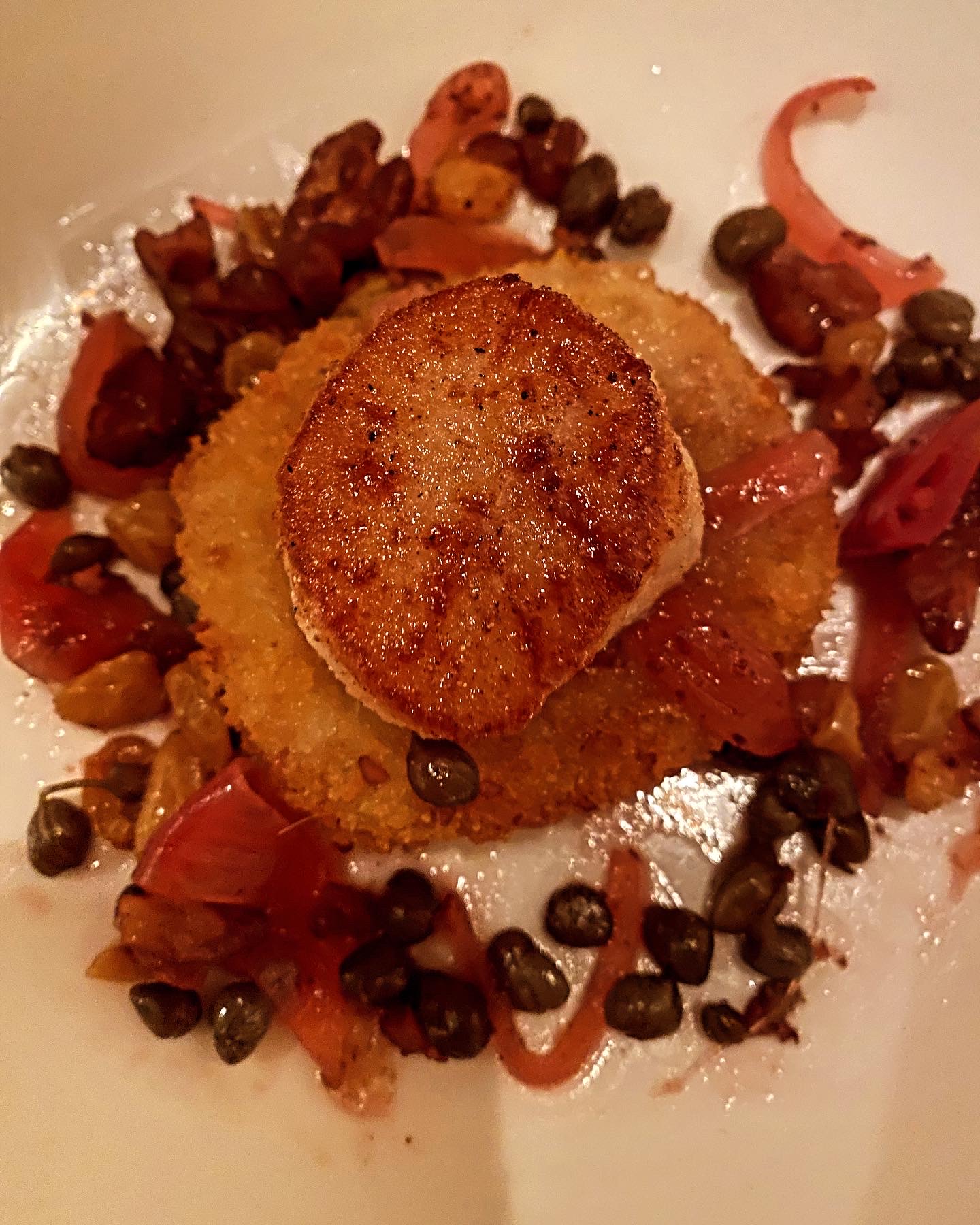
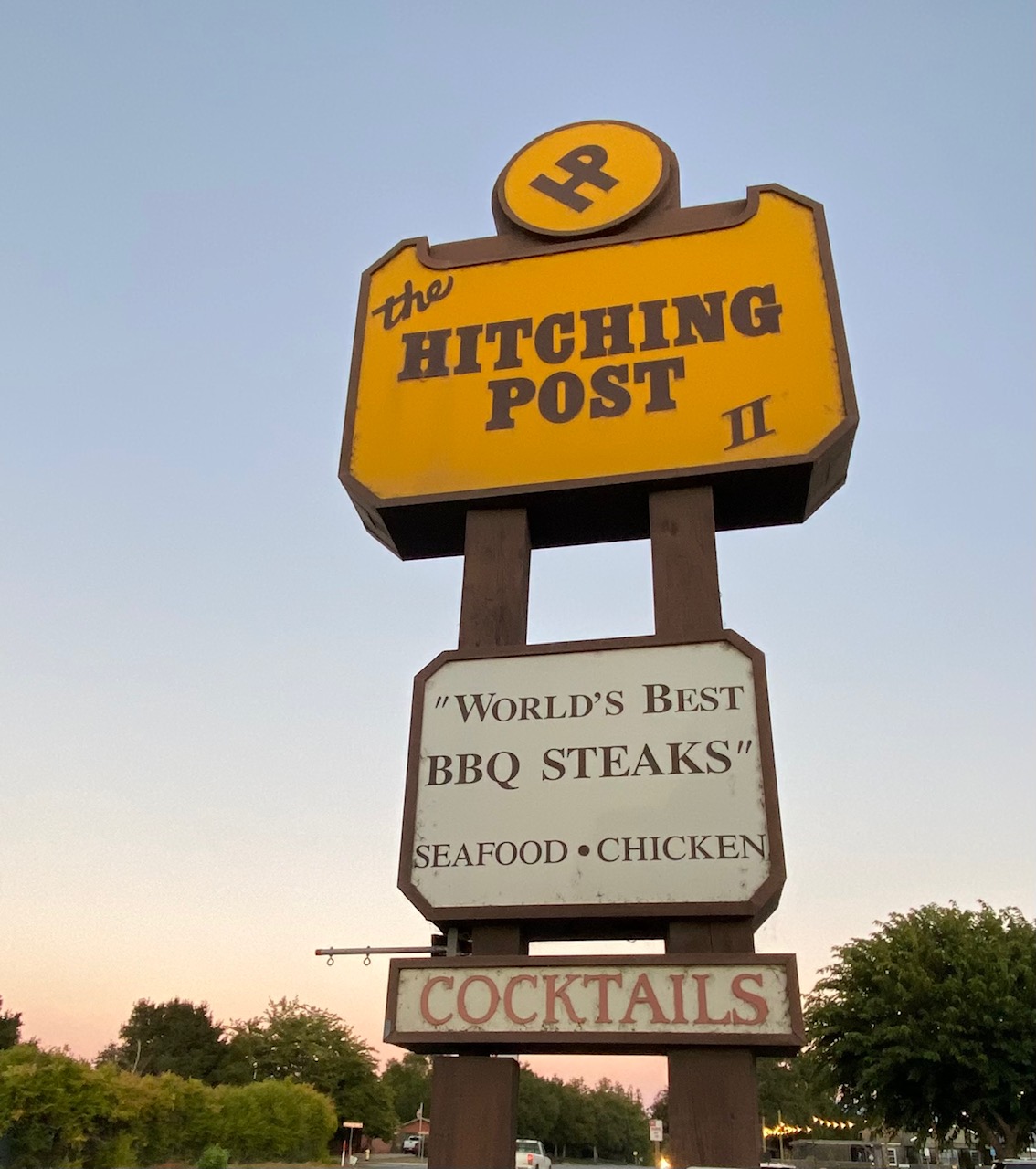 Initially I started to put my coat on the back of the chair and even thought about dutifully sitting down. But then, I saw what was happening here – single, 55+ woman, gray hair – dispensable and invisible.
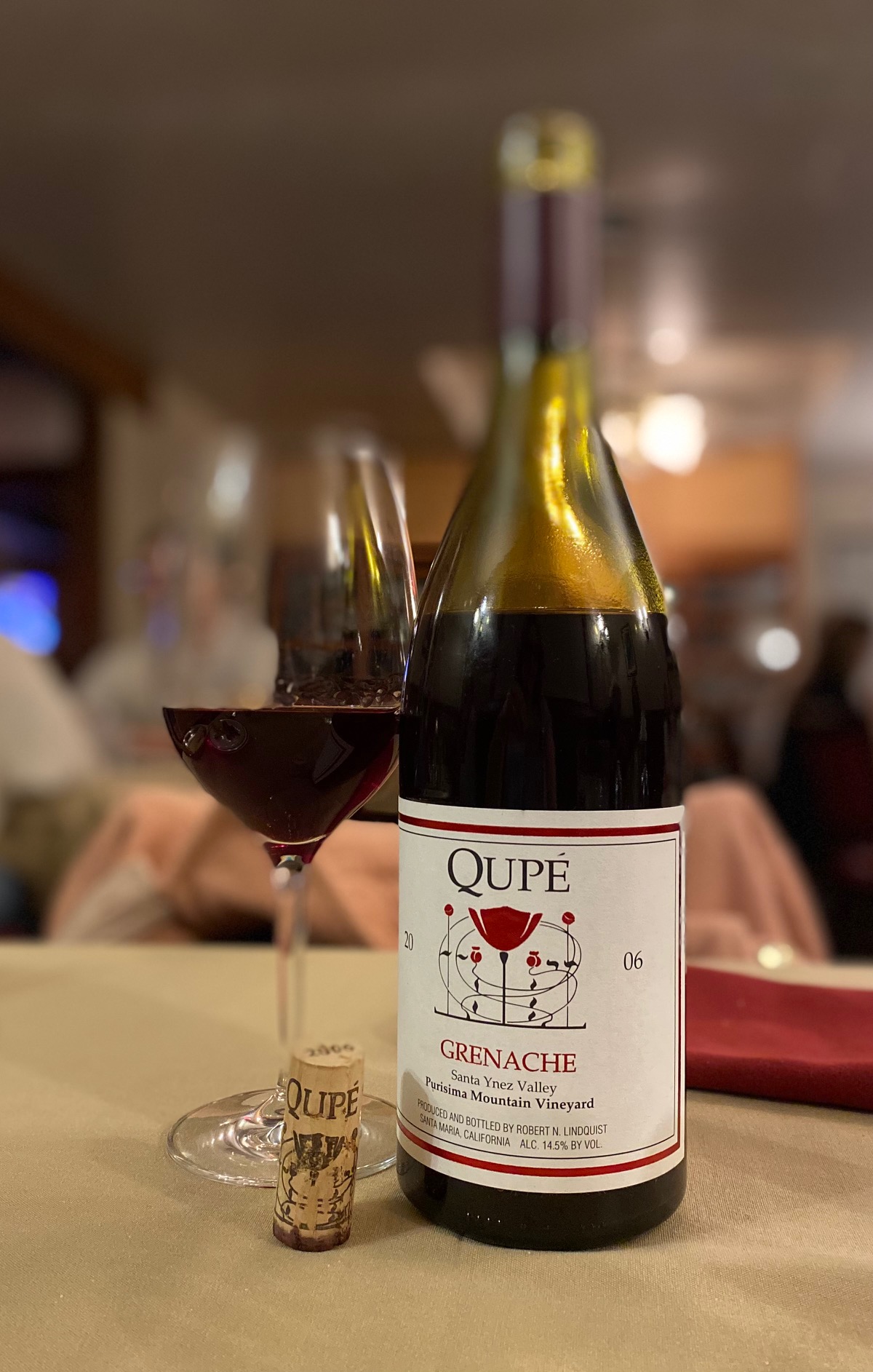
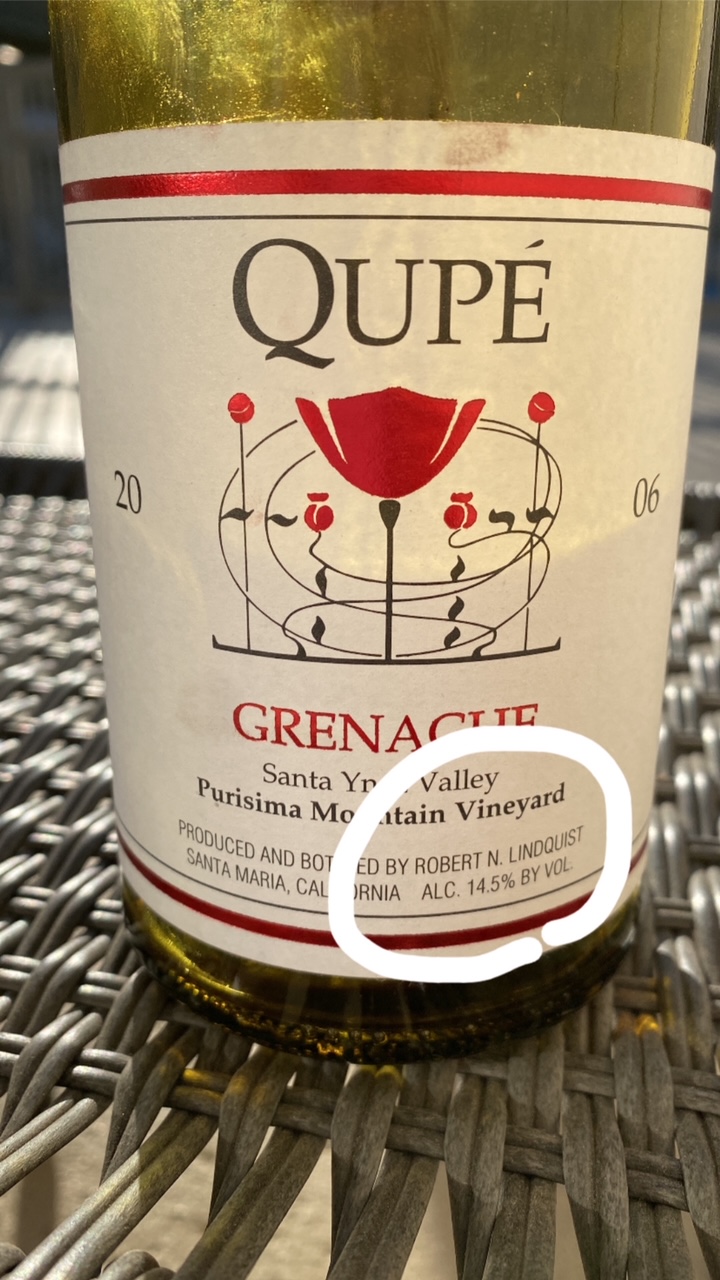 bottled, are they still alive? From the picture to the right, we know that Bob Lindquist was there – this 2006 wine was made well before he left in 2019.
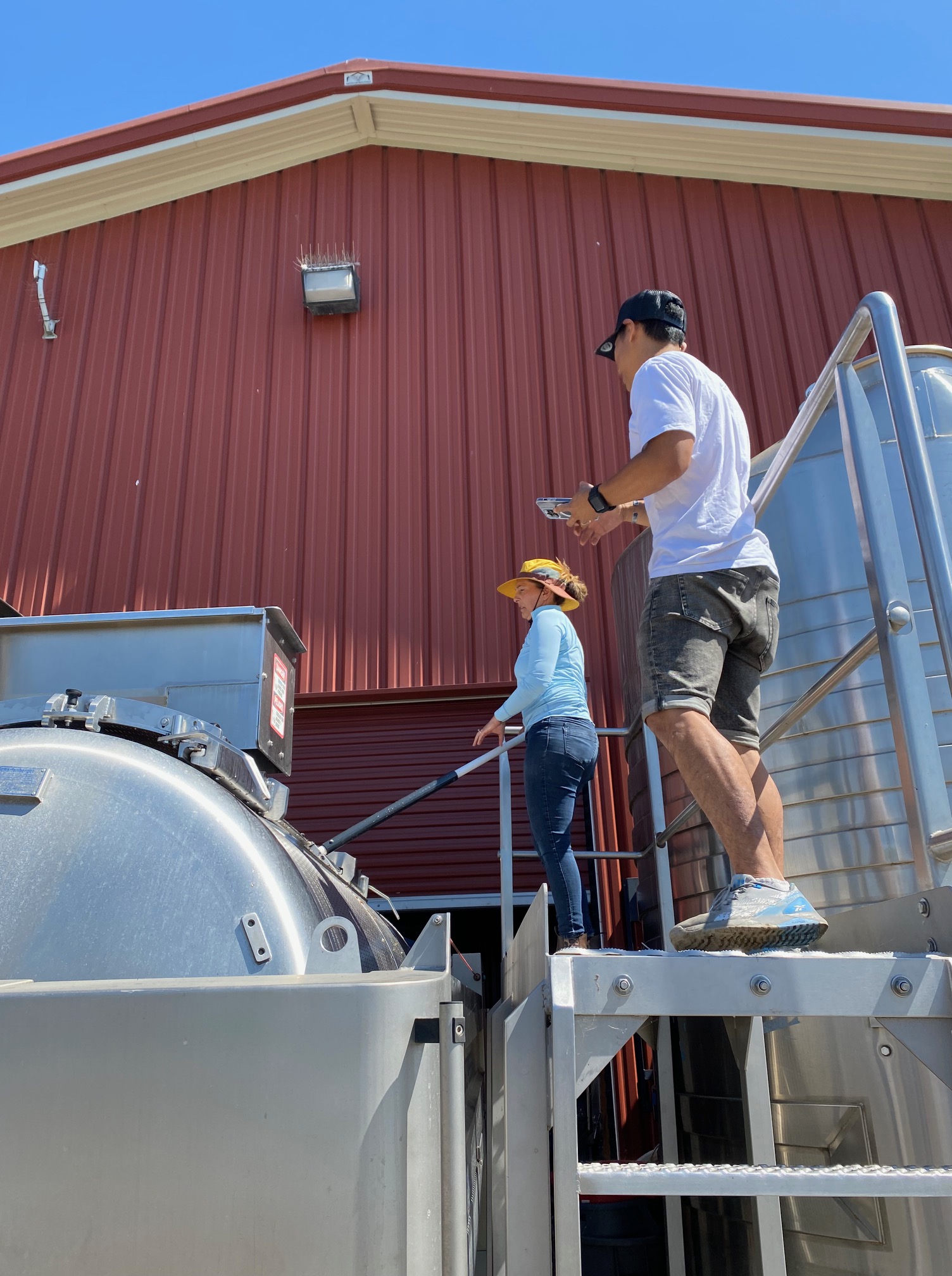 This is pretty cool and happening stuff. While Pinot Noir grapes have been pressed and used forever as part of sparkling wines and blends, it’s rare to find white versions as still wine.
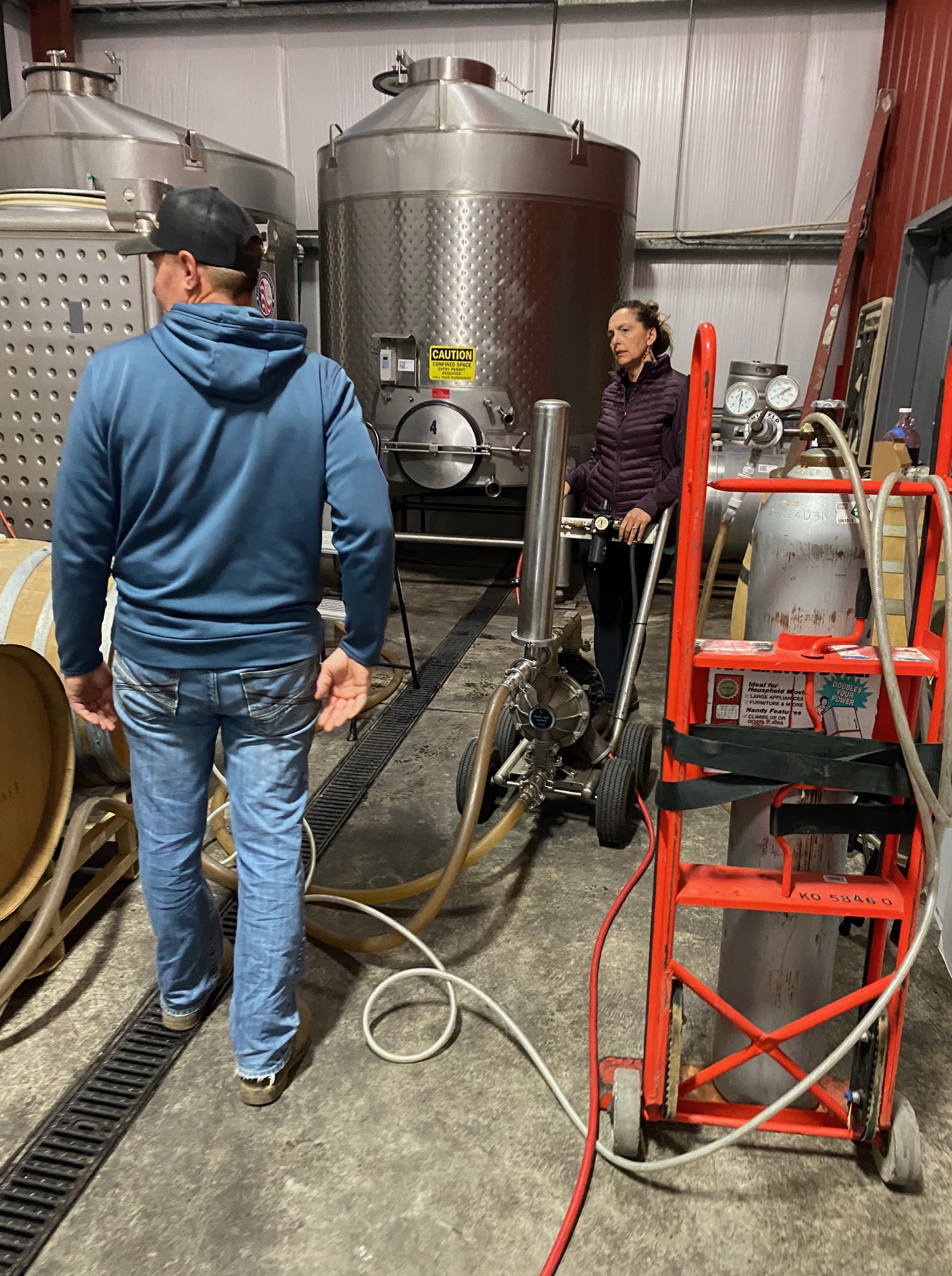 Albariño (kind folks, they could have finished faster without me, picture right).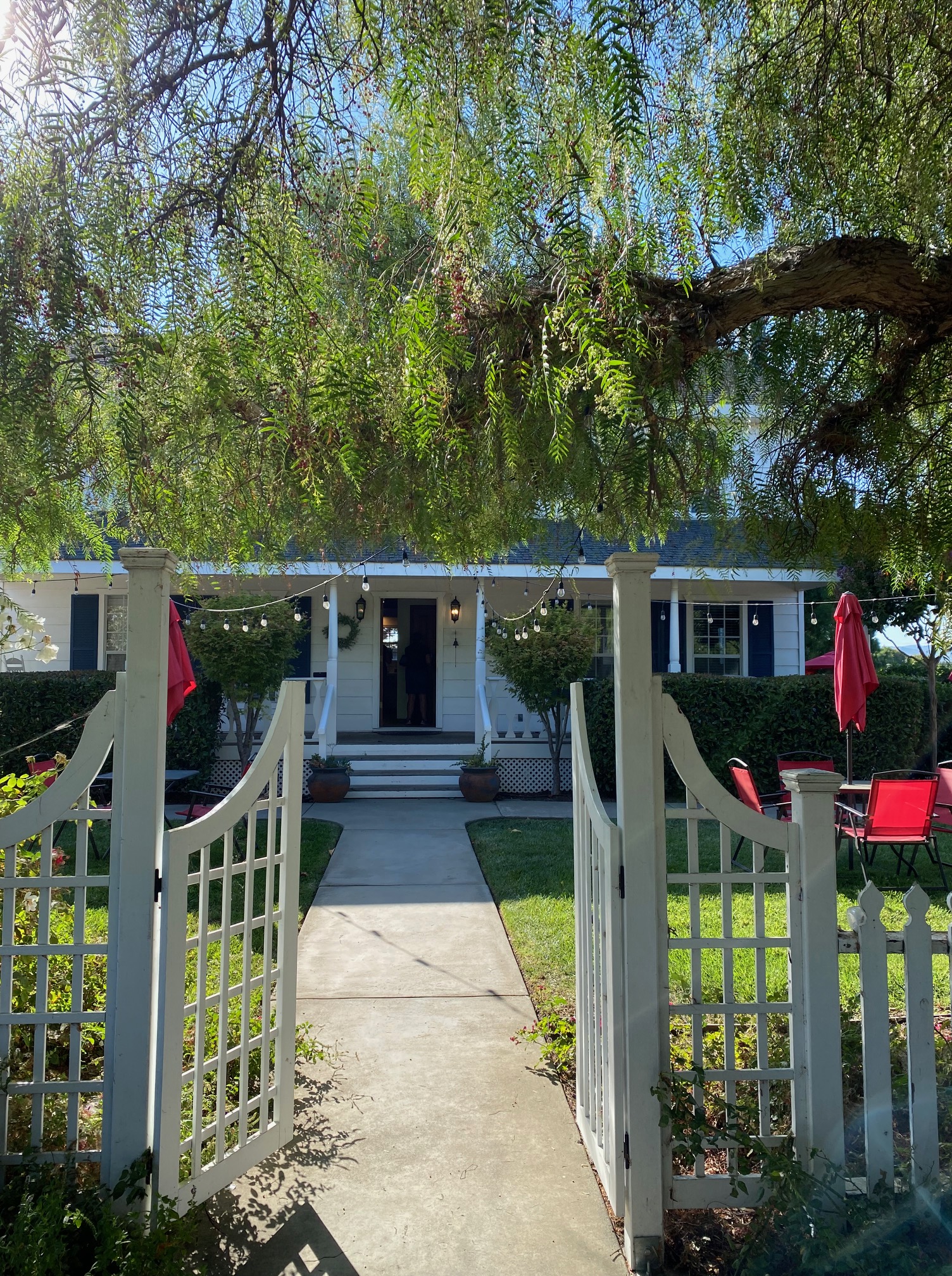
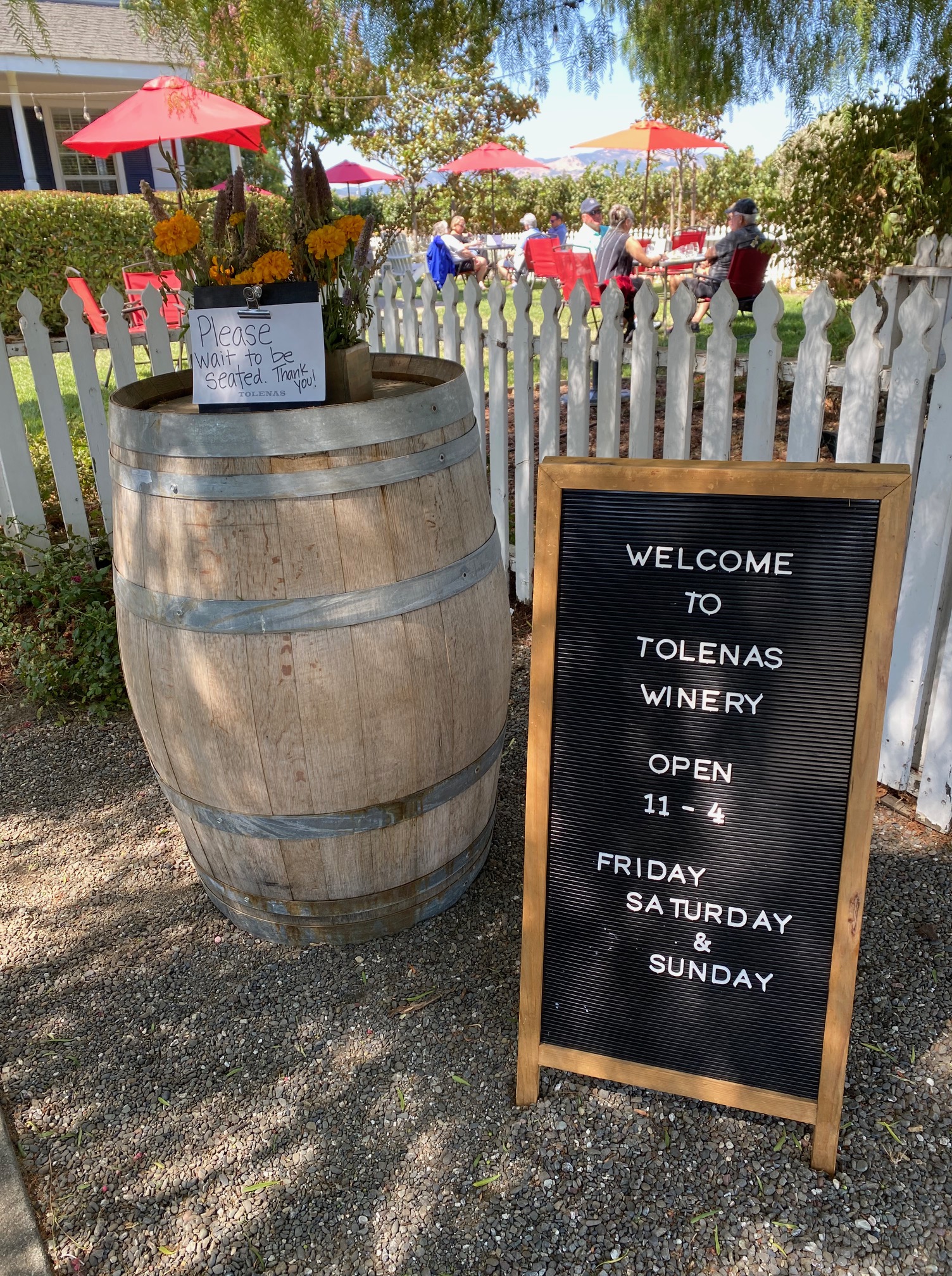 The outdoor tasting garden at Tolenas is at the side of Lisa’s childhood home. She and Cliff farm the vineyards with her father who started the whole operation – and is still working making wine and farming grapes. Mary, their Tasting room manager, knows the wines inside and out.



 winellama