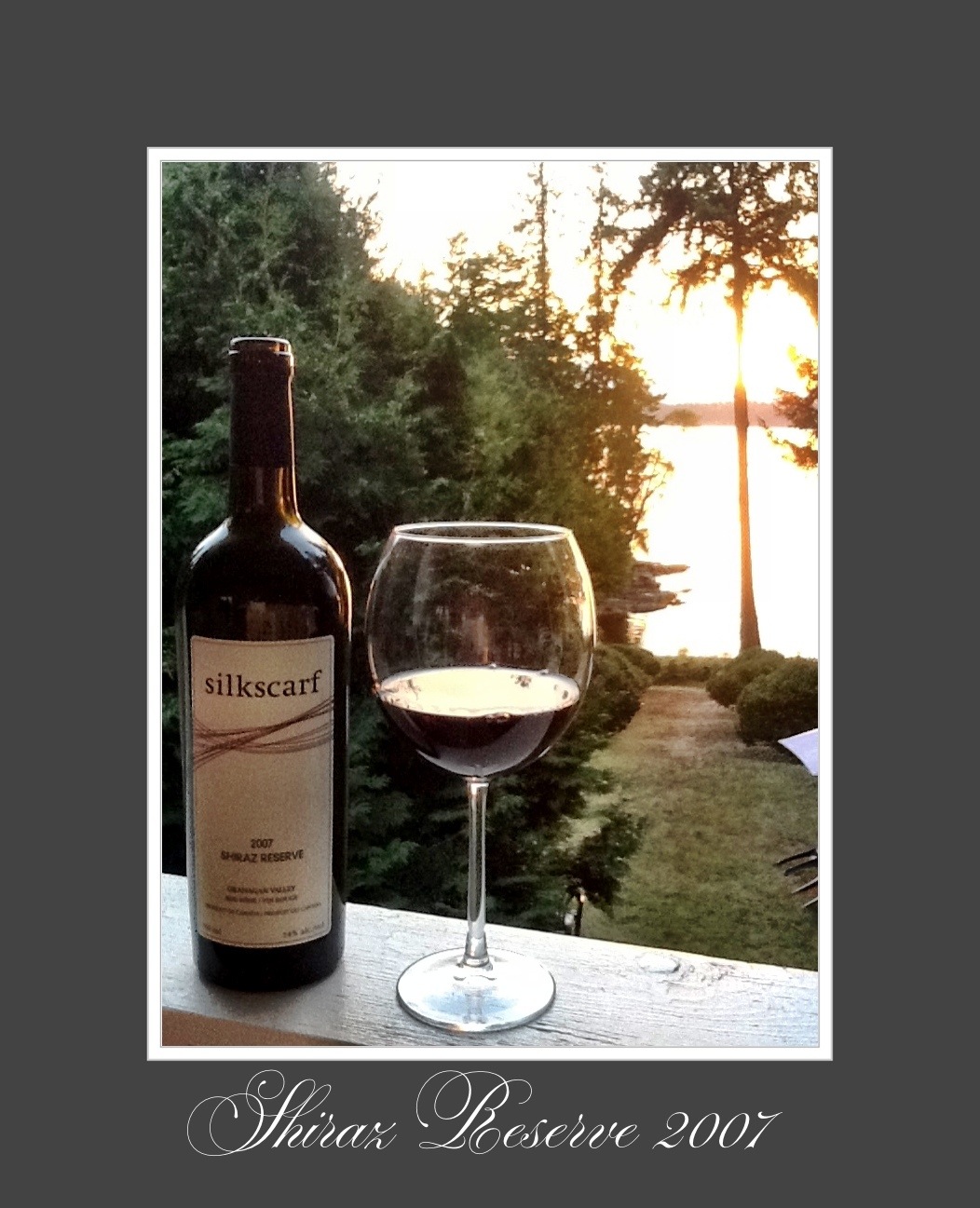
Silkscarf, Shiraz Reserve, Summerland, Okanagan Valley, 2007, 14% abv

Located in the Okanagan Valley’s picturesque town of Summerland, we visited this winery in 2012 and have been saving this bottle for a suitably appreciative crowd. One surfaced tonight in the form of parents who made us a beautiful dinner of hot Italian sausage stew with fresh garden vegetables and jasmine rice.

It was especially perfect as we’d suggested said parents visit said winery last summer based upon our own visit. They’d enjoyed it just as much as we had.

As we’d expected, this wine complimented the dinner perfectly, set against the backdrop of a Saltspring Island Labour Day weekend sunset and some happy banter.

This wine is clear and bright, deep ruby red with deep and even legs. On the nose, it’s clean and developing with medium plus aromas of boysenberries, blackberry vine, cassis and white pepper with cigar box.

On the palate it’s dry with grainy and elegant tannins, medium plus alcohol and medium body. The medium plus flavour characteristics include more field berry, boysenberry and blackberry, vine and leaf, tobacco, black pepper and cedar frond. The finish is medium plus.

WSET ‘very good’ and can be cellared and kept for 5-7 more years. Long life is possible with this lovely example of a new world, fruit forward and complex wine. The only beef I have with this wine is the use of the plastic cork. They’re hard to get out and so unseemly. I’d be happier with a screw cap.

A perfect wine to end the long weekend with.

20130901-211712.jpg

Posted in BC, RED, Shiraz / Syrah | Leave a comment

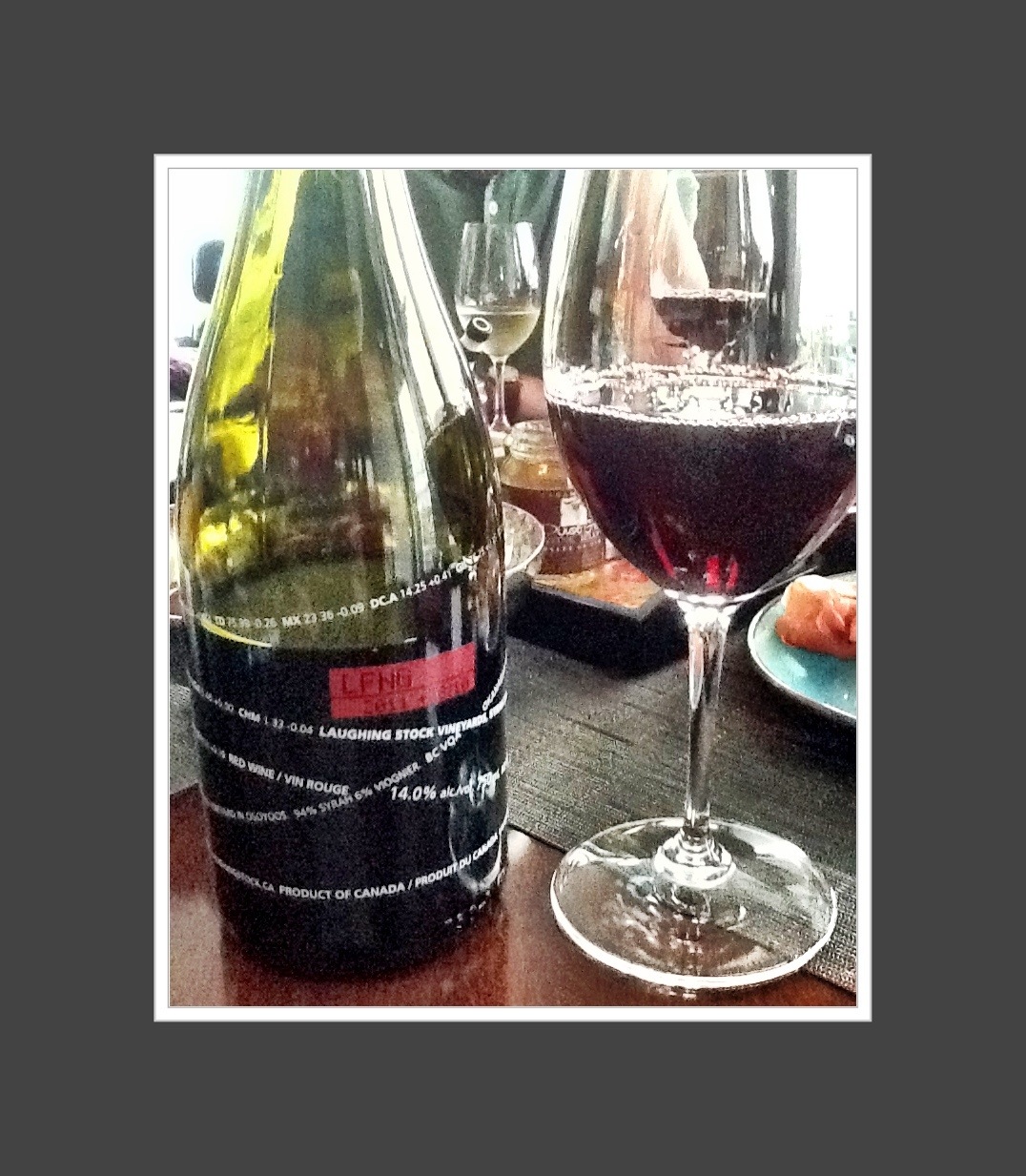
Laughing Stock, Syrah, Naramata Bench, Okanagan Valley, 2011, 14% abv, C$36

I was looking through the ‘cellar’ (if one can really call it that considering we live on the 35th floor), for a red from the Okanagan’s Naramata Bench to enjoy with friends about to embark on a tour of the Similkameen and Penticton, and landed upon this bottle.

As stated on their website, Laughing Stock is ‘…a serious enterprise with a most unfortunate moniker’. They claim to wake up every day motivated to ‘…not live up to our name’.

Witty, verrrry witty.

Here’s another example of people living my dream life – they upped and changed theirs to do something completely different and adventurous. Wish I was so brave.

In this case, David and Cynthia Enns worked in the financial industry prior to 2003 when after making trips to speak with renowned winemakers and wineries and taking UC Davis courses and such, they decided to follow their hearts and purchase Laughing Stock.

They’ve certainly put their money where their proverbial mouths are and it’s clear they’ve considered everything in their drive to be consistently top notch.

Yup – their marketing is pretty cool, they have closed their gates to splashy sipper limos and buses (you have to call ahead – I love it, don’t ever change), they’ve hired professional ambassadors who actually know something about wine in their tasting room and their wines are pretty damned hot.

This Syrah started life as a ‘saignée’ project for a rosé. The remaining red must was kept for this wine. It was co-fermented with Viognier in stainless steel (70%) and the remainder was in put into French oak. After pressing, it spent an additional 16 months ageing in 40% new French barrels (Troncais or Limousin, Nevers, Vosges or Alliers? Enquiring minds want to know – what kind of oak, pray tell).

This wine is clear and bright, opaque ruby with deep legs. On the nose it’s developing and clean with medium plus intense aromas of licorice, deep plum, ripe raspberry, blackberry vine and a dusting of white pepper.

The palate is dry with medium plus acidity, slightly grainy but very smooth tannins, medium body and medium alcohol with pronounced intense flavours of cassis and plum, leaf, smoke, anise, clove and cedar. It has a long and luscious finish.

This black beauty is WSET ‘very good’ and can be enjoyed now or cellared for 5-7 considering those tannins, fruit and acidity.
Unsurprisingly, it was awarded a 91 by John Schreiner and won a gold medal for the National Wine Awards of Canada in 2013.

20130831-100832.jpg

Posted in OTHER | Leave a comment

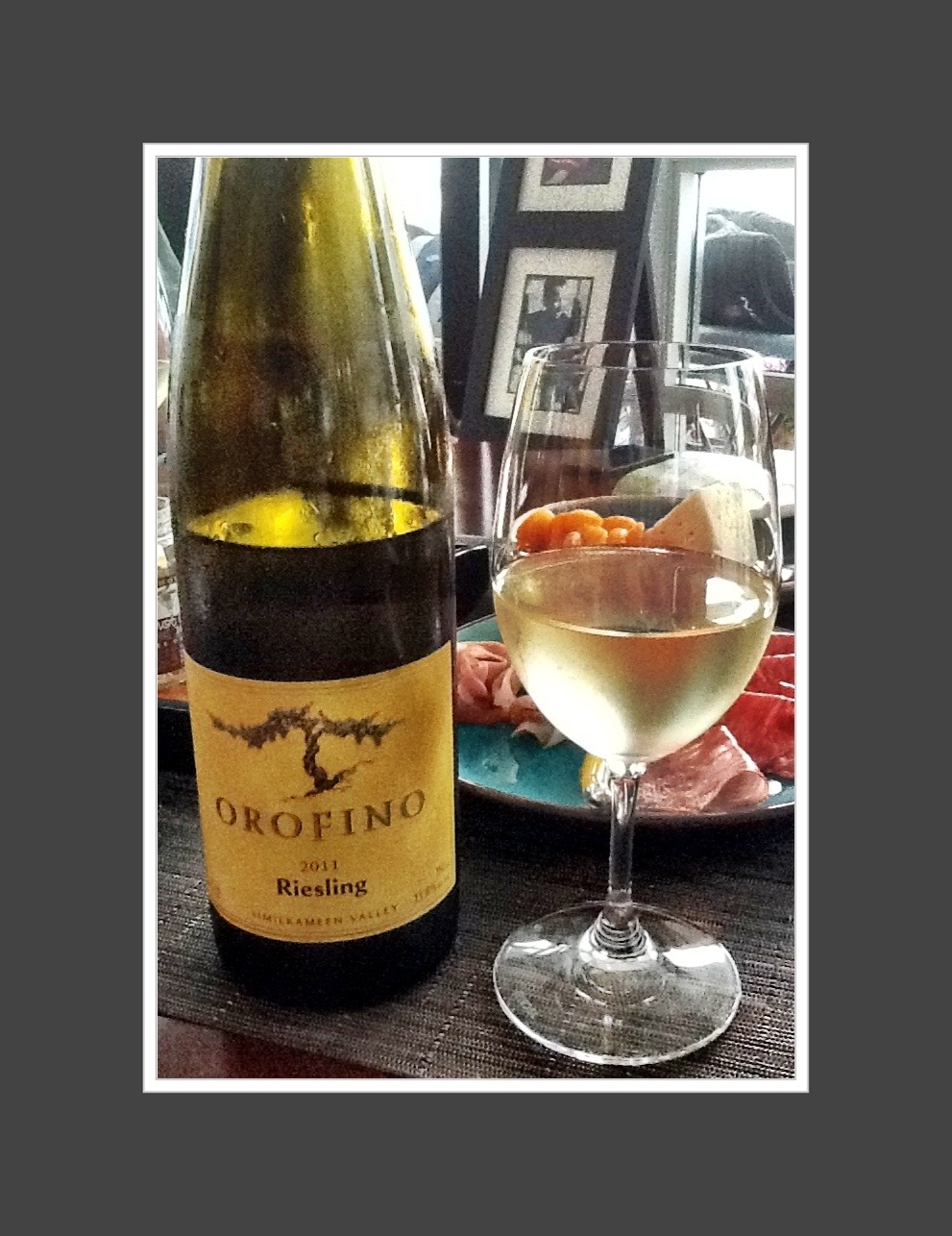
Riesling, Orofino Winery, Similkameen Valley VQA, BC, 2011, 11.8% abv, C$22

“Don’t you find the winters a little cold and lonely out here in the Similkameen?” we naively asked co-owner Virginia Weber. “Are you absolutely kidding? You’re talking to a Saskatchewan girl,” was the response.

Fair enough – I mean, she was dealing with a pair of wet coast raised, through and through, namby-pamby, snow-scared babies. I am officially allergic to cold. I suppose the beautiful Similkameen would seem a veritable tropical paradise compared to Saskatchewan. But again, what do I know, raised in Victoria and now living in Vancouver via Thailand where I stayed for 10 very warm years.

What’s really amazing to me though is how a former teacher and nurse could after travelling the world and having significant life experiences decide to up and purchase a winery in the Similkameen so they could ‘try something new.’

Although it’s my dream, I’m just not entrepreneurial or adventurous enough.
Thankfully, some people are.

Whatever their story, it’s quite clear John and Virginia Weber have built a unique winery (it’s Canada’s only ‘strawbale’ constructed winery and it’s solar powered as well) and lovely wines. We enjoyed this one with some friends about to embark on a Similkameen and Naramata Bench tour.

This wine is clear and bright, medium minus lemon green with legs. On the nose it’s youthful and clean with intense aromas of guava, key lime, pomelo, a hint of petrol and pronounced minerality.

On the palate it’s the slightest bit off-dry with medium plus acidity, medium minus alcohol with medium flavour intensity of lime zest and yellow grapefruit, flint, rocks and petrol that hints toward the prospect of ageing this further. The finish is medium plus.

WSET Good Plus – drink now and enjoy, or save for a few to develop the petrol and honey. Enjoy with seafood or ham – or with hors d’oeuvres as we did.

20130831-095754.jpg

Posted in BC, Riesling, WHITE | Tagged , , , , , , | Leave a comment

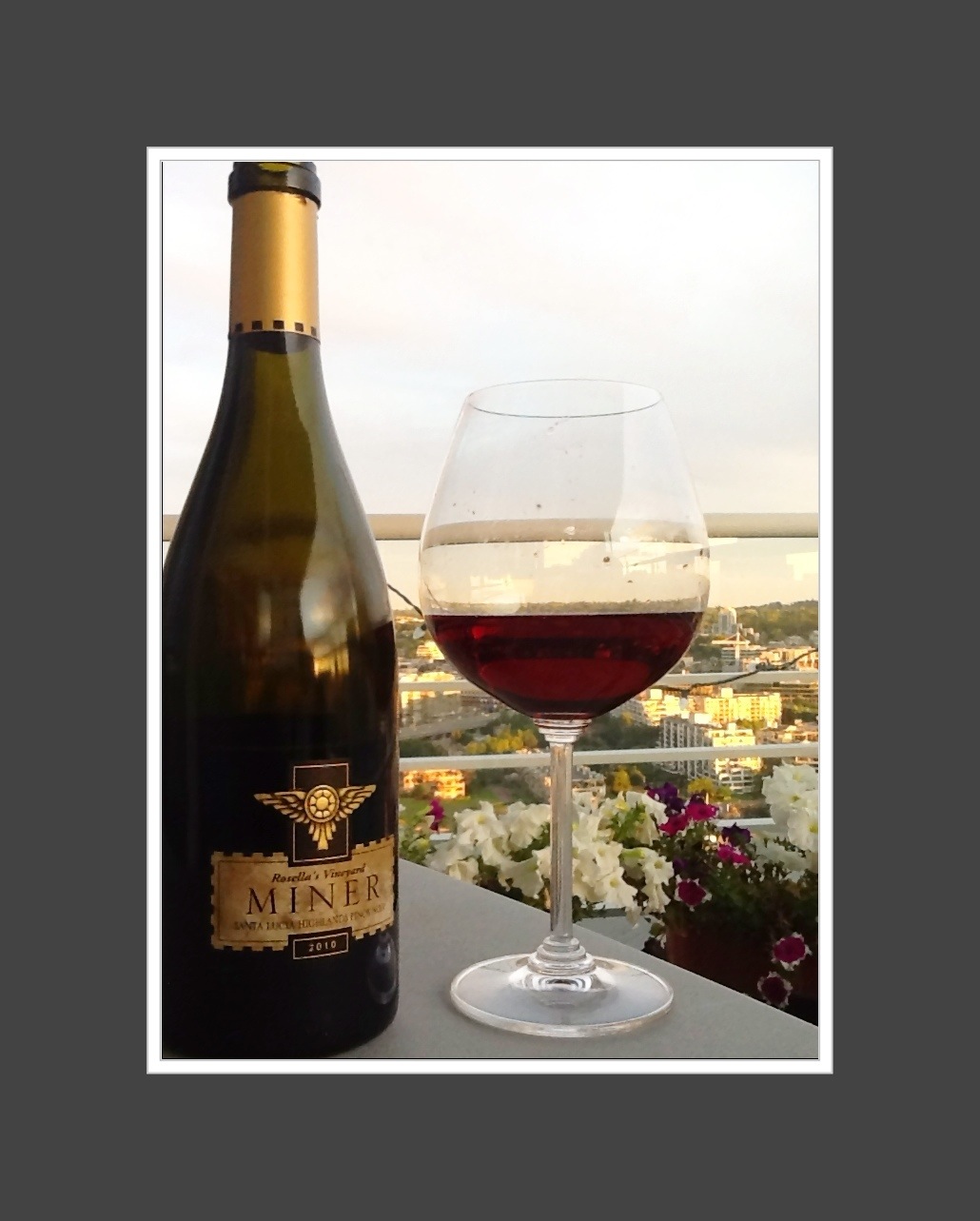
Pinot Noir, Rosella’s Vineyard, Miner Family, Santa Lucia Highlands, Silverado Trail, Napa Valley AVA, California, 14.4% abv, US$60

This Pinot Noir has been waiting to be uncorked ever since our trip to Napa Valley. So, tonight in honour of a certain rugby player going off to university, we cracked it to enjoy with pistachio encrusted salmon and a blend of cous cous, garbanzo, red quinoa and orzo.

Translucent ruby with even legs and a nose with cherry, cedar, red plum and baking spice, it exudes a stunning aroma.

The palate is dry with lightly dusty tannins and a slender body showing more cherry, red plum, nutmeg, clove, cedar fronds and forest leaves.  The finish is medium.

A WSET Good wine, it opened up over the course of the evening.  I’d been hoping for a longer finish, but it was a classic pairing with the salmon.

20130822-222447.jpg

Posted in California, Pinot Noir, RED | Tagged , , , , , , | Leave a comment

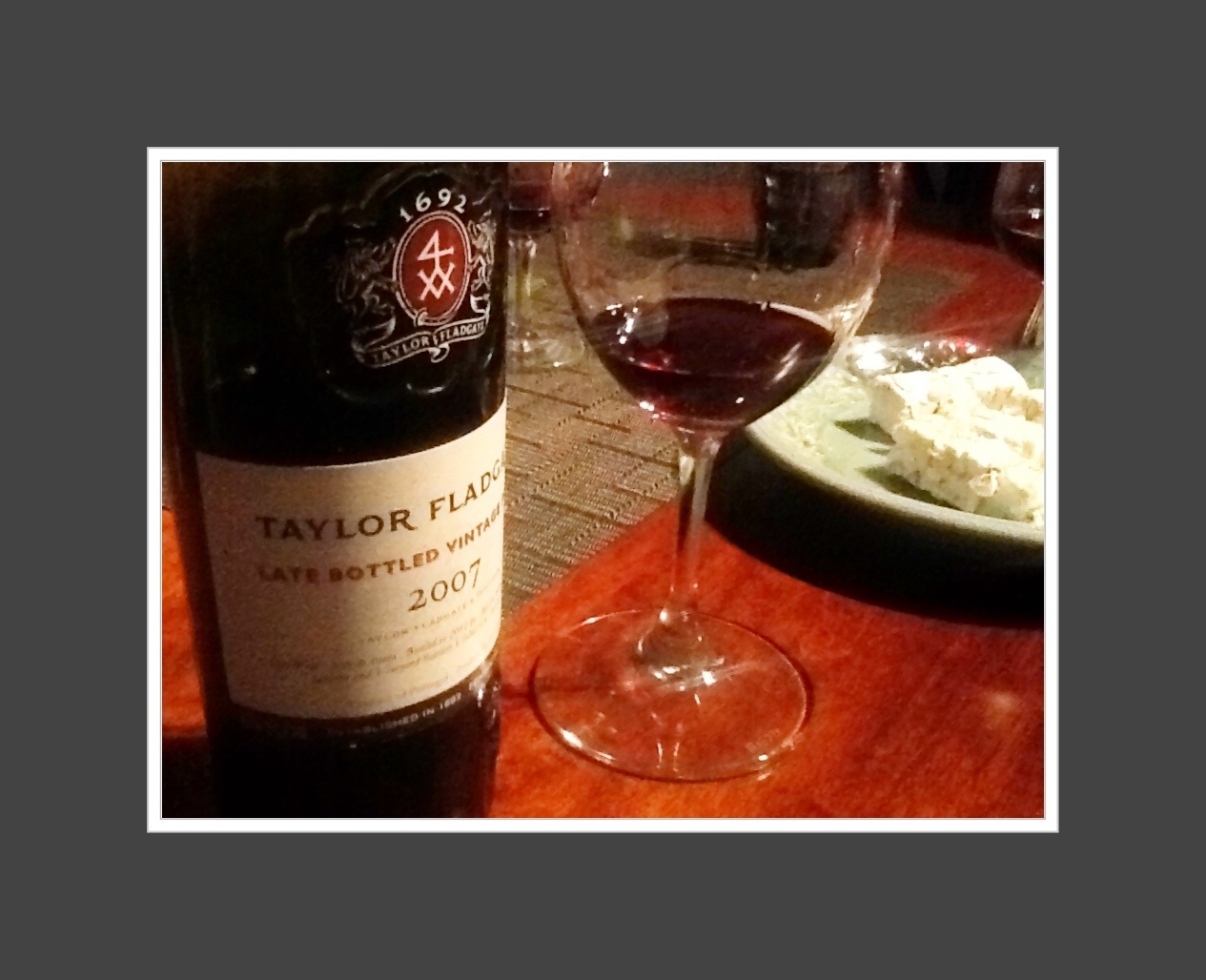
Taylor Fladgate, LBV, 2007 bottled 2012, Douro, Portugal, 20% abv, C$25.99, 375ml

According to the Taylor Fladgate website, this style accounts for over a quarter of all port sales in Canada – and 20% of all port purchases in the United Kingdom. The reason it’s so popular lies in the fact that it is a reasonably priced and yet high quality alternative to what can be terribly pricey Vintage Port.

Vintage Ports are casked for 20 months before being transferred to bottles for further ageing. However, LBVs are bottled later and usually remain in wood for somewhere between 4-6 years (5 in this particular case). When the time has passed, this fortified wine is ready to drink and doesn’t need to be decanted (unlike Vintage Ports).

So, essentially one gets the benefit of a Vintage quality port, but in much less time than a Vintage will take to age. The drawback to an LBV is that it will have been filtered – and as any cork dork knows, that can strip wines of character and flavour.

We didn’t notice any lack of flavour, concentration, integration or balance in this wine though. Clear and bright, deep ruby with heavy legs, it is clean on the nose and developed with pronounced aromas of tobacco, dark chocolate, blackberry vine and cassis.

On the palate the wine is medium sweet with medium acidity and grippy tannins. It has medium fortification and pronounced intense flavours of tobacco, vine, cassis, currant and dried fruit. The finish is medium plus.

WSET ‘very good’, it was enjoyed as part of my celebratory ‘I-got-pass-with-merit-on-the-WSET-Fortifieds-exam with an array of dark chocolate and sweet Italian nougat.

Any excuse for port is a good one in my books.

20130822-215339.jpg

Posted in FORTIFIED WINE, Port, Portugal | Leave a comment

Cabernet Sauvignon, Jordan, Alexander Valley, Sonoma, 2008, 13.5%, C$52

Meeting Jordan Winery’s Lisa Mattson at the Wine Bloggers’ Conference of North America in Penticton was a real highlight of the weekend. And the after party – fabulous.

At that event, Lisa graciously opened up a vertical tasting of at least 10 vintages of the Jordan Cabernet Sauvignon. Two standouts for me were the 2005 and 2008 – and as we were leaving Lisa thrust this bottle into my hands to help with her ‘I-can’t-take-this-back-over-the-border’ problem.

Happy to oblige – literally, anything I can do to help.

The winner of several prestigious awards including bronze at the San Francisco International Wine Competition 2012 and an 89 from Wine Spectator, this is WSET ‘very good’ wine. Every time I open a bottle of Jordan, I’m transported back to the visit we made to the winery and the beautiful Alexander Valley. This was no exception. The Cabernet Sauvignon is augmented by a 5% blend of Merlot and Petit Verdot – accounting for the blueberry, plum, roundness and perfume.

Clear and bright, opaque ruby with deep legs noted, on the palate this wine is clean and developing with medium plus intense aromas of blueberry, acai, red and black fruit and sweet tobacco as it opened up.

On the palate it is dry with medium acidity, smoothly restrained and slightly dusty tannins, with medium alcohol and flavour profile of blueberry, plus, currant, cassis, ripe blackberry, licorice root, touch of vanilla and black pepper. The finish is long and integrated.

We enjoyed this with friends who have also been to the Jordan Estate along with a tapas style table of goodies. Yes, you can age this for 5-7 years more, but I highly suggest you drink now and often.

20130822-211804.jpg

Posted in Cabernet Sauvignon / Blends, California, Merlot, Petit Verdot, RED | Leave a comment

Argyle, Vintage Brut, Dundee AVA, Willamette Valley, Oregon, 2009, 12.5%, US$27

Located in a renovated farmhouse at the side of the busy road (a la Napa-wine-crawl slow) in the adorable town of Dundee, Oregon, Argyle produces some of the best examples of sparkling wine made in the Willamette Valley.

Argyle was named as Oregon’s ‘Premier Winery’ by Wine Spectator in 2000 and it’s clear they have continued this tradition over the past thirteen years.

“Brut makes you better,’ or so it says on their website.

We tasted the range including a 2010 Argyle Black Brut (Pinot Noir) similar in texture, tannin and taste to a Lambrusco but with a touch of smoke and concentrated on their traditional method sparklings – purchasing a 2009 Blanc de Blancs as well as a 2009 Argyle Vintage Brut which was enjoyed upon returning across the border a few weeks later.

The 2009 Vintage Brut is composed of estate fruit (59% Pinot Noir and 41% Chardonnay) and made in the aforementioned and time consuming (but oh-so-worth-it) traditional method.

It’s clear and bright, medium minus lemon green and has a creamy long lasting mousse.

On the nose, it’s clean and developing with delicately medium minus intense aromas of bread, yeast, citrus, stone fruit and a stony minerality.

The palate is dry with medium minus alcohol, medium plus acidity and very long lasting mousse. The medium intense flavours include a marvelous biscuit, lime and lemon zest, pink grapefruit, Asian pear and provide a strong medium plus finish solidly anchored in the Pinot Noir’s carpentry.

WSET ‘very good’, as it warmed it took on strong lime cordial. Thoroughly enjoyable with friends and tapas style Mediterranean hors d’oeuvres.

And as they’d suggested, I definitely felt better after having this wine. Highly recommended.

20130822-210522.jpg

20130822-210528.jpg

Posted in Chardonnay, Oregon, Pinot Noir, Sparkling Wine | 2 Comments

Archery Summit, Vireton Pinot Noir Rosé, Willamette Valley, Oregon, 2012, 13.9% abv

A frequent award winner and touted widely as a top Oregon Pinot Noir producer, this winery was one on the list of ‘must visits’ long before we even stepped foot in the Willamette Valley.

Robert Parker’s Wine Advocate, the Wine Enthusiast and other publications have awarded it many accolades. But one of the most outstanding has to be the inclusion of the Archery Summit Estate 2004 by Michelle Obama on the first White House state dinner menu in 2009 (http://archerysummit.com/wp-content/uploads/2012/10/LA_Times_First_White_House_Dinner_2004_Estate-copy.pdf).

We enjoyed our tasting on their rock patio with the knowledgeable and beautifully named Evita Corona who literally grew up on the estate; her father is the vineyard manager. Talk about dream summer jobs.

Although by this time in our Willamette Valley trip I was seriously over my limit of allowable litres for cross-border transport, I still purchased a bottle of the Vireton Pinot Noir rosé.

There are three major ways to produce rosé wine – skin contact, saignée and blending (not allowed in France by wine law and generally not done by any premium quality wineries regardless of where they are in the world). The Vireton was produced in the saignée method from fruit of five of their six vineyards located in Dundee Hills AVA and Ribbon Ridge AVA.

Saignée literally means ‘bleed’ and refers to the removal of some of the first run juice from the must. This concentrates the remaining must and ensures there’s more colour and tannin in the resulting wine.

This rosé was clear and bright, a deep Chinook salmon shade and showed light legs. On the nose it was clean and youthful with medium minus intense aromas of strawberry, honey and watermelon.

The palate was dry with high acidity, ethereal tannins, medium and round body and medium plus alcohol, yet it was not even remotely boozy. The medium plus flavour profile showed more strawberry with some jalapeno and banana pepper bite, red ruby grapefruit, sweet watermelon and some apricot as well. This wine had a medium plus finish.

WSET ‘very good’ this was a great accompaniment to garden fresh chef salads to celebrate Ali’s 29th birthday party. Don’t age for longer that a couple of years – drink now and enjoy often.

20130822-204100.jpg

Posted in Oregon, Pinot Noir, ROSE | Leave a comment

Roseena Pinot Noir Rosé, Maysara Winery, Momtazi Vineyard, McMinnville AVA, Oregon, 2011, US$16

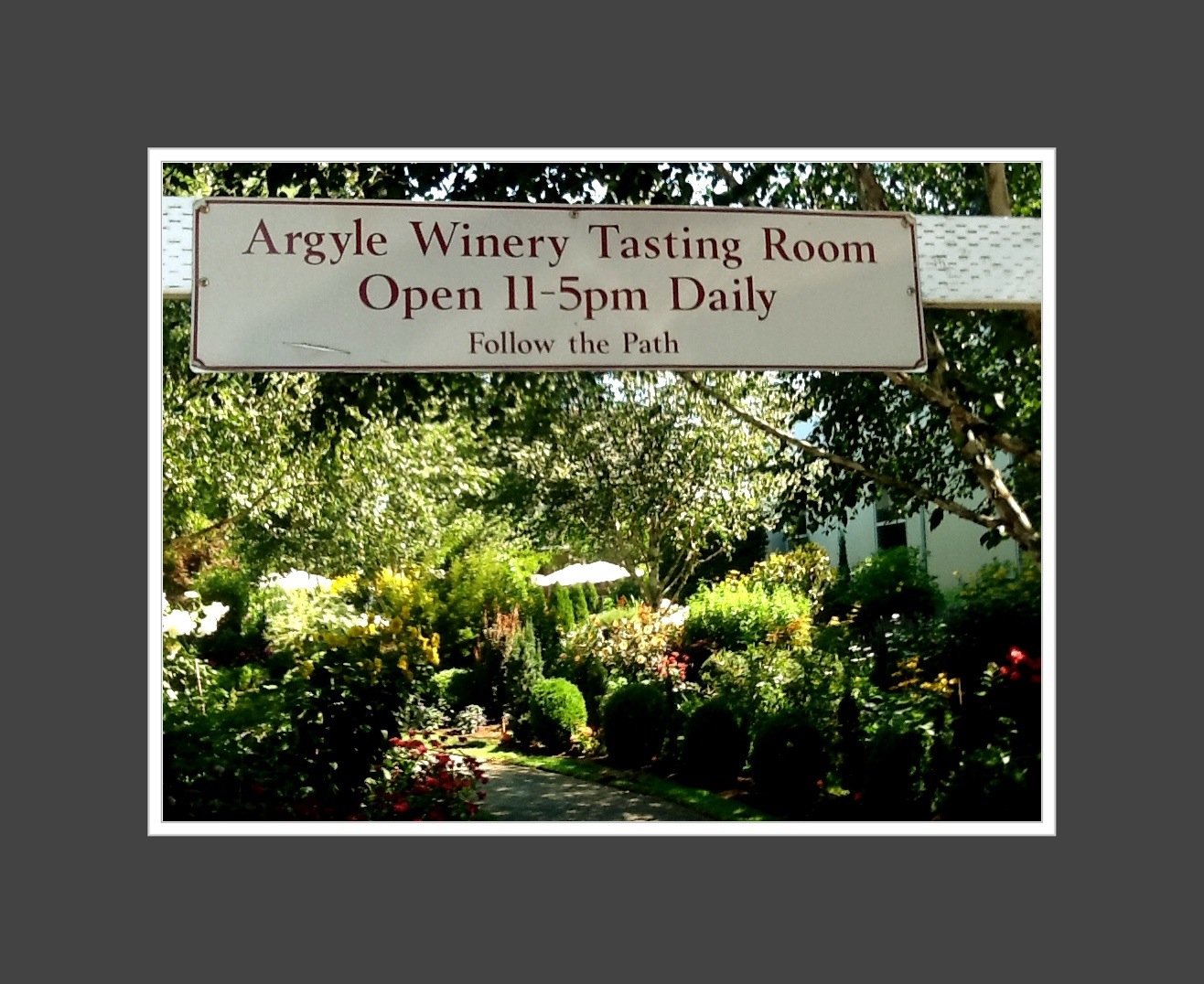
Everything at Maysara has an intriguing Persian-American twist to it – from the name of the winery itself (‘House of Wine’) to the names of each of the wines hand-crafted there and the three daughters of founders Moe and Flora Momtazi, first generation immigrants who fled Iran and eventually found themselves in the US.

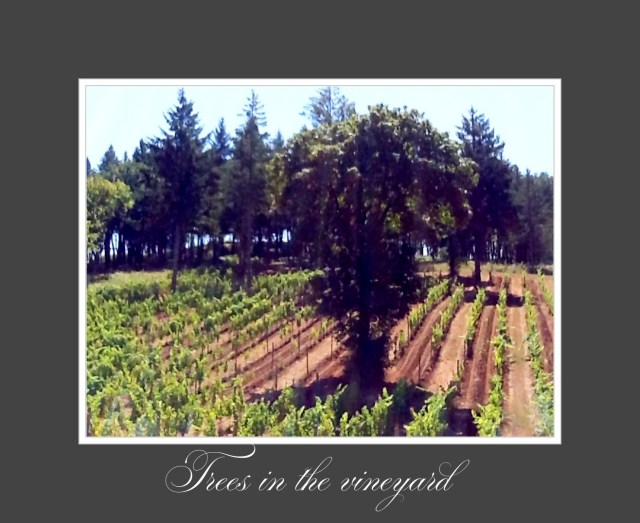
A civil engineer by trade trained in Arlington, Virginia, Moe and his family purchased these 532 acres near McMinnville in 1997 after living in something close to 23 states before settling in Oregon. They almost closed on a deal to purchase land next to nearby Domaine Serene, but seeing something special in this property, made an offer on the abandoned wheat farm instead. They began planting Dijon clone vines the year after that.

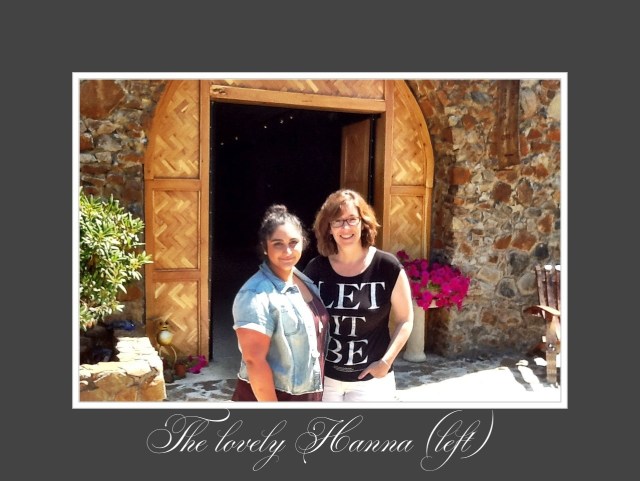
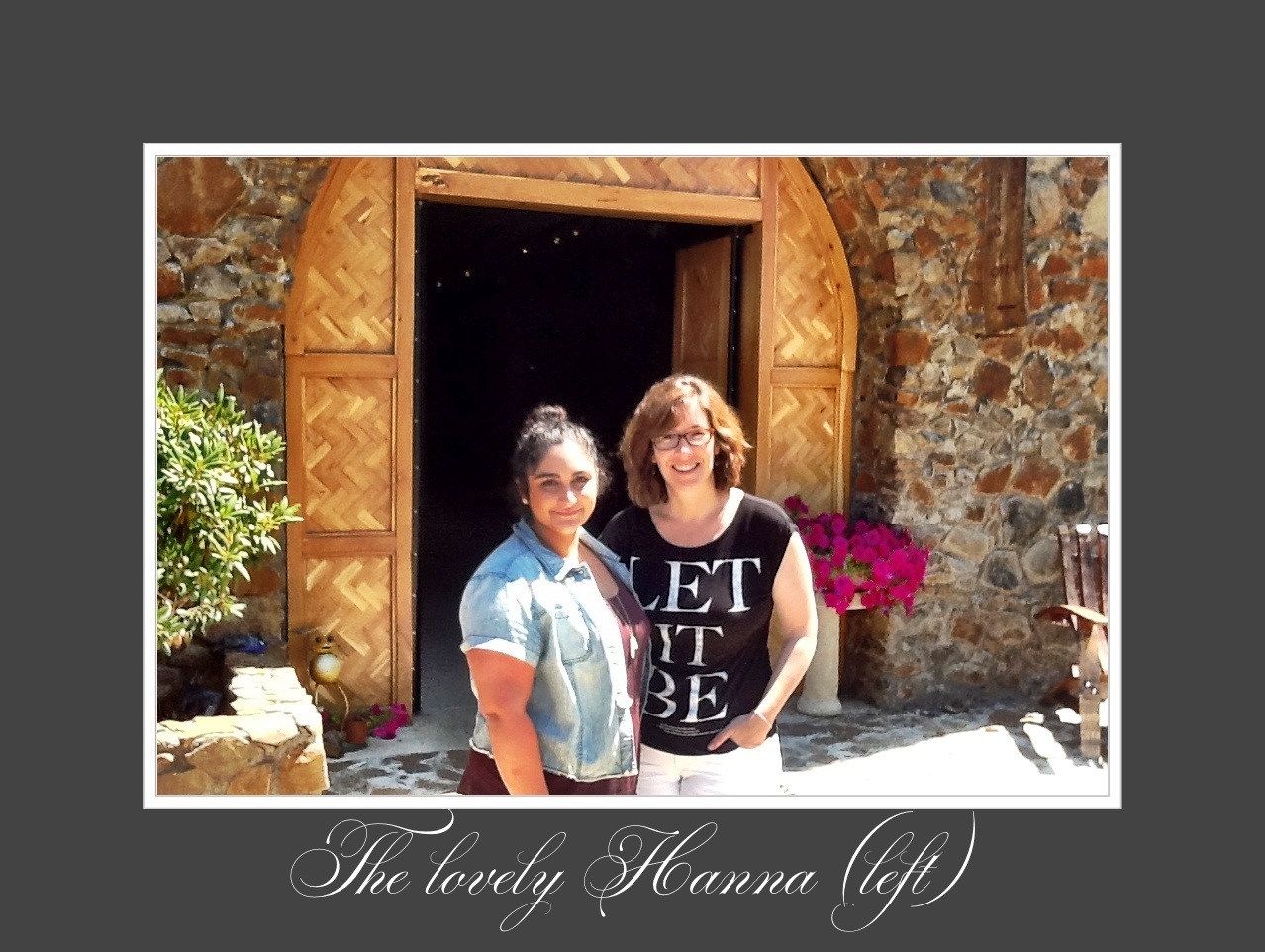
Their three daughters are firmly ensconced in this family enterprise – the eldest Tahmiene as the head winemaker (trained in Fermentation Sciences at Oregon State University with time at Kim Crawford’s Blenheim facility under her belt), Naseem in sales and marketing, and the youngest, Hanna working in sales and philanthropy.

I love that they even use the latter term intentionally in her title – and therein lies another clue as to how this family enterprise has managed to differentiate itself from others.

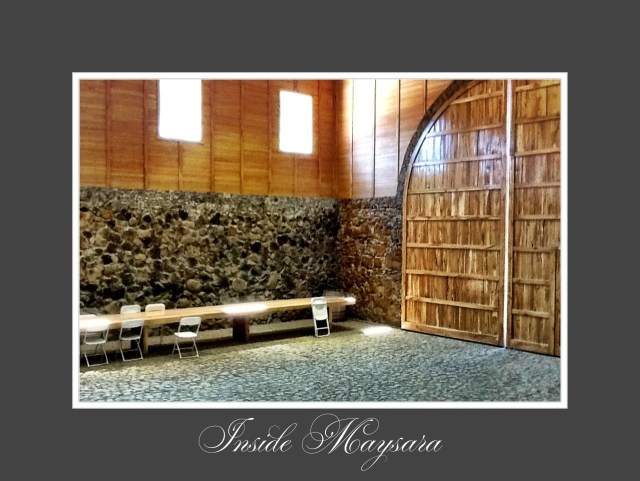
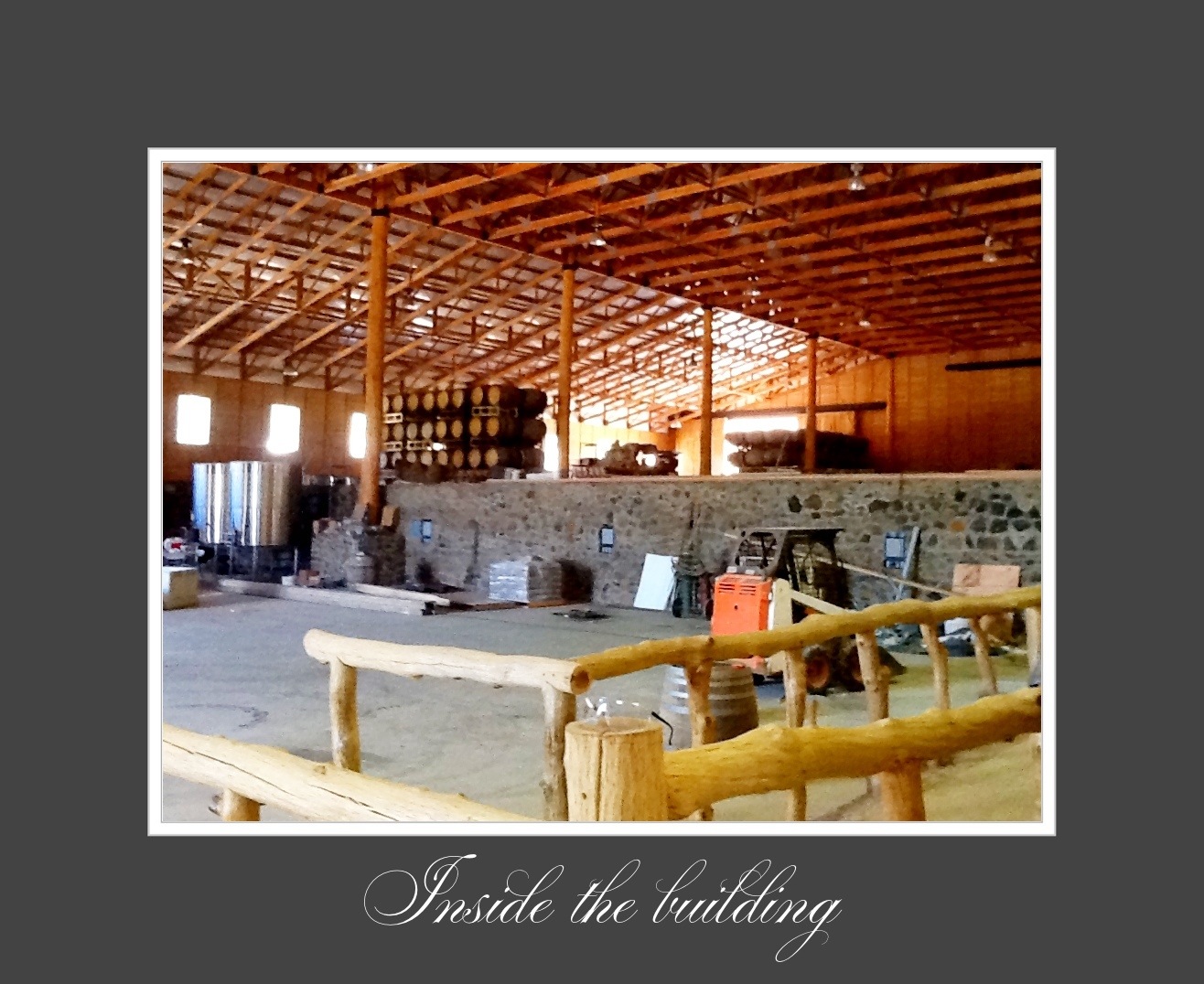
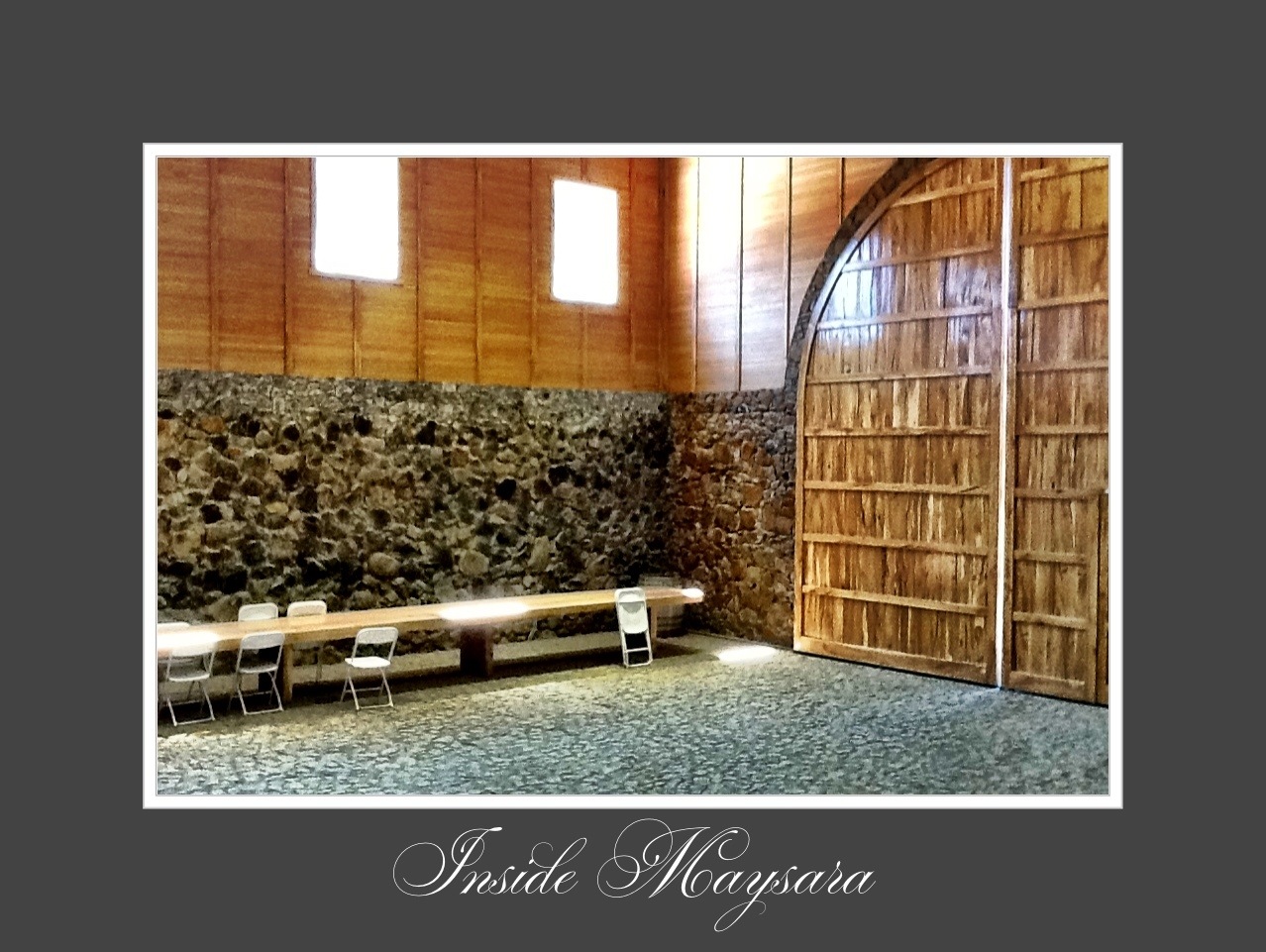
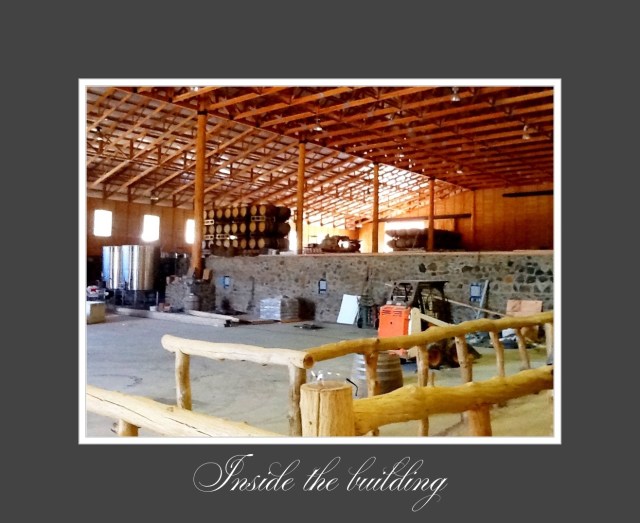
Maysara is truly stunning – still being built with materials sourced from their property save for the 11,000 wine barrels they kindly received as a result of an email sent out to other Willamette Valley wineries. The staves from these barrels are used on the walls of this inspired building. The trusses alone mark it as an engineering marvel.

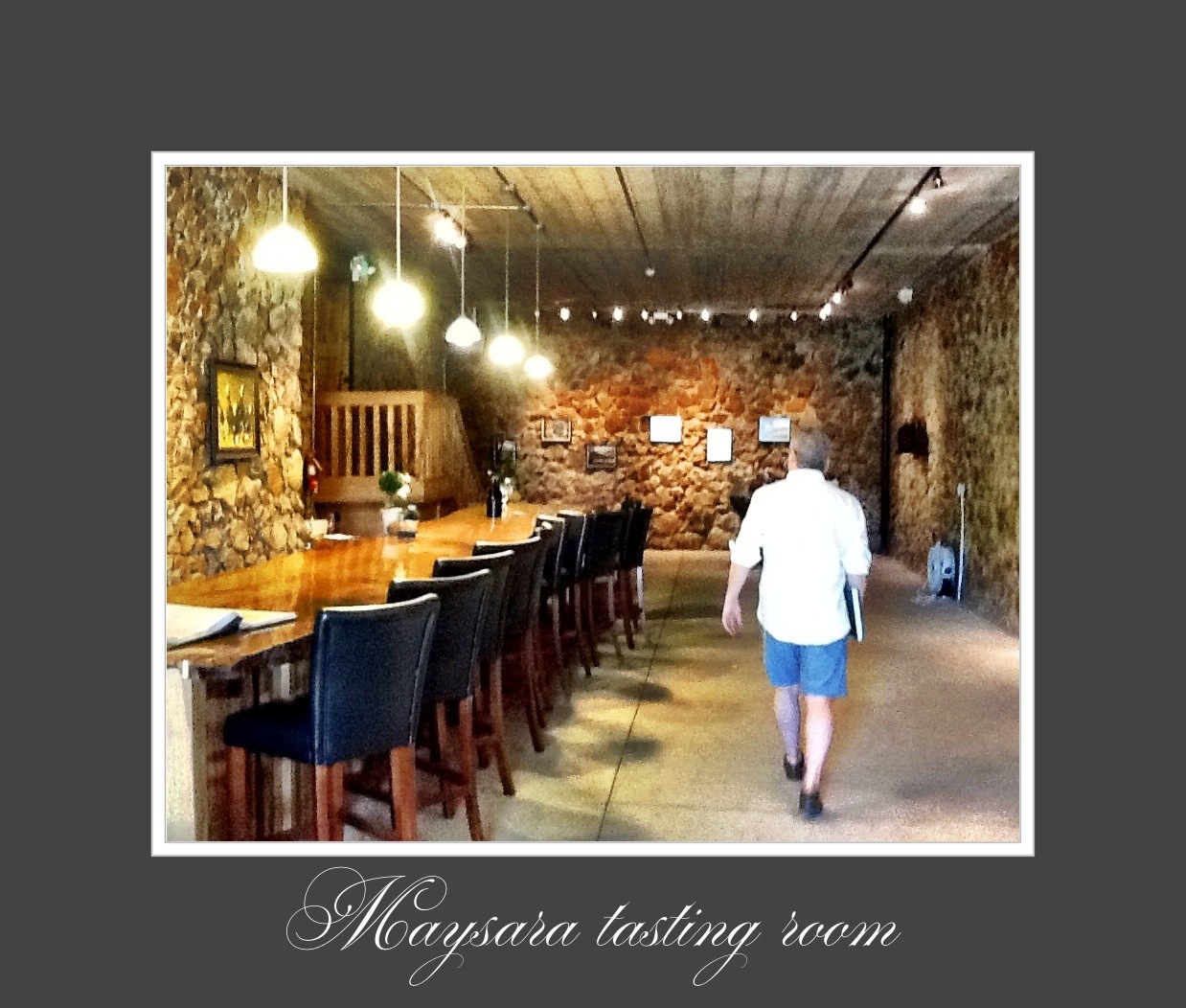
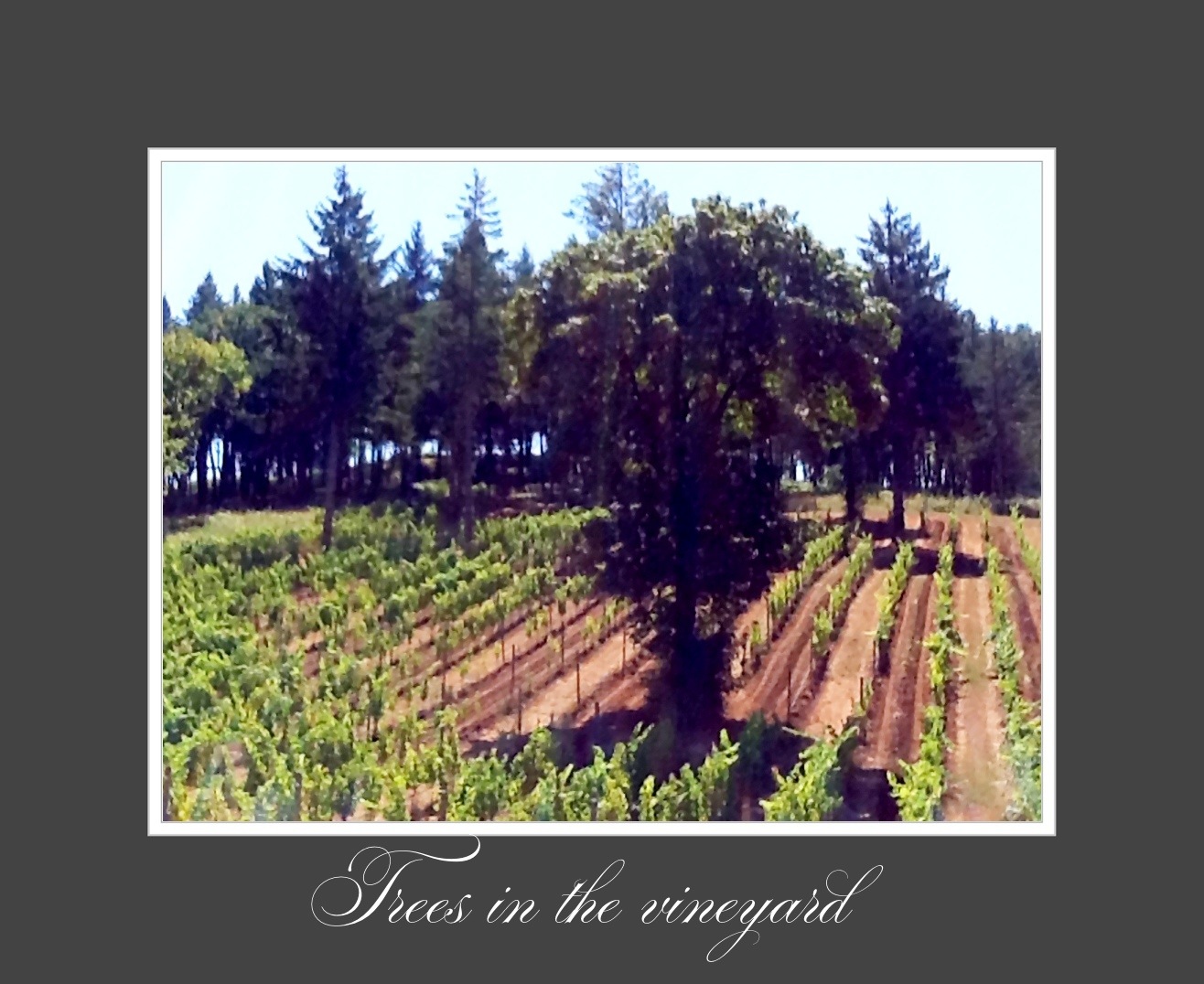
They are finishing up some parts including the underground tasting room and then intend to turn their attention to developing the main gate. That’s a good thing as we whipped right by the first time around and we weren’t sure we were in the right place until we passed the oak grove and rounded a corner to come face to face with the imposing building. Initially google maps had us driving up over the back fields and through the vineyards (don’t worry, Hanna’s on it).

Our introduction continued over a passionate conversation with Hanna. There are only 7 wineries in the tiny McMinnville AVA and the sole reason we’d learned about this one is because it’s mentioned, not once in mere passing, but over two full paragraphs by Jancis Robinson and Linda Murphy in their February 2013 book, American Wine (http://www.jancisrobinson.com/articles/books.html). There they are – on page 152. And again as ‘steady hands’ on page 149.

But, imagine this! Having your family’s personal story documented, your wines touted and your commitment to biodynamic practices lauded – yet not even know you’re in ‘The Book’.

The mind boggles. How is it possible?

When it became apparent to us that a) neither Hanna, Amy nor Moe knew Maysara had been included in this tome and b) they hadn’t heard of American Wine or either of its illustrious authors, the way we explained it was like this.

‘Look, Jancis Robinson is to international wine writing what Mick Jagger is to rock and roll, or what Wayne Gretzky is to hockey. If she has deigned to mention you, let’s just say you’re doing, um… rather well.’

They got it, even with the Canadiana thrown in there.

We tried everything available at the tasting room that day and purchased a Cyrus Pinot Noir (the Cyrus usually ranks 91 with Wine Advocate and their 2009 earned a 94 from Wine Spectator). We also picked up this light and fun Roseena Rosé to spirit across the border.

Clear and bright, pale salmon with light legs, on the nose it’s clear and youthful with medium minus intense aromas of rhubarb and green strawberry. The palate is dry with medium acidity and low tannin, medium minus alcohol and medium minus body. The medium intense flavours include more rhubarb alongside pomegranate, cranberry and more of that green strawberry with a slight touch of white pepper. It wraps up with a medium finish.

WSET ‘good’, it’s fun and light and went well with our steamed mussels, bread and cheeses.

We are already planning a return to McMinnville to see the progress of the building and front gate and to spend more time tasting and purchasing these wines.

Maysara is a winery with an inspiring story and a quality product to back themselves up with. Definitely it’s worth a stop while in the Willamette Valley.
20130814-224157.jpg

20130814-224342.jpg

20130814-224353.jpg

20130814-224403.jpg

20130814-224441.jpg

20130814-230938.jpg

Posted in Oregon, Pinot Noir, ROSE | 2 Comments

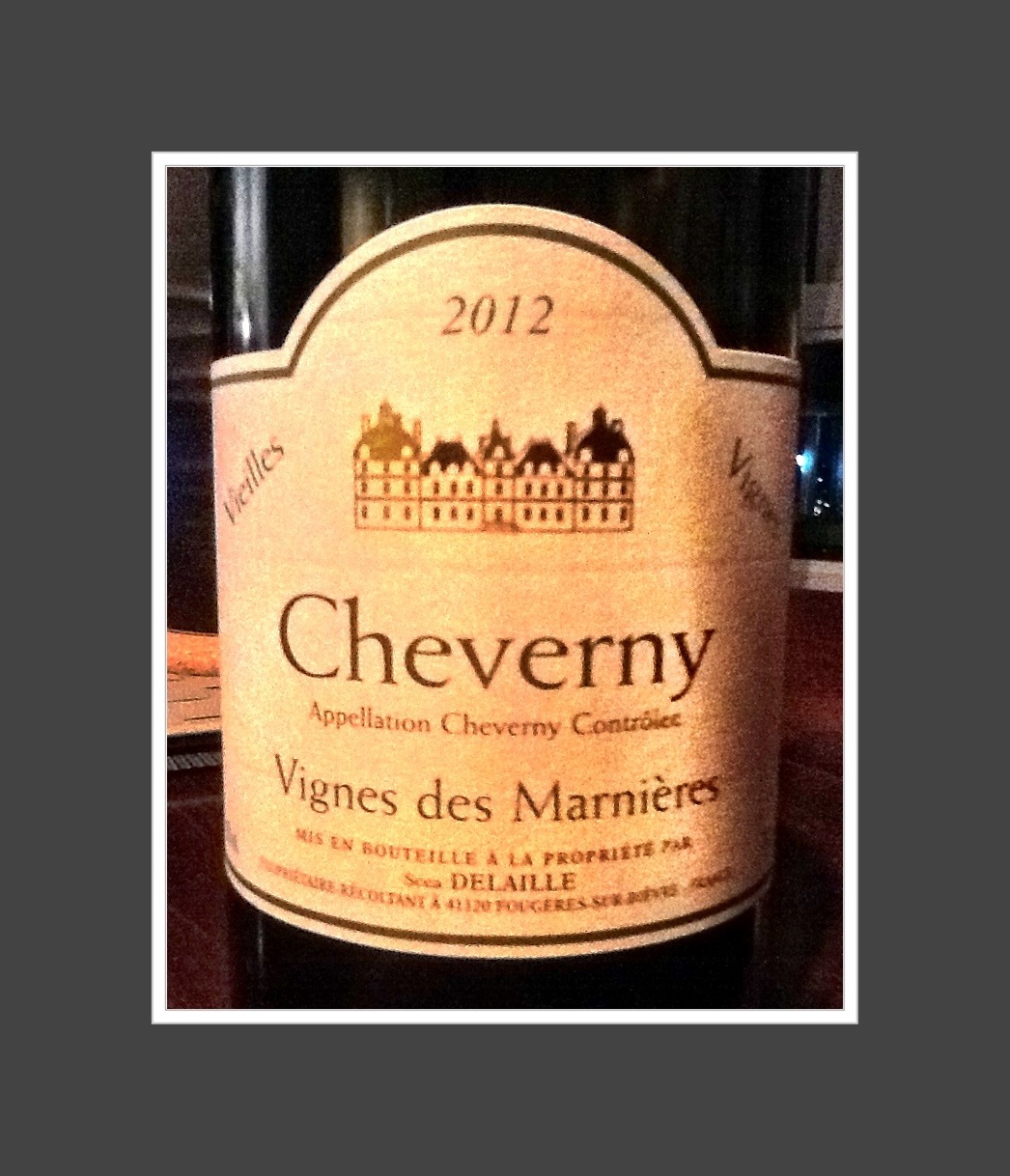
Sauvignon Blanc – Chardonnay, Vielles Vignes, Cheverny AoC, Vignes des Marnières, Loire Valley, France, 12%, 2012, 9 GBP @ Oddbins

This is what happens when you pop into an Oddbins with 5 minutes to spare prior to your train’s departure and ask ‘what is the most unusual and lowest priced wine you can pull for me?’

Oddbins, for those of us living on the other side of the Atlantic Ocean here in North America, is a UK-based wine and alcohol retail chain. The fellow minding the store immediately showed me this one – and singled it out because Cheverny AoC is unusual and allows Chardonnay mixed in with the Sauvignon Blanc.

Cheverny is located in the Loire Valley on the road between Tours and Orleans and is one of 24 communes in the Cheverny appellation where white, red, rosé and the odd sparkling wines are produced. The whites must be 60-80% Sauvignon Blanc, but the remaining blend may be either Arbois, Chardonnay or Pinot Blanc. This particular wine is an 85% Sauvignon Blanc / 15% Chardonnay blend.

Cheverny AoC reds are based on Gamay (40-65%) and are blended with Pinot Noir, Cabernet France or Côt. And when you pull out a rosé, you can count on any of those red varietals along with the possibility of Pineau d’Aunis, aka Chenin Noir. So, this appellation is a little unusual, to be sure.

Clear and bright, this wine is a pale lemon-green with light legs. On the nose, it was clean with a youthful and pronounced intensity of stones, gooseberry, citrus and green grass.

The palate was dry with high acidity, medium minus alcohol and a pronounced flavour intensity of gooseberry, apricot and white peach, Meyer lemon zest and Bergamot lime with yellow grapefruit and freshly mown grass. The finish was medium.

The wine surprised us a little with its ‘new worldliness’. We just didn’t expect it to be so full of gooseberry, grass and citrus. That said, the addition of the Chardonnay and the accompanying citrus tones was an interesting and welcome addition.

The wine was very acidic but the addition of some fresh Saltspring Island goat cheese with basil and olive oil tempered it and we enjoyed this WSET Good wine with steamed mussels as well.

20130814-221942.jpg

Posted in Chardonnay, France, Sauvignon Blanc, WHITE | Tagged , , , , , , , , | Leave a comment