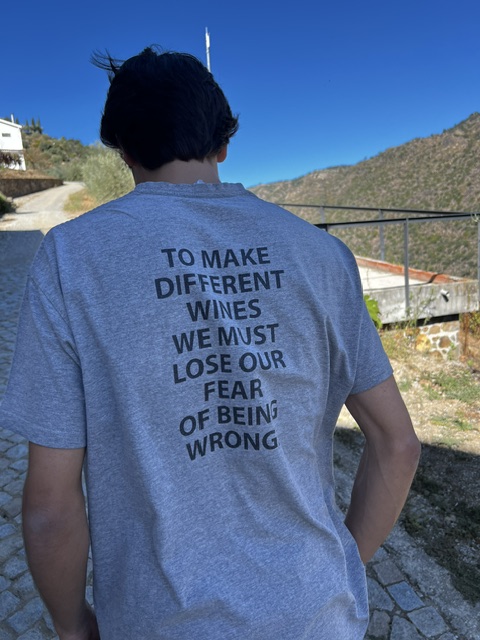
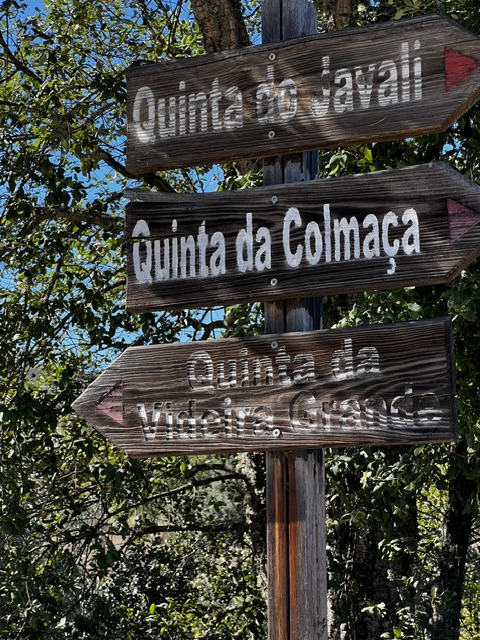
 The description of Quinta do Javali (Wild Boar Winery) was straightforward, “You will escape the tour buses completely here.”
It’s difficult to convey how accurate that was. As we drove closer and closer to Quinta do Javali, the road narrowed from two lanes on a steeply terraced asphalt road, to one country lane, to a boulder strewn path which threatened to blow out our rental’s tires.
No tour buses were getting in here – and no tow trucks either.
This is Quinta do Javali, a pioneer in organic viticulture and biodynamic principles in a region where conventional farming dominates due to the harsh and steep terrain.
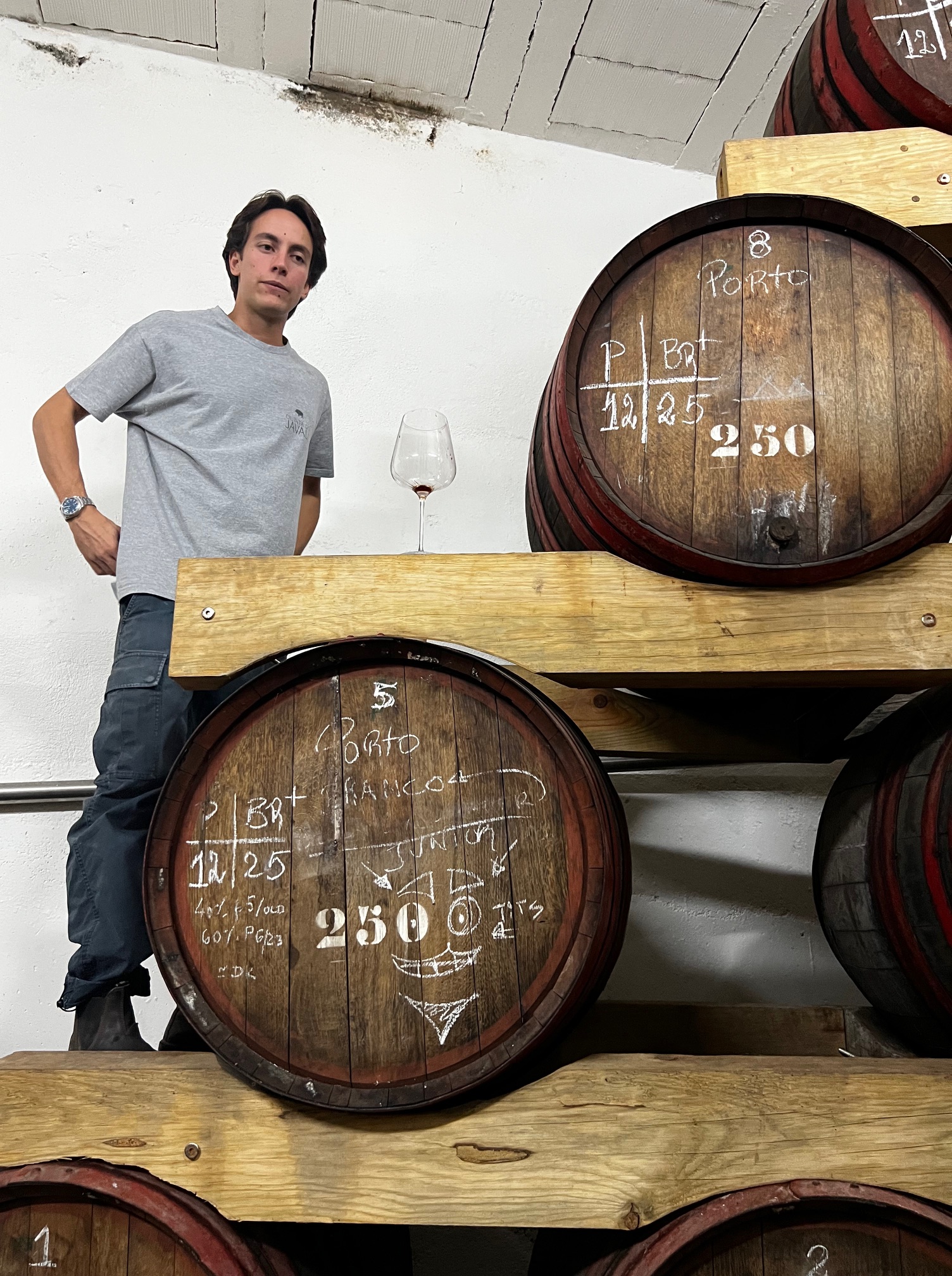 Antonio Mendez greeted us. At only 27, he is the third generation of their family working and living here. His father still steers their Port program, and mom takes care of the 1,000 bottles of olive oil each year. His maternal grandfather, the founder of Javali, died 3 years ago, but lived to see their success.
Since 2023, Antonio has made the still wines. He also has a project with a friend north of the Douro. But this is where he spends most of his time when he’s not 2 hours away in Porto.
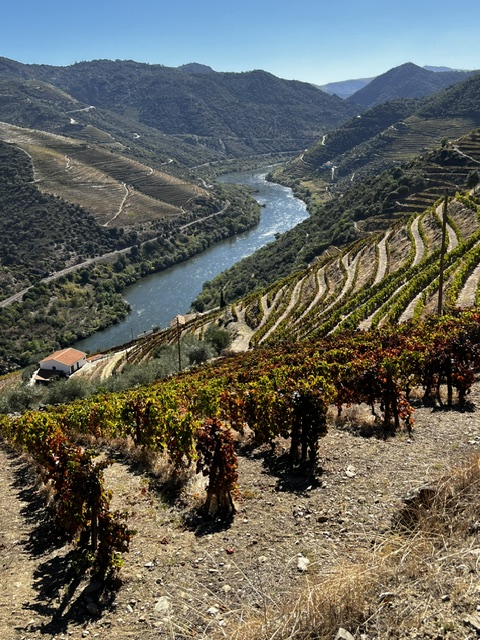
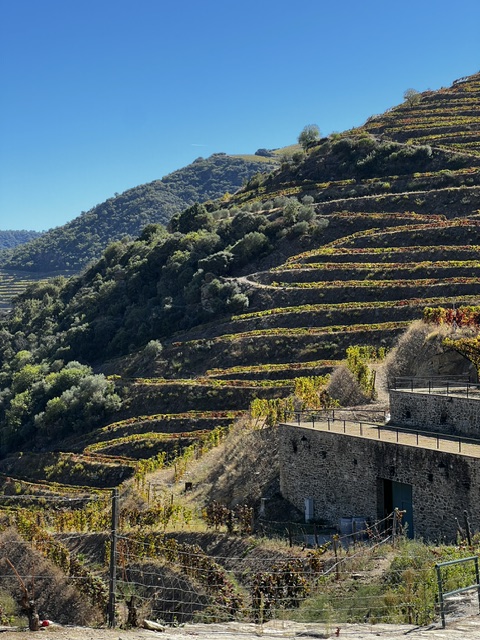
We drove from Porto that morning through the valley which we gasped at with each new vista. How many hundreds of thousands of rocks were placed into terraces by hand over the course of time? This is the world’s oldest demarcated wine region – and possibly the most stunningly beautiful. The Quinta’s farmhouse has a stone in their doorway chiseled with 1839 to prove its provenance.
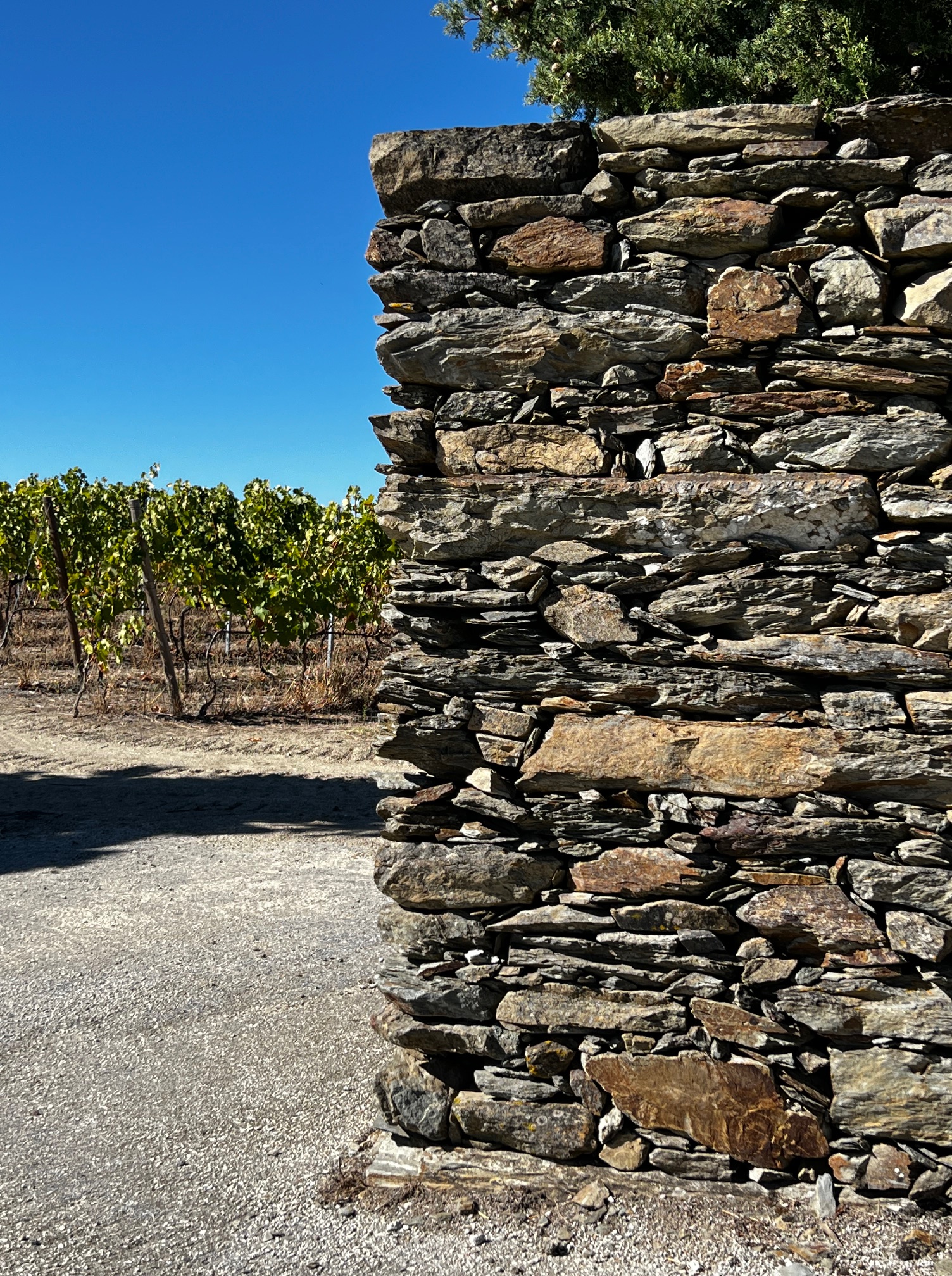
Unless you have a brand new vineyard excavated at the top of a hillside by bulldozers (and few do), you’re working with ancient solcacos, terraces that reject conventional farming techniques and allow horse and hand work only.
And of course, this is Portugal, so there are hills involved. Lots of steep hills. To work these hills requires a lot of effort. Quinta do Javali employs 12 people here with 4 being permanent.
Antonio estimates they receive about 2-3 visits per month – you have to be intrepid to find them, get here, and coax your car down the rock strewn dirt road.
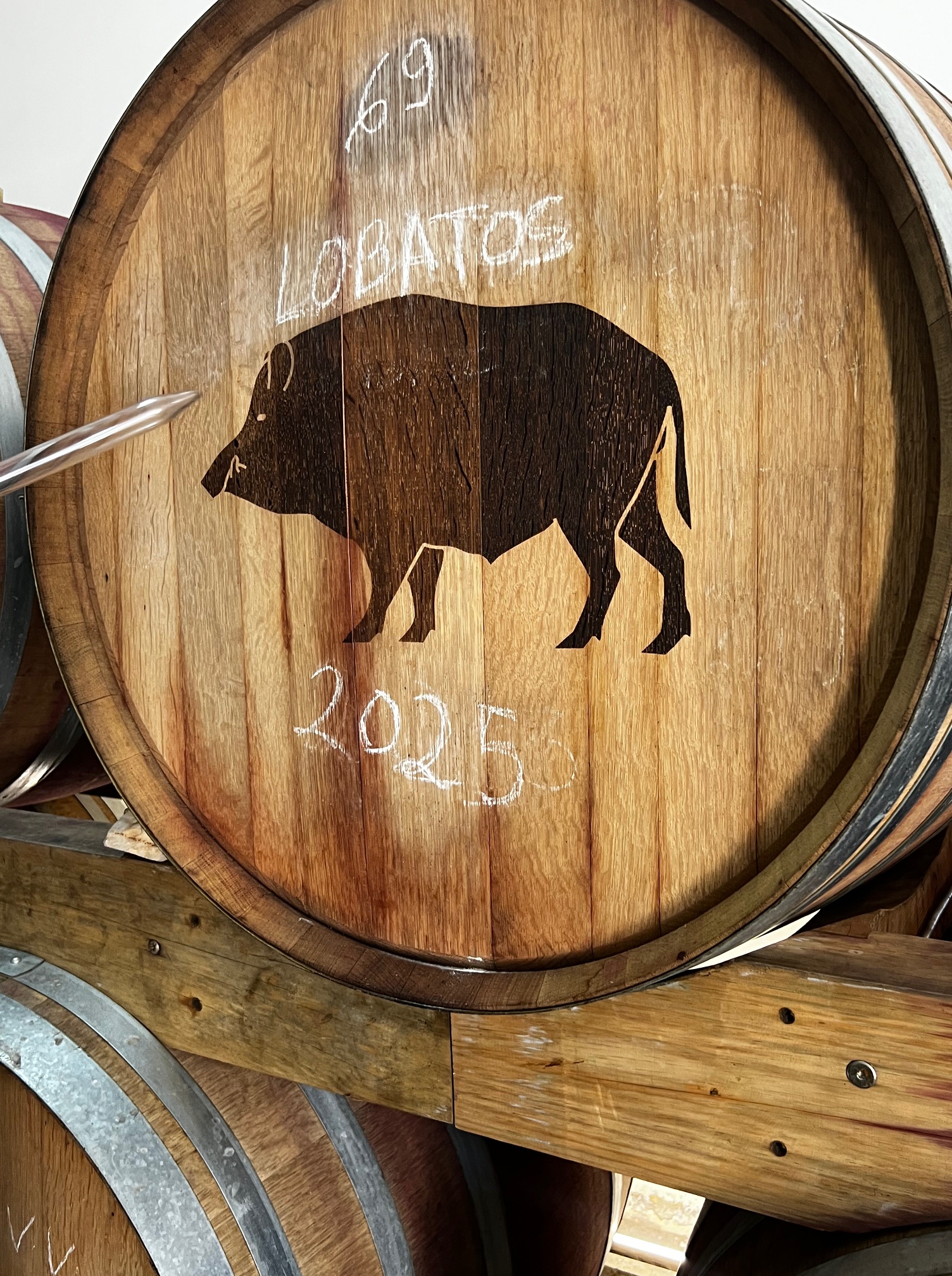 But if you do, the reward is well worth it. Antonio is an engaging host, the wines are fascinating, low-intervention,
 character-driven field blends, and the Ports are highly complex, and tension-filled. They bottle about 40,000 still wines annually, and put aside 30,000 litres of wine to age for the Ports.
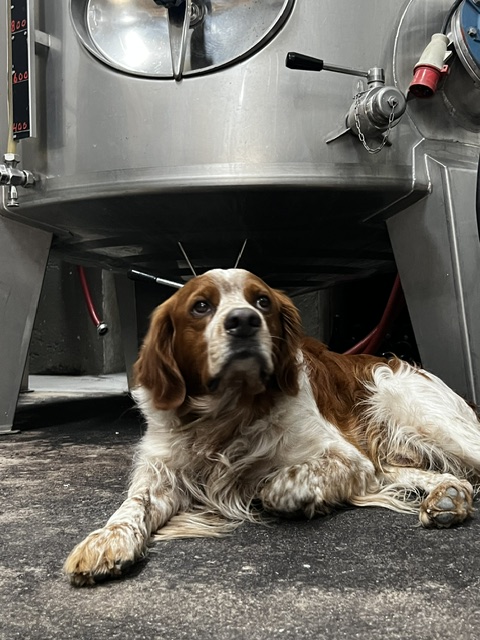
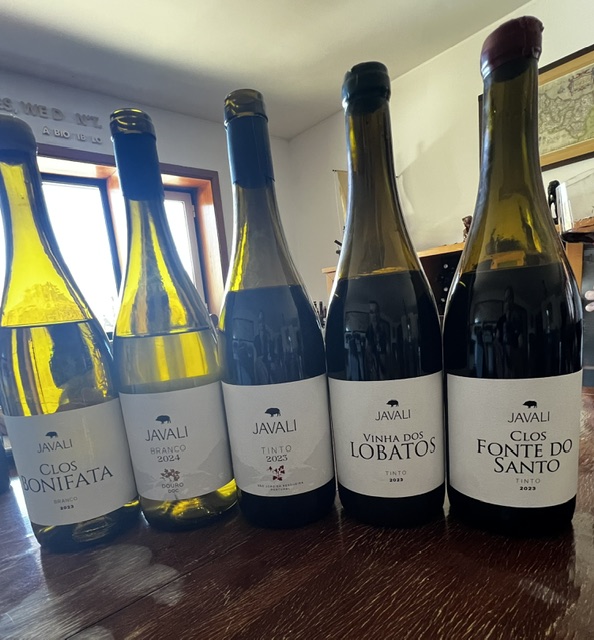 We tasted with Antonio and his dog Cacao in the cellars and in the tasting room. The still whites are zippy, Roche pear
 and stone fruit laden beauties, while the reds dominate with purple fruit, black pepper and minerality. All are exceptional field blends. The Branco 2023 Clos Bonifata was my favourite, as well as the Tinto 2023 Clos Fonte do Santo.
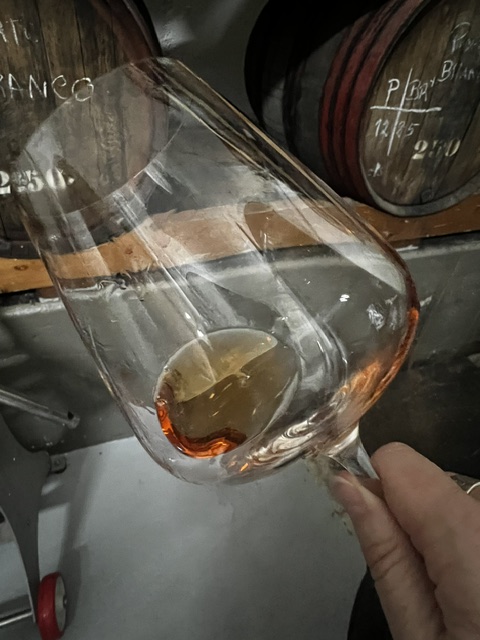 The Ports were complex and developed. We tasted 10, 20 and 30 years, but the 20 year old proved to be the most compelling and balanced with its deep brown colour, aromas and flavours of maple syrup and brown sugar, dried, ripened figs, dark mocha and Christmas pudding. With high acidity and not cloying in the least, its finish is long and luscious.
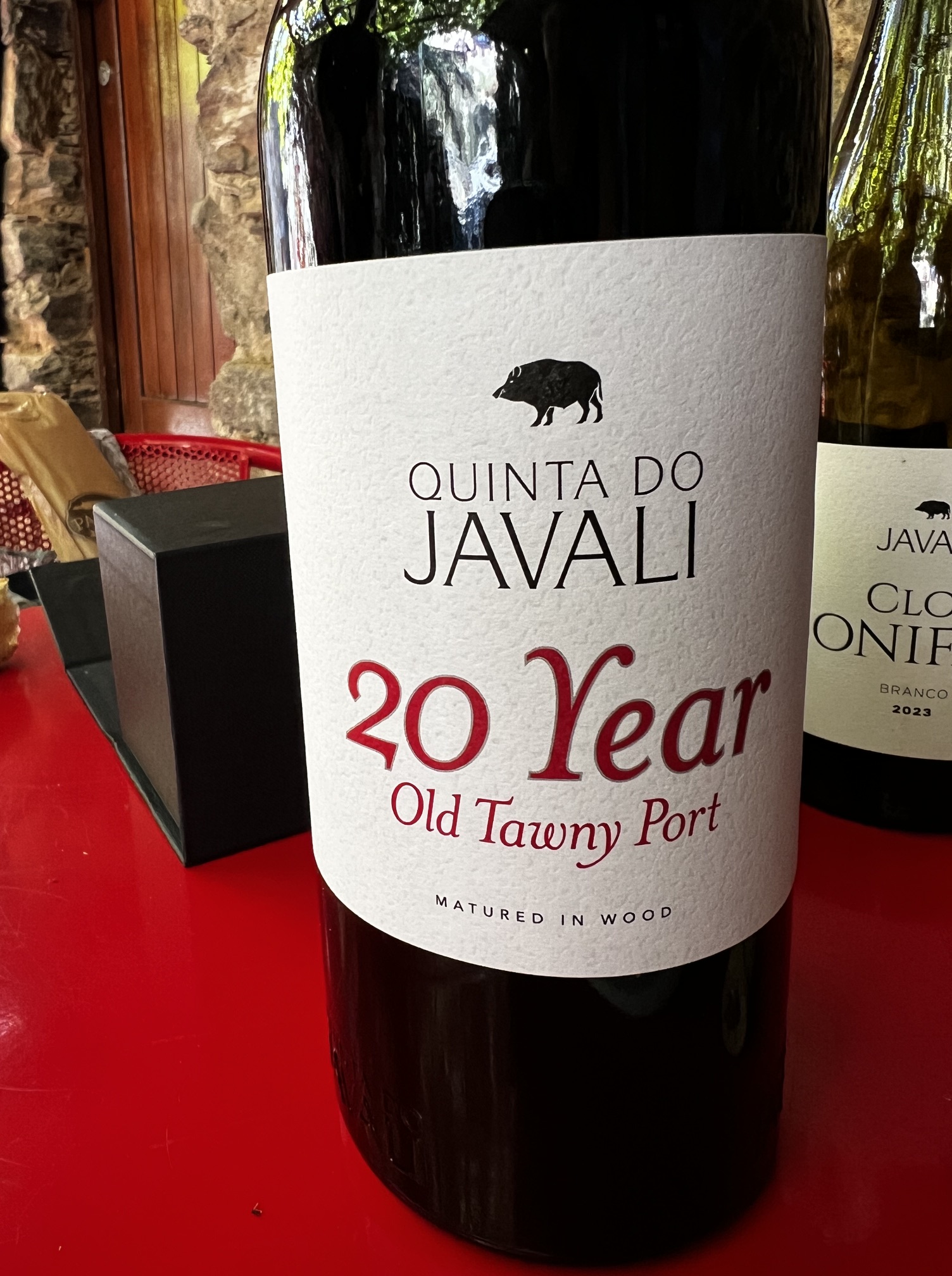
This bottle came home with me (another tedious, checked luggage story). If you find any of their products in your market, rush to purchase them. They distribute across Europe, the USA, Japan, Brazil, the UK and in the Canadian provinces of Ontario and Quebec (BC, can you please get it together!?).
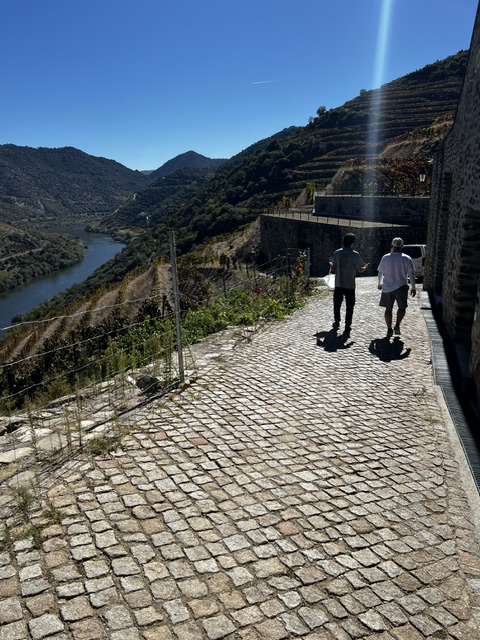 Personal and boutique, making character-driven and low-intervention wines, this is the ultimate in petite, family-owned wineries. If you’re going to make the effort to visit the Douro Valley, contact Antonio Mendez, buck up, and drive yourself to Quinta do Javali.
You will not regret it.